Introduction
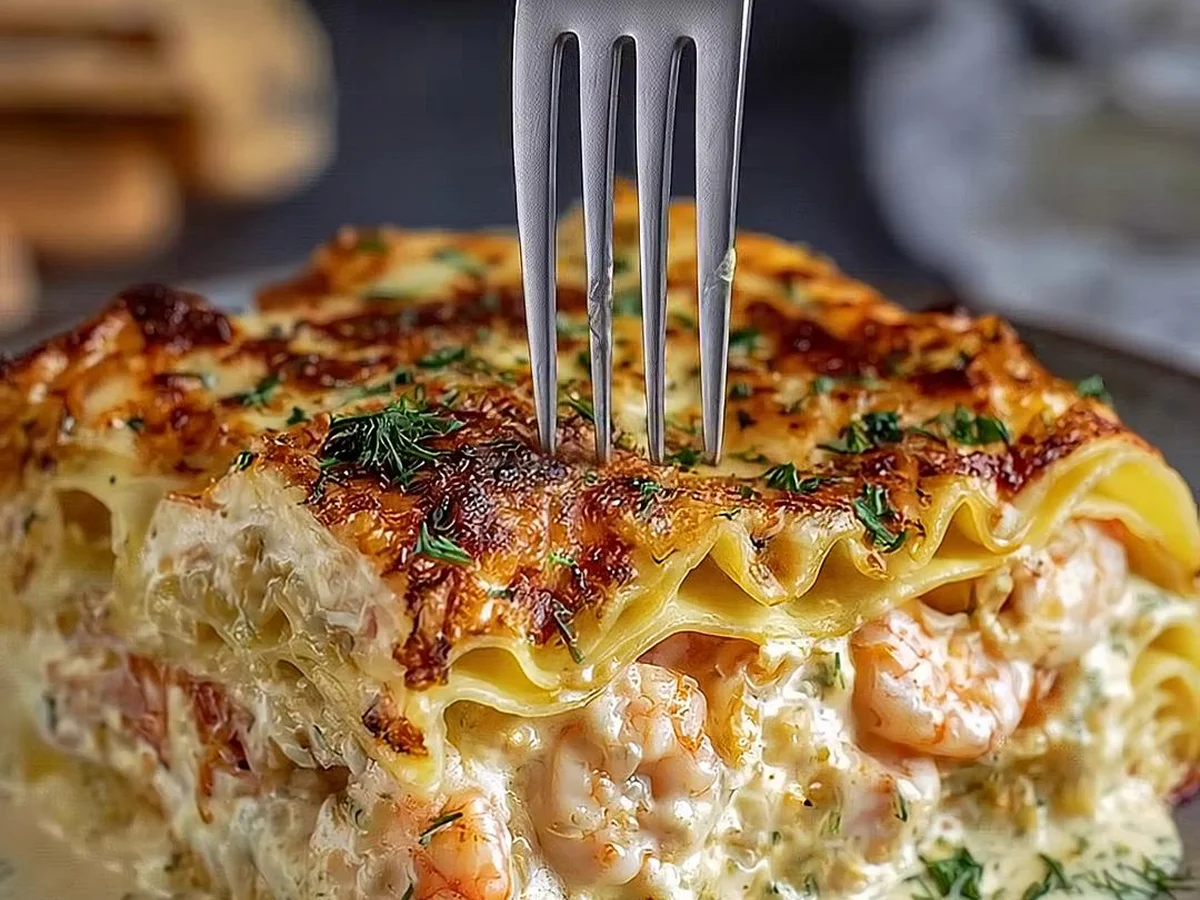
There’s something extraordinarily comforting about a bubbling, cheesy dish of Seafood Lasagna. Picture succulent shrimp and tender fish nestled between layers of soft, creamy lasagna sheets, all coming together in a symphony of flavors that excite the senses. As the dish bakes, the savory aroma wafts through the kitchen, beckoning everyone to the table. Each mouthful is a delightful experience, providing an enticing blend of textures and the sweet, briny essence of the ocean, perfectly complemented by the richness of the cheese and the acidity from the tomatoes. Seafood lasagna is not just a dish; it’s an emotional experience that resonates with many—it’s a feast, a culinary celebration, and a nostalgic dream rolled into one. Whether you are enjoying a quiet dinner for two or serving a crowd at a festive gathering, seafood lasagna provides universal appeal and undeniable satisfaction, making it a beloved comfort food across the globe.
The Origins and History
The history of lasagna dates back to ancient Greece and Rome, where layers of pasta were combined with meats and sauces. The term “lasagna” itself is believed to come from the Greek word “lazania,” referring to a chamber pot that replicates the layered structure of the dish. Although traditionally made with rich meats and robust tomato ragus, lasagna has evolved into various regional interpretations, including this delightful seafood version that merges the culinary worlds of coastal Italy with modern sensibilities. This dish can be seen as a reflection of the Mediterranean lifestyle—emphasizing fresh ingredients, simplicity, and an appreciation of the bounty of the sea. In regions like Naples, where seafood is plentiful, the adaptation of lasagna to include an array of fresh fish illustrates how local ingredients shape traditional recipes, transforming a classic comfort food into a vibrant and diverse experience for all who enjoy it.
Why You Will Absolutely Love This Recipe
- Irresistible Flavors: The combination of shrimp, fish, and aromatic garlic melds perfectly with the rich tomato base, creating a seafood profile that is both fresh and hearty.
- Ease of Preparation: With straightforward steps and minimal hands-on time, this seafood lasagna is accessible to both beginner and seasoned cooks.
- Crowd-Pleasing: Perfect for occasions, gatherings, or an intimate dinner, this dish is sure to impress guests and family alike, offering something delightful for seafood lovers.
- Leftover Wonder: If you’re fortunate enough to have leftovers, they reheat beautifully, allowing you to enjoy the flavors again without sacrificing taste or texture.
- Healthier Comfort Food: Seafood is a lean source of protein and is often lower in calories compared to red meats, making this lasagna a lighter take on traditional recipes.
Deep Dive into the Ingredients
When crafting an exquisite seafood lasagna, each ingredient plays a pivotal role in creating the masterpiece. Let’s explore the primary components:
- Lasagna Sheets: We recommend using high-quality, no-boil lasagna sheets. These absorb the flavors of the sauce during baking and give the dish a seamless, hearty layer that holds everything together.
- Shrimp: Succulent and sweet, shrimp adds a tender contrast to the firmer fish pieces. Opt for wild-caught shrimp for better flavor and sustainability; they also bring a touch of coastal freshness.
- Fish Chunks (e.g., Cod or Haddock): Firm, white fish like cod or haddock holds up well during baking, offering a flaky texture that complements the other seafood. You could also consider alternatives like salmon for a richer flavor or a blend of different types of fish for added complexity.
- Olive Oil: Extra virgin olive oil is crucial for sautéing aromatics. It infuses dishes with a subtle fruity richness that enhances every bite.
- Onion and Garlic: These aromatics form the flavor base of the sauce. Sautéing them until golden develops a sweet, savory foundation that underpins the seafood notes.
- Canned Diced Tomatoes: They provide a vibrant acidity and moisture, crucial for balancing the richness of the cheese and seafood. Opt for quality brands that contain no added sugar or preservatives for the best flavor.
Substitutions are possible, too. For those opting for a vegetarian version, you can swap seafood for grilled vegetables such as zucchini or eggplant, and for a creamy element, consider adding béchamel sauce for an even deeper, velvety layer.
Pro Tips for Perfect Results
To achieve perfection in your seafood lasagna, consider the following tips:
- Cook Pasta Al Dente: If using traditional lasagna sheets, ensure they are cooked until just firm before layering. This prevents them from becoming mushy during the baking process.
- Sear the Seafood: Lightly sauté the shrimp and fish before mixing them into the sauce. This step not only enhances the flavors but also locks in moisture, preventing the seafood from overcooking in the oven.
- Emulsify the Sauce: When combining the canned tomatoes with sautéed aromatics, allow the mixture to simmer. This helps in blending flavors while maintaining a sauce consistency that holds up well in layers.
- Layer Strategically: Alternate layers with lasagna sheets, seafood, sauce, and cheese, ensuring even distribution. For cheese, consider a mixture of mozzarella and ricotta for creaminess and stretch.
Serving and Pairing Suggestions
Seafood lasagna shines at the center of any dining table, and to elevate the experience further, consider serving it with a simple side salad of mixed greens drizzled with lemon vinaigrette. A crisp, chilled white wine like Pinot Grigio or a light-bodied red will beautifully complement the dish. Special occasions, gatherings, or family dinners are all perfect opportunities to serve this rich and flavorful experience.
Storage, Freezing, and Reheating
Should you find yourself with leftovers (a delightful situation!), allow the lasagna to cool completely before refrigerating it, where it can last for up to three days. To freeze, wrap individual portions tightly in plastic wrap and store in an airtight container for up to three months. When it comes time to enjoy it again, reheat the lasagna in the oven at a low temperature until warmed through, ensuring to cover it with foil to keep moisture locked in.
Frequently Asked Questions (FAQ)
- Can I make seafood lasagna ahead of time? Absolutely! You can assemble the lasagna a day in advance and bake it just before serving. This allows the flavors to marry beautifully.
- Can I use frozen seafood? Yes, frozen seafood works well. Just make sure to thaw them completely and pat them dry to avoid excess moisture in the dish.
- What cheese works best for seafood lasagna? A combination of mozzarella for meltiness and ricotta for creaminess creates a delightful texture contrast. Adding Parmesan brings a nice umami kick.
- Can I add extra veggies? Certainly! Spinach, mushrooms, or even artichokes can all be wonderful additions, enhancing both flavor and nutritional value.
Conclusion
Seafood lasagna is more than just a meal; it’s a celebration of flavor, creativity, and community. With the right ingredients and a bit of love, this dish can be the centerpiece of any gathering, transporting you and your guests on a culinary journey right to the heart of the Mediterranean. Try this recipe, and experience the magic for yourself!
The History of This Recipe
Seafood lasagna originated from the coastal regions of Italy, where the abundance of fresh seafood influenced local cuisine. Traditionally, chefs combined layers of pasta with a rich, creamy sauce and a bounty of marine delicacies like shrimp, scallops, and fish.
As Italian immigrants settled in various parts of the world, they brought this delectable dish with them, adapting it to local ingredients and preferences. In places like America, seafood lasagna transformed into a comforting favorite, often featuring a blend of cheeses and herb-infused sauces.
Today, seafood lasagna symbolizes the fusion of land and sea, showcasing the artistry of Italian cooking while embracing global flavors. Its creamy layers and savory seafood continue to delight taste buds, making it a cherished dish in many households.
Seafood Lasagna
INGREDIENTS
- 250 g lasagna sheets
- 200 g shrimp, peeled and deveined
- 200 g fish chunks (such as cod or haddock)
- 1 tablespoon olive oil
- 1 medium onion, finely chopped
- 2 cloves garlic, minced
- 400 g canned diced tomatoes
INSTRUCTIONS
Preheat the oven to 180°C (350°F).
In a large skillet, heat the olive oil over medium heat. Add the chopped onion and minced garlic, and sauté until they are translucent and fragrant.
Add the shrimp and fish chunks to the skillet. Cook for about 5 minutes until they are just opaque. Season with salt, pepper, oregano, and basil.
Stir in the canned diced tomatoes and let it simmer for another 5 minutes. Remove from heat and set aside.
In a mixing bowl, combine the ricotta cheese, half of the grated Parmesan cheese, and a pinch of salt and pepper. Mix well until creamy.
In a baking dish, spread a thin layer of the seafood mixture on the bottom, followed by a layer of lasagna sheets.
Spread some of the ricotta mixture on top of the lasagna sheets, followed by a layer of grated mozzarella cheese. Repeat the layering process until you run out of ingredients, finishing with a layer of seafood mixture.
Top the final layer with the remaining mozzarella cheese and the rest of the Parmesan cheese.
Cover the baking dish with aluminum foil and bake in the preheated oven for 25 minutes. Remove the foil and bake for an additional 15 minutes or until the top is golden and bubbly.
Once cooked, let the lasagna rest for about 10 minutes before slicing. Garnish with fresh parsley and serve hot.
Time & Calories
Preparation time: 20 minutes
Cooking time: 40 minutes
Total time: 60 minutes
Approximate calories per serving: 450 calories (serves 6)
NOTES
Enjoy your delicious homemade Seafood Lasagna !