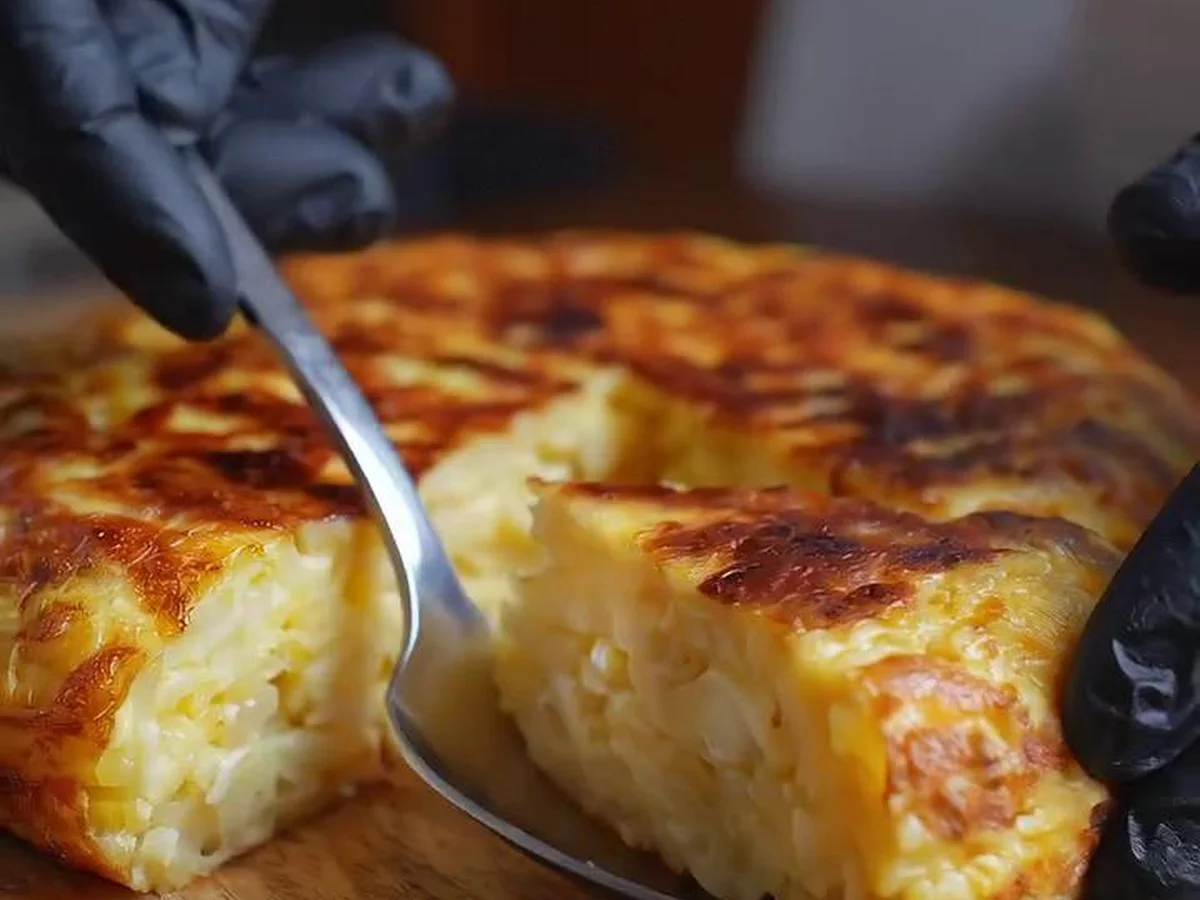
Imagine stepping into a bustling Spanish kitchen, where the enticing aroma of sizzling potatoes and onions dances through the air, enveloping you in warmth and comfort. As the golden batter of freshly whisked eggs begins to envelop these humble ingredients, the anticipation builds for that first bite of a Spanish omelette, or “Tortilla Española.” This renowned dish has been delighting palates for centuries, serving as a beloved staple across the Iberian Peninsula and capturing the hearts of food enthusiasts worldwide. With its simple yet satisfying combination of ingredients, the Spanish omelette transcends its modest origins, becoming a culinary symbol of home-cooked goodness.
The magic lies in the gorgeous contrast of textures—the soft, tender potatoes meld with the rich, fluffy eggs, all while kissed with a hint of salt and the fragrant notes of olive oil. Whether it’s the centerpiece of a leisurely brunch, a quick weeknight dinner, or a delightful tapas spread, this dish never fails to evoke a sense of nostalgia and comfort. Join me on a flavorful journey through the history, preparation, and enjoyment of the Spanish omelette, a dish that is as approachable as it is deeply satisfying.
The Origins and History
The Spanish omelette, or Tortilla Española, traces its roots back to the early 19th century in Spain, though its exact origins are a bit murky and steeped in folklore. Likely influenced by the agricultural practices of the time, regions with robust potato crops adopted this dish as a nutritious staple for families. The first documented recipe appeared in the mid-1800s, credited to the province of Navarra, where the egg and potato combination became a source of sustenance for both peasants and nobility alike. The dish may have evolved from earlier preparations of egg dishes or the French omelette, showcasing its ability to adapt and thrive in diverse culinary settings.
Over the years, the Spanish omelette has gained immense popularity not just in Spain but also beyond its borders. Assorted variations emerged, incorporating various ingredients like peppers, chorizo, or cheese. Yet, the simplicity of the traditional recipe remains beloved for its purity and nostalgia. Today, the dish is often used as a marker of Spanish identity and culinary prowess—part of the cultural fabric that is as recognizable as paella or tapas, starring in both casual meals and grand celebrations alike.
Why You Will Absolutely Love This Recipe
- Flavor Profile: The slightly nutty flavor of potatoes combined with the rich, unctuous taste of eggs makes this omelette a savory delight.
- Ease of Preparation: With minimal effort and time, you can prepare a dish that impresses with both taste and aesthetics.
- Crowd-Pleaser: Perfect for any occasion, from family gatherings to dinner parties, it fits easily into brunch spreads or tapas evenings.
- Leftovers Galore: It tastes incredible both hot and cold, making it perfect for meal prep, quick snacks, or a brunch-for-dinner scenario.
Deep Dive into the Ingredients
The beauty of the Spanish omelette lies in its simple yet impactful ingredients, with each contributing to the overall flavor and texture. Let’s go through the essential components:
- Eggs: The backbone of the dish, large eggs provide rich flavor and a luxurious, custardy texture when cooked properly. Fresh, high-quality eggs will yield the best results, as they impart the dish with a pleasant, vibrant color and taste.
- Potatoes: The choice of potatoes is paramount. Starchy varieties like Russet or Yukon Gold are preferred since they break down and absorb flavor during cooking without becoming too mushy. Their natural sweetness complements the eggs perfectly.
- Onion (optional): While traditionalists may argue for a no-onion approach, adding a large onion can introduce a layer of sweetness and depth to the omelette. Yellow or sweet onions are best here, finely sliced, and caramelized to bring out their natural sugars.
- Salt: A crucial element, salt elevates this dish by enhancing the other flavors. It’s essential to season throughout the cooking process to build a well-rounded flavor profile.
- Olive Oil: A quintessential Spanish ingredient, good-quality olive oil is essential not just for frying but also for adding rich flavor. It creates a deliciously crisp exterior while keeping the interior soft and velvety.
While these ingredients form the foundation of a classic Spanish omelette, don’t hesitate to experiment. You can substitute the potatoes with other vegetables like sweet potatoes or zucchini, or experiment with add-ins like spinach, bell peppers, or even cheese to create variations that suit your taste preference.
Pro Tips for Perfect Results
To master the art of making a Spanish omelette, consider the following expert tips:
- Cut Potatoes Uniformly: Chop the potatoes into even-sized pieces (usually about ¼ inch thick) to ensure even cooking. This helps achieve a harmonious blend of textures between the soft potatoes and fluffy eggs.
- Temperature Control: Cook the potatoes over medium heat initially. This allows them to become tender without browning too quickly. Once tender, you can lower the heat slightly to avoid burning.
- Be Generous with Oil: The oil not only helps in cooking but also ensures that the omelette gets a beautifully golden, crisp exterior. Don’t skimp on the olive oil!
- Flipping Technique: When it’s time to flip, use a large plate or lid to safely turn the omelette. Allow it to rest before flipping, ensuring that it’s set enough to come together without breaking apart.
- Rest Before Serving: Letting the omelette rest for a few minutes after cooking helps integrate the flavors and makes it easier to slice. Enjoying it warm or at room temperature is equally delightful.
Serving and Pairing Suggestions
The Spanish omelette is deliciously versatile. Serve it by itself as a satisfying main dish, or slice it into wedges for an impressive tapas-style appetizer. Pair it with fresh crusty bread and a simple green salad for lunch, or enjoy it with a side of marinated olives at a casual gathering. Drinks like a crisp, dry white wine or a refreshing sangria beautifully complement the richness of the omelette. It’s a versatile dish that thrives in various settings!
Storage, Freezing, and Reheating
If you find yourself with leftovers (which is a delightful problem to have!), let the omelette cool completely before transferring it to an airtight container. It can be stored in the refrigerator for up to 3-4 days. For longer storage, slice it into individual portions and freeze it for up to 2 months. Reheat in the oven, microwave, or on the stovetop over low heat to preserve its texture and flavor. A quick reheat in a skillet with a splash of olive oil enhances taste and prevents it from drying out.
Frequently Asked Questions (FAQ)
- Can I make the Spanish omelette ahead of time? Yes! It tastes almost better the next day as the flavors meld. Make it a day ahead, refrigerate, and serve cold or at room temperature.
- Is the Spanish omelette gluten-free? Absolutely! This recipe is naturally gluten-free, making it suitable for those with gluten sensitivities.
- Can I add other ingredients? Certainly! Feel free to add vegetables like bell peppers, spinach, or even meats like chorizo or ham to customize the dish to your liking.
- What’s the ideal thickness for the omelette? Traditionally, a Spanish omelette is about one inch thick. This thickness ensures a proper cook throughout without being overly dry.
- Is it good cold? Yes! It’s often served cold in Spain, making it an excellent option for picnics or packed lunches.
Conclusion
Cooking a Spanish omelette is not just about the ingredients; it’s a celebration of simplicity and rich flavors. With each bite, you embark on a culinary journey to Spain, experiencing comfort in its purest form. So grab your eggs, potatoes, and a touch of olive oil, and discover the happiness that a homemade Spanish omelette brings!
The History of This Recipe
The Spanish omelette, or tortilla Española, has roots tracing back to Spain in the 19th century. This simple yet hearty dish reflects the agricultural practices of the time, utilizing readily available ingredients like potatoes and eggs.
While its exact origins are debated, many believe that the dish was created as a filling meal for soldiers and workers. Its popularity spread rapidly, becoming a staple in homes and taverns across Spain.
Today, the Spanish omelette symbolizes communal life and hospitality, often served as a tapa in bars. Its versatility allows for endless variations, making it a beloved dish both in Spain and around the world.
Spanish Omelette
INGREDIENTS
- 6 large eggs
- 4 medium potatoes
- 1 large onion (optional)
- Salt, to taste
- Olive oil, for frying
INSTRUCTIONS
Begin by peeling the potatoes and slicing them thinly (about 1/8 inch thick) to ensure even cooking. If using, slice the onion thinly as well.
In a large non-stick skillet, heat a generous amount of olive oil over medium heat. Once hot, add the sliced potatoes (and onions if using). Make sure they are spread out evenly in the pan.
Cook the potatoes and onions gently, stirring occasionally. Cook until the potatoes are tender and slightly golden, about 20-25 minutes. Be careful not to burn them; you want them soft and cooked through.
Once cooked, drain the potatoes and onions in a colander to remove excess oil. Allow to cool for a few minutes.
In a large bowl, crack the eggs and whisk them lightly. Add salt to taste.
Once the potato and onion mixture has cooled slightly, add it to the bowl with the eggs and mix well to combine.
Using the same skillet, add a bit more olive oil (just enough to coat the bottom) and heat over medium heat.
Pour the egg, potato, and onion mixture into the skillet, spreading it evenly. Cook for about 5-6 minutes until the bottom is set and lightly golden.
To flip the omelette, place a large plate over the skillet and carefully invert the omelette onto the plate. Then slide it back into the skillet to cook the other side for another 5-6 minutes until fully set.
Once both sides are cooked and golden, slide the Spanish omelette onto a serving platter.
Let it cool for a few minutes before slicing into wedges. Serve warm or at room temperature.
Time & Calories
Total Time: 45 minutes
Calories per serving: Approximately 250 calories (based on 8 servings)
NOTES
Enjoy your delicious homemade Spanish Omelette !