Introduction
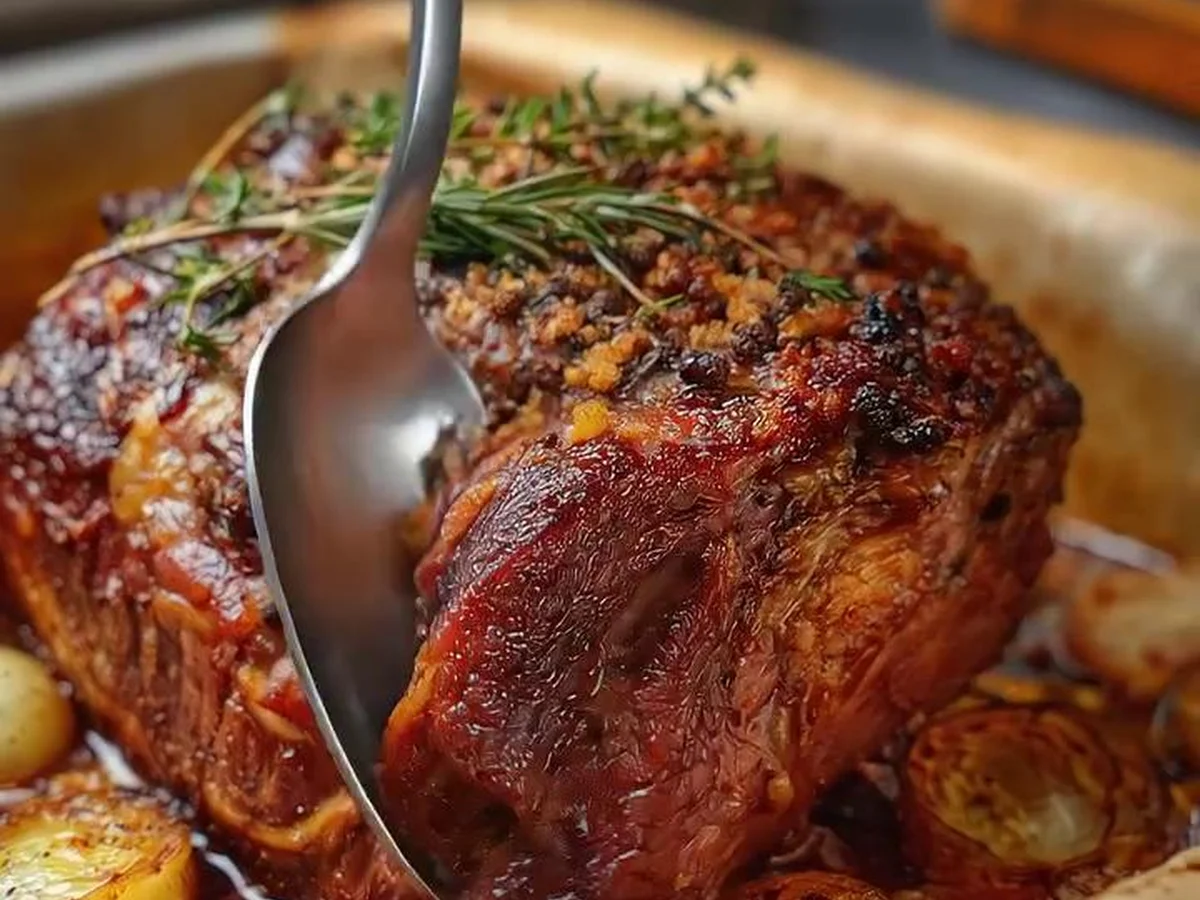
There’s something extraordinarily comforting about the hearty, robust flavor of a German-Style Beef Knuckle. This rustic dish invites you into a world where aromas of sautéing garlic and onions mingle with the rich, meaty scent of beef simmering slowly, coaxing the deepest flavors to surface. Imagine a steaming plate set before you, succulent pieces of beef falling tenderly apart, surrounded by tender, caramelized vegetables bathed in a rich broth. This dish embodies the spirit of cozy family gatherings, echoing the hospitality of German kitchens, where food is not just sustenance but a way to connect, gather, and share stories. The crackling of the oven, the soft bubbling of the stew on the stove, and the laughter around the table create memories that linger far longer than the last scraps of food consumed.
Whether enjoyed during festive occasions, chilly weeknights, or lazy Sunday dinners, the German-Style Beef Knuckle is a dish that brings warmth and satisfaction. Its significant portions and deep flavor will promise your loved ones a comforting embrace. Allow yourself to indulge in the slow-cooked, robust flavors that can only be achieved through time and care, and experience the kind of home-cooked magic that makes every bite a reminder of home.
The Origins and History
The origins of the Beef Knuckle can be traced back to the heartland of Germany, where hearty, wholesome food is a staple of the culture. Traditionally, this cut comes from the shoulder of the cow, a region known for its durability and rich taste, making it ideal for slow-cooking methods such as braising—a technique that draws out umami flavors while tenderizing the meat. Historical records suggest a diet heavily reliant on what could be locally sourced, including various cuts of meat, root vegetables, and seasonings from surrounding farms.
In its early days, the Beef Knuckle was often reserved for special occasions, where it would be cooked slowly over an open fire or in communal ovens common in rural villages and town squares. Traditionally served with hearty sauerkraut and bread, this dish represents more than just meal; it’s a symbol of shared experience and family togetherness within German culture. Over the years, this beloved staple has traveled far beyond its borders, assimilating into various global cuisines, yet retaining its essential properties: flavor, comfort, and authenticity.
Why You Will Absolutely Love This Recipe
- Flavor Profile: Exquisite depth due to slow cooking, creating a complex arrangement of savory notes.
- Ease of Preparation: This dish requires little hands-on time, giving you the freedom to go about your day.
- Crowd-Pleaser: Perfect for family gatherings or dinner parties, it caters to large appetites with minimal fuss.
- Perfect Leftovers: Flavors intensify on the second day, making it a perfect candidate for meal prep or winding down the week.
- Cost-Effective: Beef knuckle is an affordable cut that delivers maximum flavor with minimal impact on your budget.
Deep Dive into the Ingredients
The star of this dish is undoubtedly the beef knuckle, a flavorful yet economical cut of meat that benefits from low and slow cooking. Its marbling contributes to a rich interplay of flavors, making it melt-in-your-mouth tender when cooked properly. Not everyone may be familiar with this cut, as it has historically been overshadowed by more popular selections like ribeye or tenderloin. However, for those willing to explore, beef knuckle reveals its personality, acting as a vessel for deep, comforting flavors.
Next are the vegetables—garlic, onion, and carrots—each playing a crucial role. Garlic imparts a warm, aromatic foundation, which fills your kitchen with an inviting scent as it sautés. Onions contribute sweetness and complexity, their natural sugars caramelizing during cooking to provide layers of flavor. Carrots lend a pop of color and slight earthy sweetness, balancing the richness of the beef and enhancing the overall dish with a sense of well-rounded comfort.
The choice of cooking oil is equally significant; using vegetable oil ensures that the flavors of the ingredients shine through without interference from strong flavors such as olive oil, allowing your beef knuckle and its partners to rise to the occasion. For those wishing to personalize, alternatives like canola or grapeseed oil are great substitutes. Through this harmonious combination of ingredients, the dish tells a story rich with flavor, history, and love.
Pro Tips for Perfect Results
To achieve exceptional results with your German-Style Beef Knuckle, a few technical tips can elevate your cooking experience. First, do not rush the searing process. Browning the beef knuckle in hot oil until it’s beautifully caramelized not only enhances its flavor but also forms the base for your dish’s rich gravy. The fond—a delightful layer of browned bits at the bottom of your pot—should never be discarded, as it enriches your final sauce.
As you incorporate your vegetables, allow them to sweat and caramelize, building flavor along the way. Indeed, the more the cooking vessel heats up and incites browning, the more complex your tasting experience will be. To avoid a dry texture, be mindful of your cooking time—after searing, the knuckle benefits from being submerged in liquid and should be covered properly while simmering to allow steam to work its magic.
Finally, patience is key; don’t rush the cooking process. This dish excels with longer cooking times, which allows the meat to turn tender and the flavors to develop. After cooking, let it rest for a bit before serving—this allows juices to redistribute throughout the meat, ensuring that each slice is as flavorful and succulent as possible.
Serving and Pairing Suggestions
This German-Style Beef Knuckle pairs exceptionally well with rustic sides. Think creamy mashed potatoes or buttery spaetzle to soak up the delicious juices. A crisp, fresh cucumber salad with a tangy vinaigrette can provide a refreshing contrast to the richness of the stew, balancing the meal beautifully. Don’t forget to complement the dish with a German beer, like a Märzen or Weissbier, which not only enhances the experience but also pays homage to the origins of the meal.
Storage, Freezing, and Reheating
Leftover German-Style Beef Knuckle is a gift that keeps on giving! Store any uneaten portions in an airtight container in the refrigerator for up to 3-4 days. If you wish to keep it longer, this dish freezes incredibly well; portion out what you need into freezer-safe containers for up to three months. To reheat, simply thaw overnight in the fridge and then warm gently over low heat on the stove or in the oven, adding a splash of broth if necessary to maintain moisture.
Frequently Asked Questions (FAQ)
Can I use other cuts of beef? Yes! While beef knuckle is optimal, cuts like chuck roast or brisket can be substituted effectively, though you may need to adjust cooking times for tenderness.
Can I make this dish in a slow cooker? Absolutely! Simply follow the same steps for browning your meat and vegetables, then transfer everything to your slow cooker along with the liquid and cook on low for 8 hours or high for 4 hours.
Is there a vegetarian alternative? While the essence of this dish is rooted in beef, you can use hearty vegetables like Portobello mushrooms or eggplant, along with vegetable broth, to create a similarly rich flavor profile in a plant-based version.
What can I do with leftover broth? The broth can be strained and used as a base for soups or gravies, making it a versatile addition to other meals.
Conclusion
In every simmering pot of German-Style Beef Knuckle lies a heartwarming tale waiting to be told. As you savor, share, and enjoy the flavors, let the essence of this dish wrap you and your loved ones in warmth and connection.
The History of This Recipe
German-Style Beef Knuckle originated in the heart of Germany, where traditional culinary practices emphasized wholesome, hearty dishes. This cut of meat became popular for its rich flavor and versatility, reflecting the German appreciation for robust ingredients.
As butcher shops flourished in small towns, local chefs sought to highlight the unique qualities of the beef knuckle, often slow-cooking it to tender perfection. It was typically seasoned with a blend of herbs and spices, showcasing regional variations that made each dish distinctive.
Over time, German-Style Beef Knuckle migrated beyond borders, gaining traction in various international cuisines. Today, it stands as a testament to Germany’s rich culinary heritage, enjoyed by food enthusiasts around the world.
German-Style Beef Knuckle
INGREDIENTS
- 1 large beef knuckle (about 2–3 lbs)
- 2 tablespoons vegetable oil
- 2 teaspoons salt
- 1 teaspoon black pepper
- 4 cloves garlic, minced
- 1 large onion, chopped
- 3 carrots, chopped
INSTRUCTIONS
Preheat your oven to 325°F (163°C).
In a large dutch oven or oven-safe pot, heat the vegetable oil over medium-high heat. Season the beef knuckle with salt and pepper, then sear it in the oil until browned on all sides. This should take about 4-5 minutes per side.
Once browned, remove the beef knuckle from the pot and set it aside on a plate.
Add the chopped onion, carrots, and celery to the pot. Sauté the vegetables for about 5 minutes until they start to soften.
Stir in the minced garlic and cook for an additional minute until fragrant.
Pour in the beef broth and red wine (if using), scraping the bottom of the pot to release any browned bits for extra flavor.
Return the beef knuckle to the pot. Add thyme, bay leaves, and Worcestershire sauce. Make sure the liquid covers at least half of the meat.
Cover the pot with a lid and transfer it to the preheated oven. Braise the beef knuckle for about 3 hours, or until the meat is tender and pulls away easily from the bone.
Once done, remove the pot from the oven, and take out the beef knuckle. Allow it to rest for 10 minutes before slicing.
Discard the bay leaves from the pot and use the remaining sauce as a gravy and drizzle it over the sliced beef knuckle.
Garnish with fresh parsley before serving.
Time & Calories:
Total Time: Approximately 3 hours 30 minutes (including preparation and cooking)
Estimated Calories: 450 calories per serving (based on 4 servings)
NOTES
Enjoy your delicious homemade German-Style Beef Knuckle !