Introduction
If you’ve ever wandered through a cozy corner café in Tokyo or stumbled upon a delightful bakery, chances are you’ve encountered the ethereal delight known as the Japanese Cotton Cheesecake. Known for its light and airy texture, this cheesecake has garnered a loyal following not just in Japan but across the globe. With its delectable melt-in-the-mouth quality, it’s no wonder it has become a beloved comfort food for many. The fleeting aroma of warm cream cheese and vanilla wafting from a freshly baked Cotton Cheesecake is enough to transport you to a world of sweet bliss.
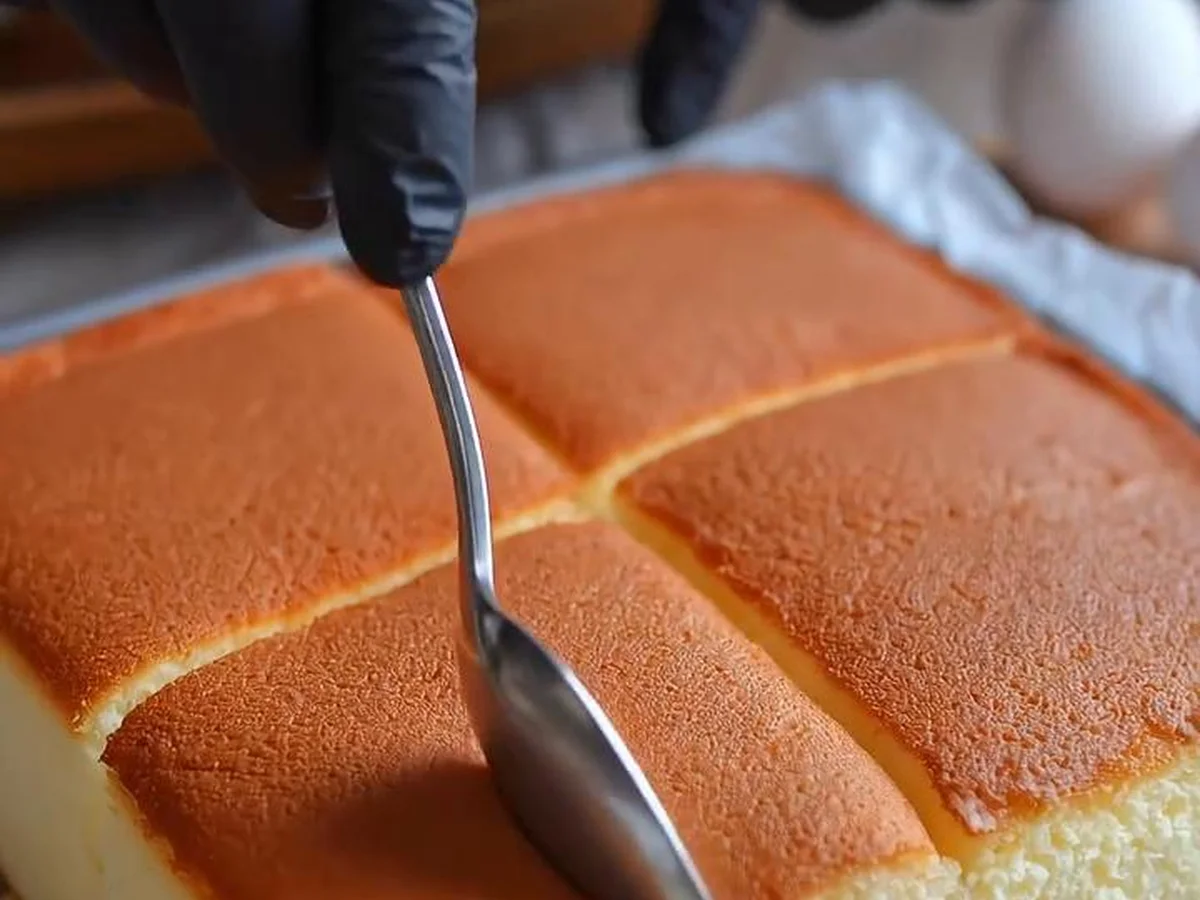
Imagine slicing into this dessert and revealing its jiggly, cloud-like interior. Each bite offers a perfect blend of creamy richness and delicate sweetness, dancing on your palate. It’s a cheesecake that defies the dense reputation usually associated with its Western counterparts, captivating dessert lovers with its uniquely soft façade. The combination of subtle flavors and an unexpected fluffiness offers that ultimate ‘ahh’ moment that makes you want to come back for more. Whether enjoyed on a lazy afternoon with a cup of tea or at a festive gathering, the Japanese Cotton Cheesecake is definitely a treat to savor.
The Origins and History
The Japanese Cotton Cheesecake is a relatively modern dessert, emerging from a blend of Western baking traditions and Japan’s individual flair for creating unique, lighter confections. Its origins trace back to the 1980s, as French soufflé cheesecakes gained popularity in Japan. The Japanese culinary ethos places great emphasis on texture—prioritizing lightness and elegance, leading to the inception of this airy delight. The name ‘cotton’ relates to its soft, cloud-like appearance, reminiscent of the cotton candy many might recall from childhood fairs.
This classic dessert continues to undergo local interpretations and innovations, making it a symbol of Japan’s evolving food culture. Observing how this cheesecake has been embraced and reimagined by various artisanal bakers throughout Japan is intriguing. Flourished in cafés and shops, it’s not uncommon to see it accompanied by a fresh berry compote or cream, illustrating a delightful fusion of flavors that reflects the spirit of modern Japanese baking.
Why You Will Absolutely Love This Recipe
- Flavor Profile: The Japanese Cotton Cheesecake skillfully balances the rich creaminess of cheese with the lightness of whipped egg whites, producing a harmoniously delightful taste experience.
- Ease of Preparation: Although it may appear sophisticated, this cheesecake is surprisingly simple to make, offering a perfect introduction to bakers of all skill levels.
- Crowd-Pleaser: Its unique texture and flavor make it a hit with anyone—be it at family gatherings or quaint tea parties. People will be raving about it!
- Leftovers: This cheesecake stays fresh in the fridge for days, making it an ideal treat to bake ahead and enjoy leisurely over time.
Deep Dive into the Ingredients
To achieve the coveted fluffiness and rich flavor of Japanese Cotton Cheesecake, the right selection of ingredients is essential. Here’s a closer look at each component and its significance.
- Milk (100 ml): Milk adds moisture to the batter, which is critical in keeping the cheesecake soft. Whole milk would work best, enhancing richness.
- Eggs (6, separated): Eggs are the backbone of this recipe, providing structure and leavening. The yolks enrich the cheesecake, while the whipped egg whites introduce lightness and lift, achieving that voluminous texture.
- All-Purpose Flour (70 g): Flour serves as a stabilizing agent in the cheesecake batter. It’s imperative to sieve the flour to avoid lumps, ensuring a smooth consistency.
- Cream Cheese (240 g, softened): Cream cheese gives the cheesecake its characteristic tangy flavor and creaminess. Opt for high-quality cream cheese as it plays a pivotal role in flavor.
- Unsalted Butter (40 g): Butter not only adds richness but also contributes to a moist crumb. Softened butter blends well, making it easier to work into the batter.
- Vanilla Extract (1/2 tsp): A hint of vanilla enhances the overall flavor profile without overpowering it, complementing the cream cheese perfectly.
- Cream of Tartar (1/4 tsp): Cream of tartar is crucial for stabilizing whipped egg whites, preventing them from collapsing as well as giving a slight lift before baking.
While these ingredients are essential, consider alternatives depending on dietary preferences or availability. For instance, substitutes like mascarpone can replace cream cheese for a richer flavor, or almond milk can replace cow’s milk for a dairy-free version. However, substituting should be done cautiously to preserve the delicate structure of the cake.
Pro Tips for Perfect Results
Creating a perfect Japanese Cotton Cheesecake requires attention to detail and some specific techniques to ensure it turns out light, fluffy, and flavorful.
- Proper Egg Separation: Ensure that there’s no yolk in the egg whites when separating. Even a tiny amount of fat can prevent the whites from whipping to their full volume.
- Whipping the Egg Whites: When whipping egg whites, add cream of tartar once they begin to froth. This stabilizes them, allowing for increased volume without collapsing.
- Water Bath Method: Using a water bath is essential for even baking. This method allows for gentler heat, creating that desired texture while preventing cracking.
- Cool Gradually: After baking, let the cheesecake cool in the oven with the door slightly ajar. A rapid temperature change can cause the cheesecake to crack.
- Use Fresh Ingredients: Always choose fresh ingredients, particularly dairy products and eggs, to ensure the best possible flavor and texture.
Serving and Pairing Suggestions
The Japanese Cotton Cheesecake shines on its own, but can effortlessly pair with various accompaniments. A drizzle of warm berry compote, a scattering of fresh fruits, or a dollop of whipped cream can elevate the experience. For beverages, a comforting pot of green tea or a light iced coffee complements the cheesecake’s delicate flavors, making it a delightful treat for afternoon gatherings or even as a light dessert after dinner.
Storage, Freezing, and Reheating
Once cooled, store the Japanese Cotton Cheesecake in an airtight container in the fridge, where it can last up to five days. If you’ve made a larger batch or want to save some for later, freezing is an option. Wrap the cooled cheesecake tightly in plastic wrap and transfer it to a freezer-safe container. It can be frozen for up to three months. When ready to enjoy, thaw the cheesecake in the refrigerator overnight. Reheating is not recommended since the charm of this dessert lies in its freshly baked texture.
Frequently Asked Questions (FAQ)
1. Why does my cheesecake sink in the center?
This can happen for a few reasons; either the egg whites were underwhipped, or the cheesecake baked for too long. Ensuring that egg whites achieve stiff peaks before folding them into the batter is crucial.
2. Can I add flavors to the cheesecake?
Absolutely! You can fold in various flavors like lemon zest, matcha, or cocoa to the batter, though be mindful not to alter the liquid-to-dry ingredients balance excessively.
3. What if my cheesecake cracks on top?
A common culprit is a sudden temperature change! Ensure you cool the cheesecake gradually and use a water bath to maintain a consistent temperature throughout the bake.
4. Can I use a different baking pan?
While a round cake pan is traditional, you can also use other shapes, such as square or springform pans. Just adjust the baking time as needed.
Conclusion
Once you’ve mastered the Japanese Cotton Cheesecake, you’ll have a delightful dessert in your repertoire that’s sure to impress. Each slice brings comfort along with an airy texture that leaves you wanting more. Happy baking!
The History of This Recipe
Japanese cotton cheesecake, known for its airy texture and delicate sweetness, originated in Japan during the 1990s. This unique dessert was inspired by Western-style cheesecakes but was reimagined with a lighter, fluffier approach that reflected Japan’s culinary aesthetics.
The recipe typically combines cream cheese, eggs, sugar, and flour, whipped together to create a soufflé-like consistency. The baking technique, which often involves steaming, contributes to its signature soft and spongy texture that feels almost weightless.
As the dish gained popularity, it quickly spread beyond Japan, capturing the hearts of dessert enthusiasts worldwide. Today, Japanese cotton cheesecake is celebrated not just for its taste, but also for its visual appeal, often served in an Instagram-worthy fashion.
Japanese Cotton Cheesecake
INGREDIENTS
- 100 ml milk
- 6 eggs (separated into whites and yolks)
- 70 g all-purpose flour
- 240 g cream cheese (softened)
- 40 g unsalted butter
- 1/2 tsp vanilla extract
- 1/4 tsp cream of tartar
INSTRUCTIONS
Preheat your oven to 160°C (320°F). Grease a 7-inch round cake pan and line the bottom with parchment paper. Set aside.
In a small saucepan, combine the cream cheese, unsalted butter, and milk. Heat over low heat until the cream cheese and butter are melted and smooth. Stir occasionally to prevent burning. Remove from heat and let it cool slightly.
In a mixing bowl, whisk together the yolks and 30 g of granulated sugar until the mixture is pale and creamy. Gradually add the cooled cream cheese mixture and vanilla extract, mixing well until combined.
Sift the all-purpose flour into the cream cheese mixture and mix until smooth and there are no lumps.
In a separate clean bowl, whisk the egg whites with cream of tartar using an electric mixer until soft peaks form. Gradually add the remaining 40 g of granulated sugar, continuing to whisk until stiff peaks form.
Gently fold one-third of the egg whites into the cream cheese batter to lighten it. Then carefully fold in the remaining egg whites, being cautious not to deflate the mixture.
Pour the batter into the prepared cake pan and smooth the top with a spatula.
Place the cake pan into a larger baking dish and fill the baking dish with hot water until it reaches halfway up the sides of the cake pan (this is a water bath method).
Bake in the preheated oven for about 60 minutes, or until the top is golden brown and a toothpick inserted into the center comes out clean.
Once baked, turn off the oven and crack the door open. Let the cheesecake cool in the oven for about 30 minutes to prevent cracking.
Remove the cake from the water bath and cool completely at room temperature. Once cooled, refrigerate for at least 2 hours before serving.
Carefully remove from the pan, slice, and enjoy your fluffy Japanese cotton cheesecake!
Time & Calories:
Total Time: Approximately 2.5 hours (including cooling time)
Estimated Calories: ~220 calories per slice (based on 8 slices)
NOTES
Enjoy your delicious homemade Japanese Cotton Cheesecake !