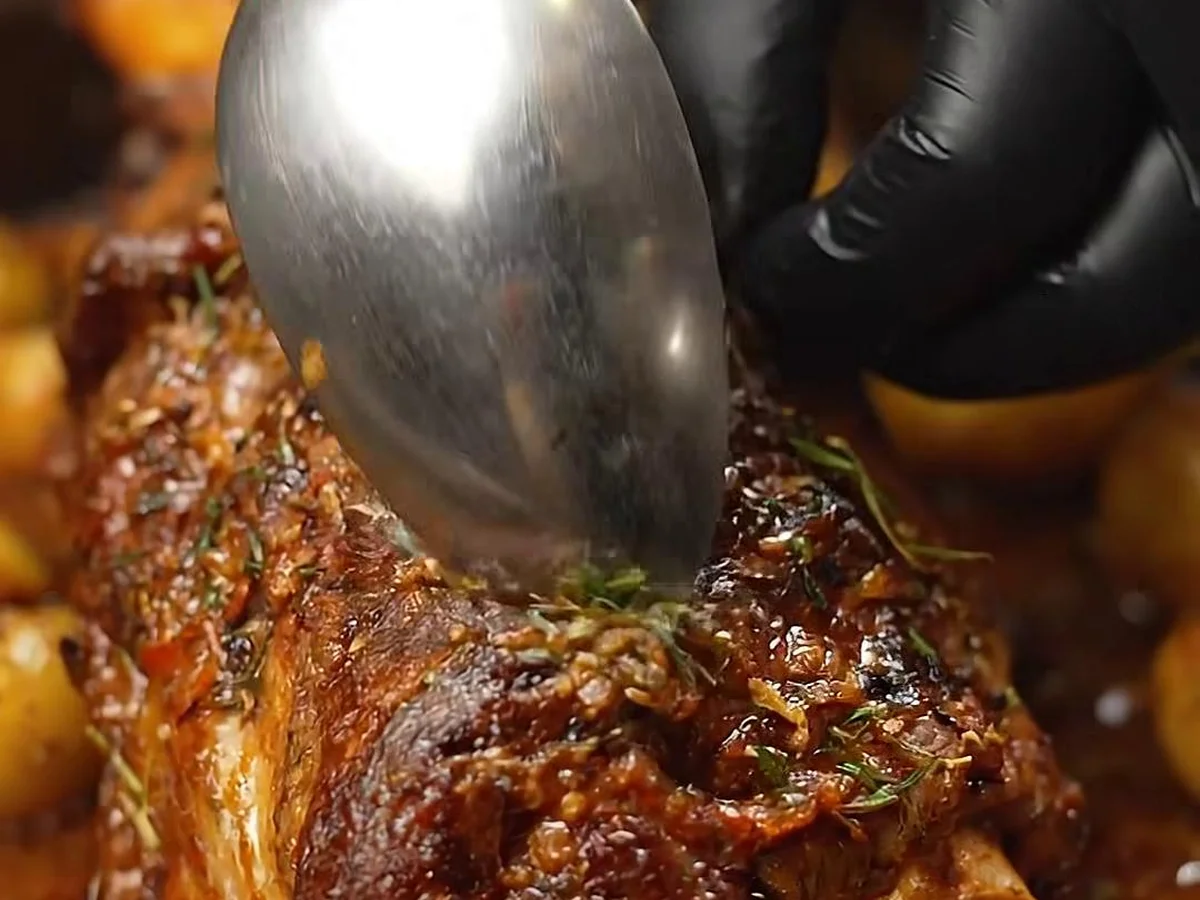
Introduction
Imagine the aromatic smell of slow-roasting beef shank wafting through your home, creating an atmosphere that feels both comforting and celebratory. Roasted Beef Shank is not just a dish; it’s an experience immersed in richness and depth, a savory testament to what comfort food stands for. The succulent, tender meat practically falls off the bone, infused with the mild sweetness of caramelized vegetables and the warm, earthy essence of garlic. Each bite evokes memories, a reminder of family meals shared and friendships built around the table.
This dish is a classic, often associated with hearty meals, gathering friends and family around for a feast that lasts long into the evening. As the shank roasts, it transforms into an incredible centerpiece, a marvel of culinary magic that even the novice chef can achieve. The combination of simple ingredients, when brought together with patience and care, results in something truly spectacular. The versatility of the beef shank and its ability to take on rich flavors make it a beloved choice across many cuisines, establishing its status as a staple for gatherings or a cozy night in.
The Origins and History
Beef shank has its roots in traditional home cooking, often utilized in various cuisines as a means to stretch a budget while providing an immensely satisfying meal. Historically, this cut of meat was frequently cooked slowly to break down its tougher fibers. From European peasant stews to South American comfort dishes, it has traveled the globe with different interpretations, each celebrating its rustic charms. The practice of roasting large cuts of meat can be traced back centuries, aligning with communal cooking and sharing traditions.
In different cultures, the beef shank is emblematic of sustenance, love, and family. In France, it plays a key role in dishes like ‘Osso Buco,’ a luxurious treat often served with a saffron risotto. Across the Atlantic, you’ll find it simmering in the pots of home cooks, creating savory pot roasts. The evolution of the beef shank through history reflects a culinary journey of creativity, adaptability, and community, leaving an indelible mark on our palates.
Why You Will Absolutely Love This Recipe
- Flavor Profile: The deep, rich, and savory flavors that develop during the roasting create a dish that is both complex and comforting.
- Ease of Preparation: A straightforward recipe that requires minimal hands-on time, perfect for busy weekdays or cozy Sunday dinners.
- Crowd-Pleaser: The appeal of a tender, hearty beef dish makes it universally loved by friends and family.
- Leftovers Galore: This dish is wonderfully versatile; leftovers can be transformed into sandwiches, soups, or mixed into pasta the next day.
Deep Dive into the Ingredients
The success of the Roasted Beef Shank lies in the careful selection and interaction of its ingredients. Each component works harmoniously to build flavor, enhance the dish’s texture, and provide an essence that nourishes the soul.
Beef Shank: This cut comes from the leg of the animal and contains both tough connective tissues and flavorful marrow. The slow cooking process melts the collagen, resulting in a luscious, melt-in-your-mouth experience. When choosing beef shank, look for a piece that has a good amount of marbling, as this will provide extra flavor and tenderness once cooked.
Garlic: The addition of minced garlic elevates the dish, imparting a fragrant aroma and a warm, slightly sweet flavor as it caramelizes during roasting. Garlic also adds health benefits, contributing antioxidants and bolstering the immune system.
Olive Oil: This robust oil not only facilitates even cooking and prevents sticking but also adds a layer of richness. High-quality extra virgin olive oil can enhance the flavor profile significantly; consider investing in one for memorable results.
Vegetables: Onion, carrots, and celery are known as the ‘mirepoix,’ forming the aromatic base for many dishes. These vegetables add sweetness, texture, and layers of flavor, enriching the beef shank’s natural richness for an unforgettable braising liquid.
Beef Broth: Using quality beef broth is critical in enhancing the savory notes of the dish. Homemade broth is preferred, but a store-bought version may suffice, as long it’s low-sodium and free from additives. The broth steeps the beef, ensuring it becomes deeply flavored throughout the cooking process.
Pro Tips for Perfect Results
Achieving the perfect Roasted Beef Shank comes down to a few key techniques. Follow these pro tips to unlock the full potential of your dish:
- Searing the Meat: Always sear the beef shank first! A hot pan with a little olive oil not only seals in the juices but also creates a beautiful caramelization, adding depth to the overall flavor.
- Cooking Temperature: Ideally, roast the shank at a low temperature (around 325°F). Low and slow is crucial for breaking down the connective tissues, resulting in tender, succulent meat.
- Adding the Broth: Incorporating the broth after the initial searing allows the beef to absorb all the flavors while still maintaining its moisture.
- Let It Rest: Once cooked, allow the beef shank to rest. This process lets the juices redistribute, ensuring every slice is packed with flavor.
Serving and Pairing Suggestions
Roasted Beef Shank can stand alone in its glory, but it pairs beautifully with various sides. Consider serving it alongside creamy mashed potatoes, hearty polenta, or roasted root vegetables. To complement the rich flavors of the dish, a robust red wine such as Cabernet Sauvignon or Malbec would be an excellent choice, ideally enhancing the experience around the dinner table. Perfect for cozy family dinners, romantic occasions, or festive gatherings, this delectable dish never fails to impress.
Storage, Freezing, and Reheating
Once your luscious Beef Shank is prepared, you might find yourself with enough leftovers for several delicious meals. Store any remaining meat in an airtight container in the refrigerator for up to three days. When ready to enjoy your leftovers, gently reheat in a saucepan over low heat, adding a splash of broth to maintain moisture and flavor.
If you want to take things a step further, consider freezing portions. It’s ideal for meal prep, just be sure to store in airtight freezer bags. Properly sealed, the beef shank can be frozen for up to three months. Defrost in the refrigerator overnight before reheating for optimal results.
Frequently Asked Questions (FAQ)
- Can I use a different cut of beef for this recipe?
Yes! While beef shank is ideal for its flavor and tenderness, similar cuts like chuck roast or brisket can also work, though cooking times may vary. - Can I add herbs and spices to the recipe?
Absolutely! Fresh herbs such as rosemary, thyme, or bay leaves can elevate the flavors. Add them to the vegetables or the broth for added complexity. - Is it necessary to sear the shank before roasting?
While it may seem optional, searing locks in the juices and develops a more robust flavor profile. It’s highly recommended for the best results. - How do I know when the beef is done?
Tender beef that’s ready to eat will be easily shredded with a fork. Alternatively, a meat thermometer can ensure it reaches an internal temperature of about 190°F. - What can I do with leftover beef shank?
Leftover beef shank can be shredded and used in tacos, sandwiches, or soups, streamlining your meal planning for the week!
Conclusion
Roasted Beef Shank is more than nourishment; it’s a connection to cherished memories and warm gatherings. Give this recipe a try, and feel the comfort and delight it brings to your dining table.
The History of This Recipe
Roasted beef shank traces its roots back to ancient culinary traditions where resourcefulness was key. It became a popular dish among those who sought flavorful, hearty meals using tougher cuts of meat that were often overlooked.
In early European homes, the shank was slow-cooked to transform its connective tissues into tender, melt-in-your-mouth goodness. This cooking method not only enhanced the meat’s flavor but also became a cherished family recipe passed down through generations.
As cultures evolved, so did the preparation of roasted beef shank, adapting to regional spices and cooking techniques. Today, it stands as a testament to age-old culinary wisdom, celebrated for its rich flavors and comforting appeal.
Roasted Beef Shank
INGREDIENTS
- 1 large beef shank (approximately 3-5 pounds)
- 4 garlic cloves, minced
- 2 tablespoons olive oil
- 1 onion, chopped
- 2 carrots, chopped
- 2 stalks celery, chopped
- 2 cups beef broth
INSTRUCTIONS
Preheat your oven to 325°F (163°C).
In a large Dutch oven or oven-safe pot, heat the olive oil over medium heat. Add the chopped onion, carrots, and celery. Sauté the vegetables until they are softened, about 5-7 minutes.
While the vegetables are sautéing, season the beef shank generously with salt and pepper on all sides. Once the vegetables are ready, remove them from the pot and set them aside.
In the same pot, sear the beef shank over medium-high heat until browned on all sides. This should take about 3-4 minutes per side. Remove the beef shank from the pot and set aside.
Add the minced garlic to the pot and sauté for about 30 seconds until fragrant. Pour in the beef broth and scrape the bottom of the pot to deglaze, picking up any browned bits.
Return the beef shank to the pot, add the sautéed vegetables, thyme, rosemary, and bay leaf. Make sure the beef shank is partially submerged in the liquid.
Cover the pot with a lid and transfer it to the preheated oven. Roast for about 3 to 4 hours, or until the meat is tender and easily pulls away from the bone.
Once cooked, remove the pot from the oven. Let it rest for about 15 minutes before serving. Discard the bay leaf.
Serve the roasted beef shank with the vegetables and some of the cooking liquid spooned over the top.
Time & Calories
Total Time: Approximately 4 hours and 30 minutes (including preparation)
Serving Size: Approximately 4-6 servings
Estimated Calories: About 350-450 calories per serving (varies based on portion size and specific ingredients used)
NOTES
Enjoy your delicious homemade Roasted Beef Shank !