Introduction
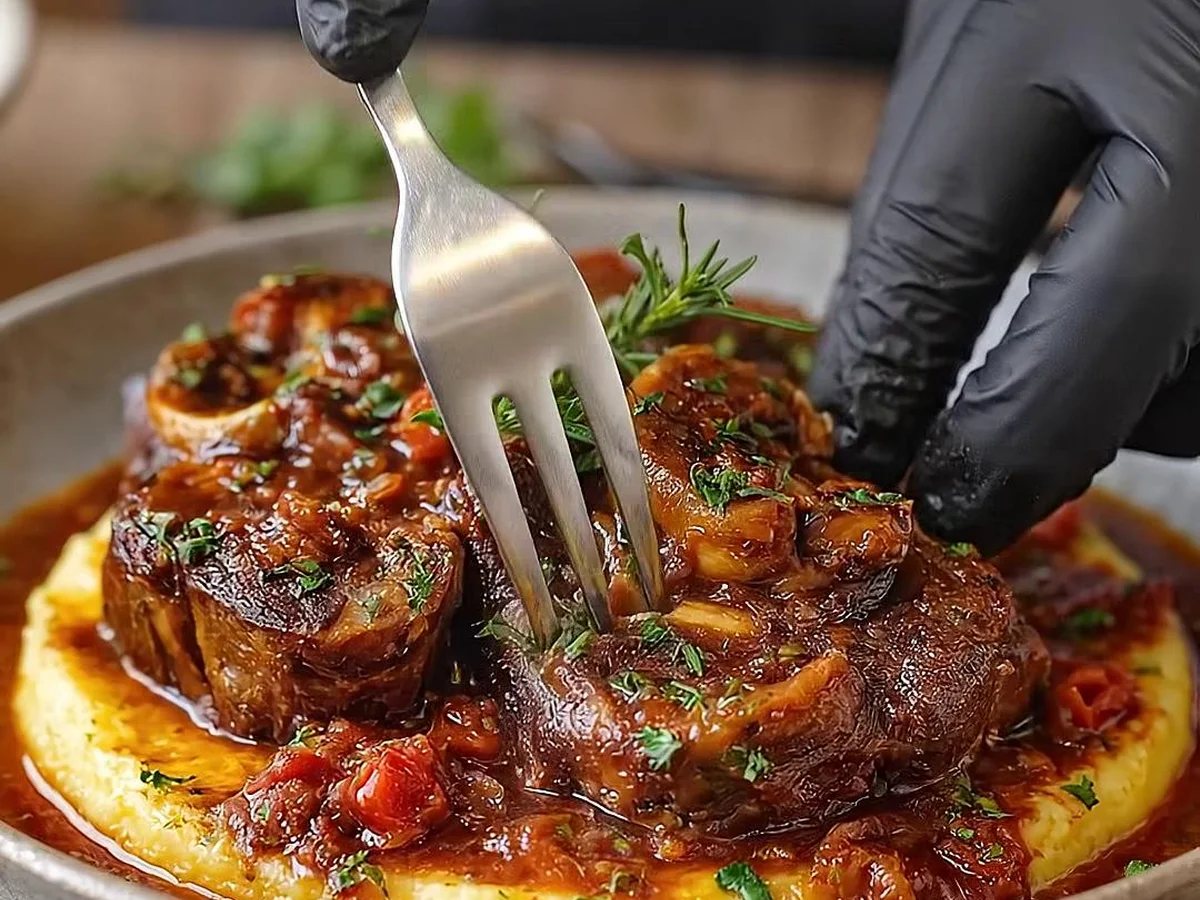
Veal Osso Buco, a classic Italian dish, is the epitome of comfort food—rich, hearty, and bursting with flavors that awaken the senses. Imagine a warm kitchen filled with the luscious aroma of braised meat mingling with aromatic vegetables and herbs; it’s enough to make anyone’s mouth water. As this exquisite dish simmers, the veal bones release their marrow, enriching the sauce with a velvety texture that beautifully coats the tender meat and vegetables. Each bite is a delightful fusion of flavors; the robust taste of the veal melds with the natural sweetness of onions, carrots, and celery, resulting in a dish that is simultaneously earthy and sophisticated.
This stunning dish is not just about sustenance; it’s a culinary experience that fills the heart with warmth and the belly with deliciousness. Osso Buco, which translates to “bone with a hole” in Italian, showcases the way food brings people together, often enjoyed during family gatherings or festive occasions. Whether you are a seasoned chef or just starting out in the kitchen, preparing Veal Osso Buco is sure to impress your friends and family, becoming a prime candidate for your culinary repertoire.
The Origins and History
The origins of Osso Buco can be traced back to the northern regions of Italy, specifically Lombardy, where the dish embodies the rustic spirit of Italian cooking. Traditionally, the use of veal shanks, with their elegant marrow-filled bones, reflects the Italian philosophy of using every part of the animal. The dish is steeped in history—once considered peasant food, Osso Buco has gained widespread popularity and is now celebrated in higher-end restaurants worldwide. Some speculate that the dish became popular among the culinary elite in the 20th century, particularly in Milan, thanks to its delicate balance of texture and flavor.
Complemented by gremolata, a zesty mixture of lemon zest, garlic, and parsley, this dish showcases the Italian love for fresh ingredients and vibrant flavors. Today, variations of Osso Buco can be seen beyond Italy, inspired by different cultures yet honoring the traditional methods. Its robust yet delicate profile makes it a versatile dish, pairing well with a wide array of sides, like creamy polenta or risotto. Whether enjoyed at a festive gathering or by the fire on a chilly evening, this remarkable dish exudes timeless comfort.
Why You Will Absolutely Love This Recipe
- Flavor Profile: The complex layers of flavors—from the well-seasoned veal to the aromatic vegetables—will tantalize your taste buds and leave you wanting more.
- Ease of Cooking: Despite its gourmet appearance, Osso Buco is relatively straightforward to prepare, making it accessible for cooks of all levels.
- Crowd-Pleaser: This dish is perfect for gatherings and special occasions; everyone will rave about the rich flavors and succulent meat.
- Delicious Leftovers: The flavors deepen and enhance overnight, making for wonderful next-day meals that are just as satisfying.
Deep Dive into the Ingredients
Understanding the individual ingredients is pivotal to mastering Veal Osso Buco. Each component plays a crucial role in building the rich flavor profile.
Veal Osso Buco: The star of the show, veal shanks, is typically cut approximately 1.2 inches thick, ensuring even cooking and adequate surface area to absorb flavors. The tenderness of veal also allows it to become melt-in-your-mouth delicious during braising.
Salt and Black Pepper: These fundamental seasonings enhance the natural flavors of the meat. Using high-quality sea salt and freshly ground black pepper will elevate the overall taste.
Olive Oil: A staple in Mediterranean cuisine, olive oil not only prevents the meat from sticking to the pan during searing but also adds a rich, fruity flavor that enhances the dish.
Onion: Finely chopped onions provide depth and sweetness, caramelizing as they cook and forming the base of the sauce. Vidalia or yellow onions are ideal for their balance of sweetness and acidity.
Carrots and Celery: Diced carrots offer a natural sweetness, while celery contributes an aromatic quality and crunch. Together, they form the mirepoix—a foundational element in many classic dishes. These vegetables not only flavor the sauce but also become tender morsels that complement the veal beautifully.
For substitutions, if veal is not available, consider using beef shanks; however, be mindful that this will alter the overall flavor profile slightly. Additionally, while traditional Osso Buco leans heavily on the original cuts, feel free to experiment with herbs and spices to suit your preferences.
Pro Tips for Perfect Results
To achieve the most delectable outcome, consider these essential cooking tips:
- Searing the Meat: Ensure that your pan is hot before adding the veal to create a crust that locks in moisture. This step is crucial for building a deep flavor.
- Deglazing: After searing the meat, use broth or wine to deglaze the pan, scraping up the brown bits that are essential for the sauce. This enhances the complexity of the flavors.
- Low and Slow Cooking: Allow the dish to simmer gently, which will break down the connective tissue in the veal, yielding tender results. Avoid rushing the cooking process.
- Gremolata: Adding fresh gremolata right before serving brightens the dish and gives it an inviting aroma, counterbalancing the richness of the braised meat.
Serving and Pairing Suggestions
When it comes to serving Veal Osso Buco, consider pairing it with creamy polenta, risotto, or a bed of mashed potatoes to soak up the rich sauce. A crisp green salad dressed with lemon vinaigrette can provide a refreshing contrast. In terms of beverages, a full-bodied red wine, such as Barolo or Chianti, complements the flavors beautifully, enhancing the entire dining experience. This dish is perfect for special occasions like family gatherings, holidays, or romantic dinners.
Storage, Freezing, and Reheating
To maximize freshness, store leftovers in an airtight container in the refrigerator for up to three days. For longer storage, Veal Osso Buco can be frozen; just be sure to let it cool completely before transferring it to a freezer-safe container. To reheat, allow it to thaw in the refrigerator overnight, then gently warm it on the stovetop, adding a splash of broth if the sauce has thickened too much. This gentle reheating ensures that the flavors remain vibrant and the meat stays tender.
Frequently Asked Questions (FAQ)
Can I use a slow cooker for Osso Buco? Yes! Utilizing a slow cooker allows for hands-off cooking. Simply sear the meat first, then transfer it to the slow cooker along with the vegetables and broth, cooking on low for 6-8 hours.
Can I make this dish in advance? Absolutely! Veal Osso Buco benefits from being made ahead of time, as the flavors deepen and meld overnight. Reheating it simply enhances the dish.
What sides pair best with Osso Buco? Popular pairings include creamy polenta, risotto, or a light salad. These sides balance the richness of the dish and offer contrasting textures.
Is it necessary to add wine to the sauce? While wine adds depth and acidity, it is not essential. You can replace it with additional broth or stock for a non-alcoholic version.
Conclusion
Prepare to elevate your culinary skills and enchant your guests with Veal Osso Buco—an exquisite dish that promises comfort and sophistication in every bite.
The History of This Recipe
Veal Osso Buco originated in the northern Italian region of Lombardy, particularly in Milan, where it was traditionally prepared by local shepherds and butchers. The name itself means bone with a hole, referring to the marrow-filled bone at the center of the veal shank, which is essential to the dish’s rich flavor.
Historically, this dish was a humble, rustic meal made from slow-cooking veal shanks with vegetables and wine. It gradually gained popularity in the 20th century, becoming a staple in Italian cuisine and spreading to restaurants and homes worldwide.
Osso Buco’s charm lies in its simplicity and the depth of flavor developed during the long cooking process. Today, it is often served with gremolata, a mixture of lemon zest, garlic, and parsley, highlighting its vibrant approach to comfort food.
Veal Osso Buco
INGREDIENTS
- 4 slices of veal osso buco (approx. 1.2 inches thick)
- Salt to taste
- Black pepper to taste
- 2 tablespoons olive oil
- 1 onion, finely chopped
- 2 carrots, diced
- 2 celery stalks, diced
INSTRUCTIONS
Preheat your oven to 325°F (160°C).
Season the veal osso buco slices generously with salt and black pepper on both sides.
In a large, heavy-bottomed Dutch oven, heat the olive oil over medium-high heat. Once hot, add the osso buco slices and brown them on both sides, about 5 minutes per side. Remove the veal from the pot and set aside.
In the same pot, add the chopped onion, carrots, and celery. Sauté for about 5-7 minutes, or until the vegetables are softened and the onion is translucent.
Add the minced garlic and cook for another minute until fragrant.
Pour in the white wine, scraping up any browned bits from the bottom of the pot. Allow the wine to simmer for about 3-4 minutes, reducing slightly.
Stir in the broth, diced tomatoes, thyme, and bay leaf. Mix well.
Return the osso buco to the pot, making sure they are submerged in the liquid. Bring to a gentle simmer.
Cover the pot with a lid and transfer it to the preheated oven. Cook for about 1.5 to 2 hours, or until the veal is tender and falling off the bone.
Once cooked, carefully remove the pot from the oven. Discard the bay leaf and sprinkle the lemon zest and chopped parsley before serving.
Serve the osso buco with risotto, polenta, or crusty bread to soak up the rich sauce.
Time & Calories
Total Time: Approximately 2.5 hours (including prep and cook time)
Estimated Calories per serving: 430 calories (based on 4 servings)
NOTES
Enjoy your delicious homemade Veal Osso Buco !