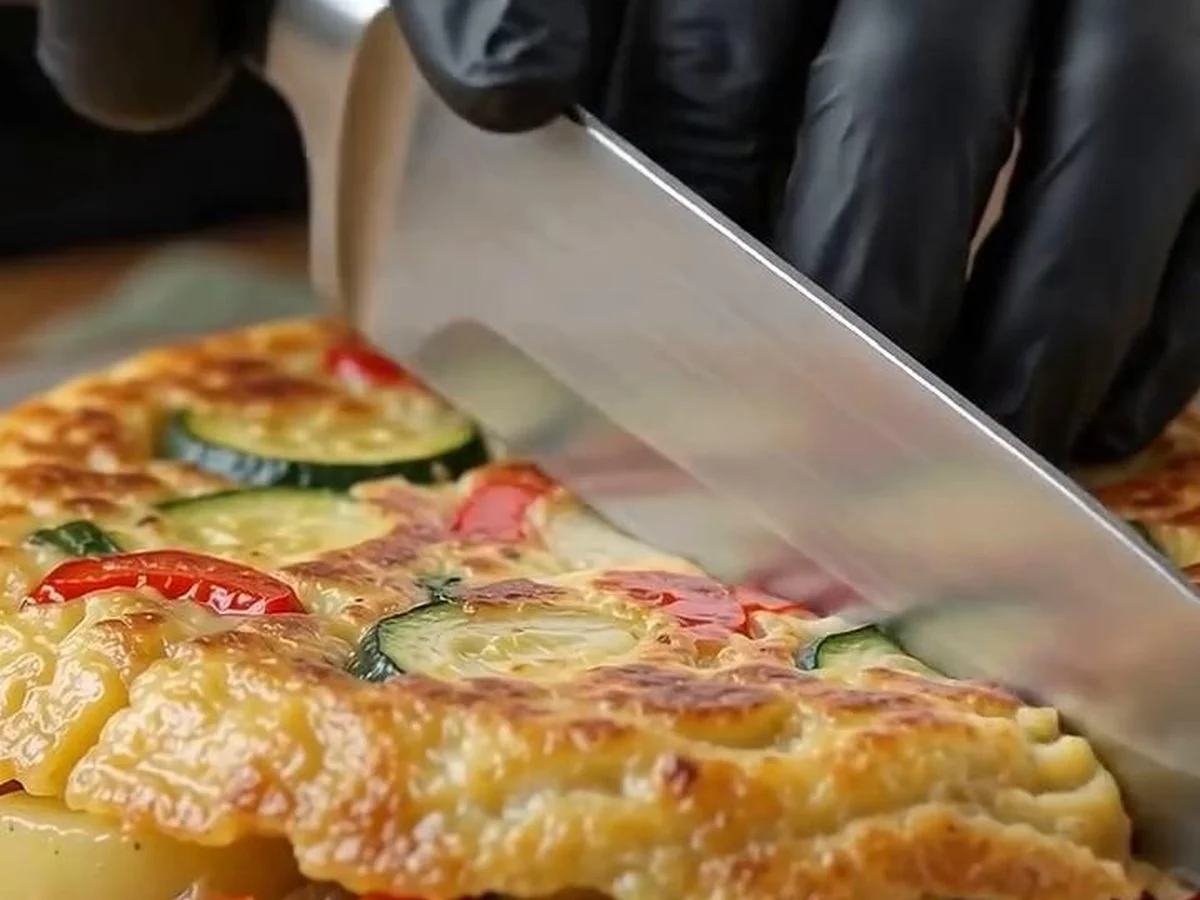
When it comes to comfort food, few dishes can claim to be as universally adored as the Spanish Omelette, or Tortilla Española. This culinary gem, with its golden hue and rustic appearance, has fallen into the hearts—and bellies—of many across the globe. As you slice through the fluffy layers of softly cooked potatoes enveloped in tender eggs, you’ll release a mouthwatering aroma that fills the air with warmth and nostalgia. The dish not only delights the taste buds but also evokes feelings of home, warmth, and a shared table. Every bite brings a snapshot of Spanish life, taking you from bustling tapas bars in Madrid to sun-kissed terraces in Andalusia. It’s a versatile dish that can be enjoyed at any time of the day, making it a stellar choice for breakfast, lunch, or even a late-night snack. In this blog post, we will journey through the origins, preparation, and the irresistible charm of the Spanish Omelette—a true testament to the beauty of simple yet high-quality ingredients.
The Origins and History
The Spanish Omelette, also known as Tortilla Española, holds a significant place in the tapestry of Spanish cuisine. Its origins are somewhat shrouded in mystery, often leading to lively debates among culinary historians. Some believe it dates back to the 18th century when it was first created in the region of Navarre as a nourishing dish for soldiers. Others argue that it emerged as a peasant’s meal, using locally sourced ingredients—a testament to resourcefulness and frugality. The Spanish Omelette was not just a dish; it symbolized the values of regional life: a celebration of seasonal ingredients and a reflection of the agricultural heritage of Spain. As the dish evolved, variations began to surface, with different regions adding their unique touches, such as bell peppers in Valencia or herbs in Andalusia. Its versatility has made it a beloved staple of the Spanish diet, often stealing the show at family gatherings and festive occasions.
Why You Will Absolutely Love This Recipe
- Flavor Profile: The delicate balance of flavors from the earthy potatoes, the sweetness of onions, and the subtle touch of bell peppers create a deliciously comforting dish.
- Ease of Preparation: With just a few simple ingredients and straightforward steps, it’s a fantastic recipe for both novice cooks and experienced chefs looking for a quick meal.
- Crowd-Pleaser: Whether served at a casual breakfast, a vibrant brunch, or as part of a tapas spread, Tortilla Española is guaranteed to impress.
- Leftover Magic: This dish stores beautifully in the fridge, and its flavors often intensify overnight, making it an excellent option for meal prepping.
Deep Dive into the Ingredients
To create a perfect Spanish Omelette, the choice of ingredients is crucial. Let’s delve into the key components:
- Potatoes: Traditional recipes call for starchy potatoes, such as Yukon Gold or russets, that lend themselves well to absorption of flavors. The starchiness ensures a delightful creamy texture that balances beautifully with the eggs. Avoid waxy potatoes as they can result in a less satisfactory texture in the finished product.
- Eggs: The backbone of this dish, eggs should be fresh and high-quality. When cooked, they serve as a rich and velvety base that marries the other ingredients harmoniously, adding both moisture and flavor.
- Red Bell Pepper: Adding a pop of color and sweetness, red bell peppers contribute not just to the flavor but also to the visual appeal of the dish. They’re milder and sweeter than other varieties, making them ideal for this preparation.
- Onion (optional): While not a traditional ingredient in all recipes, adding a small onion elevates the overall flavor by introducing a hint of caramelized sweetness. Opt for yellow or sweet onions for best results.
- Olive Oil: A staple in Mediterranean cooking, a good quality extra virgin olive oil enriches the dish both in flavor and texture. It’s used generously for frying the potatoes and eggs, which helps achieve that signature richness.
- Salt and Pepper: Simple, yet essential, the seasoning is what truly brings the dish to life and highlights the natural flavors of the ingredients.
For those looking to switch things up, consider adding ingredients like spinach for a touch of green or chorizo for a hearty twist. The beauty of the Spanish Omelette lies in its adaptability to personal tastes.
Pro Tips for Perfect Results
To achieve an outstanding Spanish Omelette, consider these expert tips:
- Perfectly Cooked Potatoes: Slice your potatoes thinly to ensure even cooking. Parboiling them briefly before frying can drastically reduce cooking time while retaining moisture.
- Eggs Temperature: Bring your eggs to room temperature before mixing, as this will help them emulsify better with the oil and potatoes, creating a creamier texture.
- Cooking Technique: Use a non-stick skillet, allowing the tortilla to easily slide out once ready. Additionally, cooking on low heat will prevent the edges from burning while the interior sets.
- Flipping: This can be tricky! Instead of trying to flip it in the pan, use a plate to carefully invert the omelette. This not only ensures a perfect shape but also prevents any accidental breaking.
Serving and Pairing Suggestions
The Spanish Omelette shines on its own, but a few thoughtful accompaniments can elevate the experience. Pair with a simple side salad dressed with lemon vinaigrette for a refreshing contrast. For beverages, a glass of chilled white sangria or a robust Spanish red wine complements the dish wonderfully. Additionally, serve it at gatherings, tapas bars, or family events, where it can be the star attraction among an array of delightful bites.
Storage, Freezing, and Reheating
Leftover Tortilla Española can be stored in an airtight container in the fridge for up to 4 days. To reheat, simply place slices in a non-stick skillet over low heat until warmed through, ensuring it remains tender. If you’d like to enjoy it cold, it also makes for a great addition to picnic spreads or as a light lunch option. While freezing is possible, it may alter the texture slightly, so consider it as a last resort.
Frequently Asked Questions (FAQ)
- Can I make the Spanish Omelette without bell peppers? Yes, the bell pepper is an optional ingredient. You can omit it or substitute with other veggies such as zucchini or mushrooms.
- How do I know when the omelette is done cooking? The tortilla should be set around the edges but still slightly jiggly in the center, as it will continue to cook slightly after being removed from the heat.
- Can I add cheese to the Spanish Omelette? While not traditional, a sprinkle of cheese during the last minute of cooking can create a beautifully creamy texture if you desire it.
- Can I serve it cold? Absolutely! Tortilla Española is delicious both warm and at room temperature, making it a versatile dish for various occasions.
Conclusion
Rich in flavor and history, the Spanish Omelette is more than just a dish; it’s a cultural icon encapsulating the spirit of traditional Spanish cooking. I hope this exploration inspires you to create your own version of Tortilla Española, inviting the warmth and joy of Spanish culinary traditions into your home.
The History of This Recipe
The Spanish omelette, known as Tortilla Española, has its roots in the rural regions of Spain, particularly in the late 18th century. It was initially crafted as a hearty meal for farmers and laborers, using simple and accessible ingredients like eggs, potatoes, and onions.
As word spread, this humble dish gained popularity throughout Spain, becoming a staple in many households and tapas bars. Its versatility allowed cooks to adapt the recipe, adding or omitting ingredients based on local preferences and availability.
Today, Tortilla Española is celebrated not just for its flavor, but as a symbol of Spanish culinary tradition and culture. It remains a beloved dish, enjoyed at any time of day and cherished for its comforting simplicity.
Spanish Omelette (Tortilla Española)
INGREDIENTS
- 2 medium potatoes
- 3 large eggs
- 1 red bell pepper
- 1 small onion (optional)
- Olive oil
- Salt
- Pepper
INSTRUCTIONS
Begin by peeling the potatoes and slicing them thinly (about 1/8 inch thick). You can use a mandoline for even slices or a sharp knife.
Heat a generous amount of olive oil (about 1/4 cup) in a large non-stick skillet over medium heat.
Add the sliced potatoes to the skillet, season with salt, and cook slowly for about 15-20 minutes, stirring occasionally, until they are soft but not browned.
While the potatoes are cooking, wash and dice the red bell pepper (and onion if using). Add them to the skillet once the potatoes are softened and cook for an additional 5-7 minutes until tender.
In a large bowl, crack the eggs and beat them well. Season with a pinch of salt and pepper.
Once the potatoes and bell pepper are cooked, drain any excess oil and carefully fold the mixture into the beaten eggs. Make sure everything is well combined.
Return the skillet to the heat with just a drizzle of olive oil. Once warm, pour in the potato and egg mixture.
Cook on medium heat for about 5-7 minutes until the edges start to set. You can gently shake the skillet to ensure it doesn’t stick.
Once the bottom is set and golden, use a large plate to flip the omelette. Slide it onto the plate, then carefully turn it back into the skillet to cook the other side for another 5-7 minutes.
Once both sides are golden and cooked, remove the tortilla from the skillet and let it cool for a few minutes before slicing.
Serve warm or at room temperature, and enjoy!
Time & Calories
Preparation time: 15 minutes
Cooking time: 30 minutes
Total time: 45 minutes
Servings: 4
Approximate calories per serving: 210 calories
NOTES
Enjoy your delicious homemade Spanish Omelette (Tortilla Española) !