Introduction
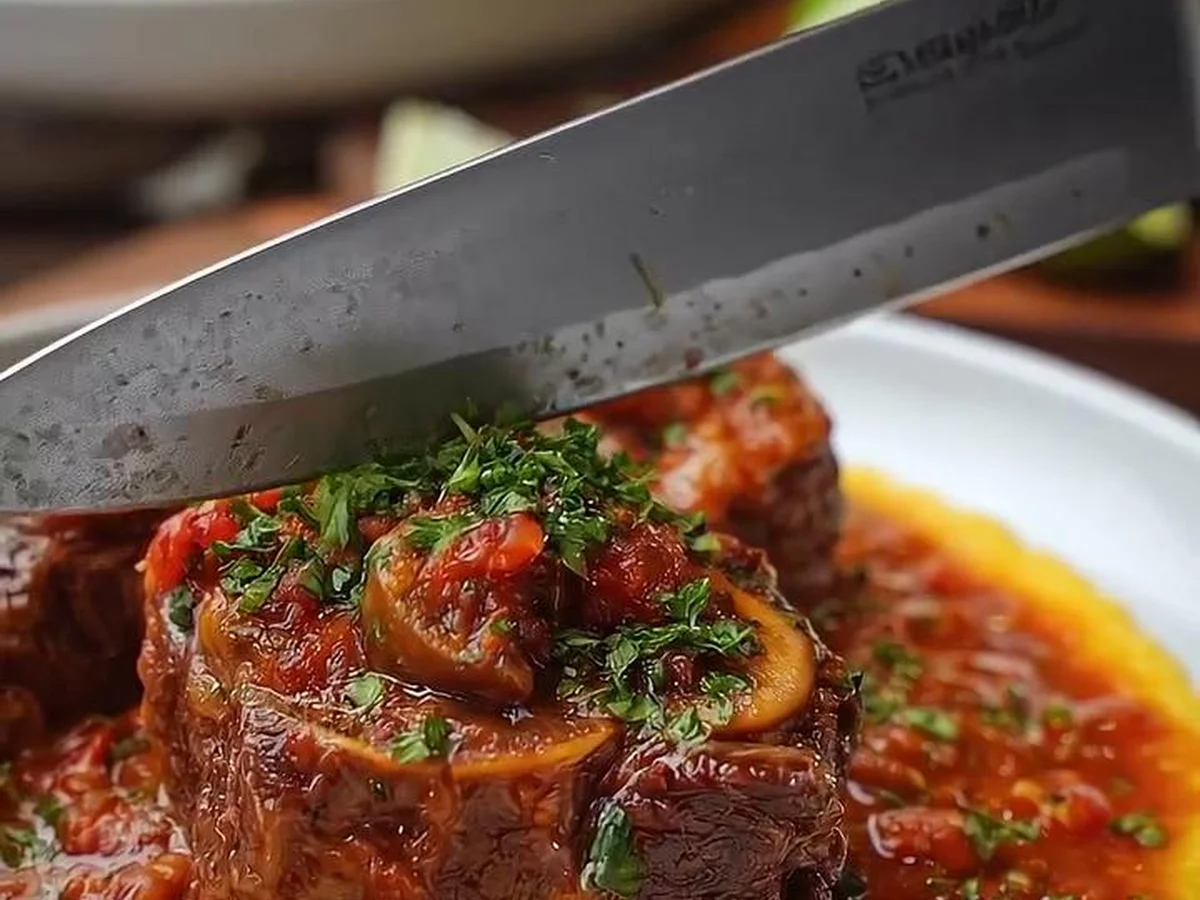
The aroma of slow-cooked veal osso buco wafting through your kitchen is a sensory experience that has the ability to transform any ordinary day into something truly special. This iconic Italian dish, originating from the northern region of Lombardy, features tender cuts of veal shank braised with vegetables, white wine, and aromatic herbs, a combination that melds to create a delectably rich sauce. The moment you cut through the meat, you’ll find its fork-tender texture melting in your mouth, while the marrow from the bone adds a luxurious depth to every bite. With its remarkable ability to be both comforting and elegant, osso buco has solidified its place as a beloved dish in homes and restaurants alike, perfect for family gatherings or cozy dinners for two.
What makes osso buco particularly enthralling is the balance of flavors—each ingredient, from the finely chopped vegetables to the crisp white wine, plays an essential role in crafting a symphony of taste that lingers long after the meal is over. Whether served over saffron-infused risotto or accompanied by creamy polenta, this dish transforms a simple dining experience into an unforgettable feast. Join me on this culinary journey as we delve into the story, techniques, and nuances of preparing the perfect veal osso buco.
The Origins and History
Osso buco, which translates to “bone with a hole” in Italian, boasts a rich culinary history steeped in tradition. This dish has its roots in Lombardy, Italy, where it is often associated with rustic dining. The dish traditionally utilizes veal shanks cut crosswise, revealing a generous bone marrow pocket that becomes a delightful treat when braised. Historically, osso buco was a staple in the kitchens of the Milanese, evolving from a humble, peasant dish to a symbol of fine Italian cuisine over the years.
As Italian immigrants traveled to other countries, they carried this delectable creation with them, allowing osso buco to transcend borders and cultures. In places like the United States, it was adapted to local tastes, but the heart of the recipe remained unchanged. Today, you can find various adaptations of osso buco, with chefs experimenting with different proteins and flavor profiles, showcasing the dish’s versatility while still honoring its beautiful heritage.
Why You Will Absolutely Love This Recipe
- Flavor Profile: The rich, savory flavor of the braised veal is complemented by the sweetness of the onions, the earthiness of carrots and celery, and a hint of acidity from the white wine. Each bite reveals layers of complexity that are hard to resist.
- Ease of Preparation: Despite its impressive presentation, osso buco is relatively straightforward to prepare. Most of the cooking time involve hands-off braising, allowing flavors to develop beautifully.
- Crowd-Pleaser: Whether you’re hosting friends or enjoying a cozy family dinner, this dish impresses both in look and flavor, ensuring it leaves a lasting impression on everyone at the table.
- Leftovers Galore: Osso buco is not just fabulous the first day; it tastes even better the next! The flavors continue to deepen after resting, making leftovers a treat.
Deep Dive into the Ingredients
The magic of veal osso buco lies in its thoughtfully chosen ingredients, each contributing to the final dish’s flavor and texture. Let’s explore these components more closely:
- Veal Osso Buco: Typically, this dish calls for veal shanks that are about 1 ½ inches thick. Veal is chosen for its subtle flavor and tenderness, which pairs beautifully with the slow cooking method. If you want a more robust flavor, you could use beef shanks instead, though the cooking time may need to be adjusted.
- Flour: The flour serves a dual purpose; it helps in the searing process by creating a beautiful brown crust on the meat, and it thickens the sauce slightly during cooking.
- Onion: Finely chopped onion adds a touch of sweetness and depth to the base of the dish. It’s essential for creating a flavorful mirepoix, which is the aromatic foundation of many beloved dishes.
- Carrots and Celery: As part of the mirepoix, they bring color and flavor. Carrots provide natural sweetness, while celery adds earthiness and a slightly bitter note, creating balance in the dish.
- Garlic: The four cloves of minced garlic infuse the dish with aromatic warmth. It’s an integral part of many Italian recipes, enhancing the overall flavor profile.
- White Wine: A cup of dry white wine not only enhances the taste, adding acidity to cut through the richness of the veal, but it also helps to deglaze the pan, lifting all those flavorful brown bits from the bottom and incorporating them into the sauce.
Pro Tips for Perfect Results
To create an osso buco that would make any Italian nonna proud, consider the following expert tips:
- Searing the Meat: Allow the veal shanks to come to room temperature before searing, as this helps achieve a perfect crust. Use a heavy-bottomed pan to ensure even heat distribution, and don’t overcrowd the pan, as this can cause steaming instead of browning.
- Cook Slowly: The secret to tender osso buco lies in the slow braising process. Once you’ve achieved a beautiful sear, lower the heat and let it cook gently. This allows the connective tissue in the meat to break down, creating that tender texture you’re looking for.
- Deglazing Properly: After removing the seared shanks, be sure to use the wine for deglazing. Scrape the bottom of the pan vigorously to incorporate the browned bits, as this adds immense flavor to the sauce.
- Monitoring Liquid Levels: While braising, periodically check for liquid levels. If it looks like it’s evaporating too quickly, cover the pot and reduce the heat, ensuring the veal stays moist and tender.
Serving and Pairing Suggestions
Traditionally, osso buco is served with a side of creamy risotto, which complements the richness of the meat beautifully. Other excellent pairings include creamy polenta or even a crusty loaf of bread to soak up every bit of that luscious sauce. For drinks, consider a crisp, refreshing white wine—a Sauvignon Blanc or a Pinot Grigio would work nicely—or a light-bodied red like a Pinot Noir. This dish shines during cozy winter evenings or festive gatherings, making it a perfect centerpiece for any occasion.
Storage, Freezing, and Reheating
Osso buco is a great candidate for meal prep and can be stored in the refrigerator for up to three days. To freeze, ensure it has cooled completely, then transfer it to an airtight container and store for up to three months. When reheating, it’s best to do so on the stovetop over low heat, adding a splash of broth or water to maintain moisture and prevent the meat from becoming dry.
Frequently Asked Questions (FAQ)
- Can I use other types of meat for osso buco? Yes, while veal is traditional, you can use beef or even pork shanks, keeping in mind that cooking times may vary based on the meat’s size and type.
- Is osso buco gluten-free? Standard osso buco includes flour. If gluten is a concern, you could use a gluten-free flour or omit it altogether, as the dish can still be flavorful with the other ingredients.
- Can I make osso buco ahead of time? Definitely! Osso buco is a fantastic make-ahead dish. In fact, it often tastes better the next day, as the flavors meld further during storage.
- What should I do with the leftover marrow? The marrow is a delicious treat! You can scoop it out and spread it on toasted bread, or mix it into the sauce for added richness.
Conclusion
Veal osso buco is more than just a meal; it’s an experience steeped in tradition and flavor. With the right preparation, you’re set to impress anyone at your table with this comforting yet sophisticated dish. So go ahead, gather your ingredients, and bring a taste of Italy into your home.
The History of This Recipe
Veal Osso Buco traces its roots back to the northern regions of Italy, particularly Milan, where it began as a humble dish made by slow-cooking veal shanks. The name Osso Buco translates to bone with a hole, referring to the marrow-filled bone that enhances the dish’s rich flavor.
Traditionally, it was a simple peasant meal, enjoyed by families who raised livestock and needed to maximize every part of the animal. Over time, it evolved into a beloved delicacy, gaining recognition in fine dining as chefs began to showcase its hearty and robust characteristics.
Today, Veal Osso Buco is often served with gremolata or polenta, further elevating its status in Italian cuisine. This dish not only reflects the resourcefulness of Italian cooking but also celebrates a cultural heritage steeped in communal sharing and flavorful traditions.
Veal Osso Buco
INGREDIENTS
- 4 pieces of veal osso buco (about 1 ½ inches thick)
- 2 tablespoons of flour
- 1 large onion, finely chopped
- 2 carrots, finely chopped
- 2 celery stalks, finely chopped
- 4 cloves of garlic, minced
- 1 cup of white wine
INSTRUCTIONS
Preheat your oven to 325°F (165°C).
Pat the veal osso buco pieces dry with paper towels and season both sides with salt and pepper.
Dredge each piece lightly in flour, shaking off the excess.
In a large Dutch oven or heavy pot, heat the olive oil and butter over medium-high heat.
Once hot, add the veal osso buco pieces and sear until browned on all sides, about 4-5 minutes per side. Remove the browned meat and set aside.
In the same pot, add the chopped onion, carrot, celery, and garlic. Cook, stirring frequently, until the vegetables soften, about 5-7 minutes.
Pour in the white wine, and use a wooden spoon to scrape up any browned bits from the bottom of the pot. Allow the wine to reduce by half, about 3-4 minutes.
Stir in the diced tomatoes (with juices), beef broth, thyme, bay leaves, and lemon zest. Bring to a simmer.
Return the osso buco pieces to the pot, nestling them into the sauce. The liquid should almost cover the meat. Adjust seasoning with salt and pepper if necessary.
Cover the pot with a lid and transfer to the preheated oven. Braise for about 2 hours or until the meat is fork-tender.
Once done, remove the pot from the oven and let it rest for a few minutes. Discard bay leaves before serving.
Serve the osso buco hot, garnished with chopped fresh parsley.
Time & Calories
Total Time: Approximately 2 hours 30 minutes
Calories: Approximately 400 calories per serving (based on 4 servings)
NOTES
Enjoy your delicious homemade Veal Osso Buco !