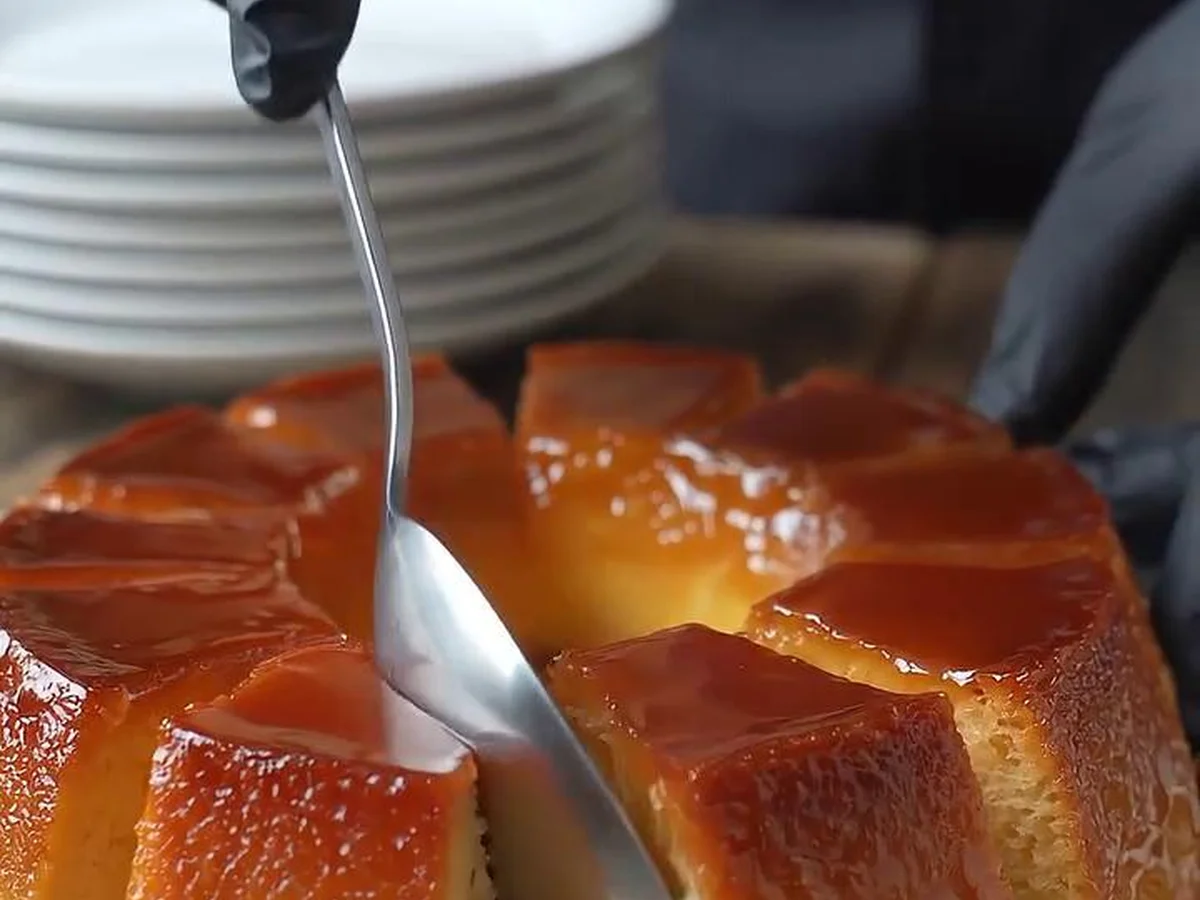
Bread pudding is one of those enchanting desserts that has the magical ability to transport you to a place of pure nostalgic bliss. As you take in the scent of the warm, spiced milk mingling with the soft texture of stale bread, it’s impossible not to feel a sense of comfort. This no-bake variation simplifies the traditional dessert, allowing you to relish its delightful flavors without the fuss of an oven. The delightful taste – a harmonious blend of creamy custard with subtle hints of cinnamon and the sweetness of caramel – envelops your senses and satiates the soul. It’s no wonder that bread pudding reigns supreme as a beloved comfort food across the globe, cherished for its simplicity and heartwarming flavors. Whether enjoyed as a sweet finish to a hearty meal or a sumptuous brunch offering, this dessert speaks to the heart and stomach alike.
The Origins and History
Like many dishes that began as frugal fare, bread pudding has a rich tapestry of history shaped by various cultures and culinary tradition. The very concept emerged from humble beginnings, where stale bread – a common household leftover – was transformed into a delightful dish rather than wasted. The pairing of bread and custard is believed to have taken root in Europe as early as the 13th century, with each country adding its unique flair. In France, bread pudding evolved into “pouding,” and later crossed the Atlantic, finding a home in Southern kitchens where it was embraced with open arms. Today, variations exist in many cuisines – including British bread and butter pudding and the Creole version from New Orleans – each narrating its own flavor story while paying homage to the dish’s simple origin.
Why You Will Absolutely Love This Recipe
- Unmatched Flavor Profile: The sweet creaminess enhanced by the fragrant vanilla and warm spice of cinnamon creates a taste experience that’s deeply satisfying.
- Easy Preparation: This no-bake method cuts down on time and equipment, making it accessible for cooks of all levels.
- Perfect Crowd-Pleaser: Whether for a family gathering, potluck, or dinner party, this dessert can easily impress guests while being highly adaptable.
- Great for Leftovers: Not only are you reducing waste, but this dish tastes even better upon sitting, allowing the flavors to meld beautifully, which makes it a perfect make-ahead option.
Deep Dive into the Ingredients
This recipe harnesses the power of simple yet profound ingredients, each contributing to the delicious depth and texture of the dish:
- Milk (1 liter): The backbone of our pudding, it creates a luxurious custard base. You can opt for whole milk for richness or substitute with almond or oat milk for a non-dairy version.
- Vanilla Extract (1 teaspoon): A quintessential flavor that elevates the dish, extricating aromatic notes that perfectly marry with the cinnamon and sweetness of the caramel. Pure vanilla extract is preferred for its robust flavor, but vanilla bean paste can also add an exquisite touch.
- Liquid Caramel (to taste): Add depth and sweetness while creating an appealing layer of glossy decadence. Whether store-bought or homemade, caramel brings a visually enticing finish to the dish, accentuating the sweetness of the pudding.
- Stale Bread or Brioche (300 grams): This is the star ingredient. Stale bread absorbs the custard beautifully, leading to a soft, cake-like texture. Brioche adds an extra layer of richness due to its buttery flavor, but any bread works – sourdough, French bread, or even a sweet loaf.
- Sugar (100 grams): While the caramel provides sweetness, additional sugar refines the overall flavor balance, ensuring the dessert isn’t overly sugary.
- Eggs (3 large): These provide the necessary structure and richness within the pudding. The eggs bind the ingredients and add that distinctive creamy texture – essential for any custard-based dessert. If you need to avoid eggs, a flaxseed or chia egg substitute can work as a binding agent.
- Ground Cinnamon (1 teaspoon): This spice brings warmth and depth, infusing every bite with its aromatic, cozy essence. You can easily customize this with nutmeg or even cardamom to personalize the flavor.
Pro Tips for Perfect Results
Getting the most out of this bread pudding is about attention to detail. Here are some professional tips to enhance your results:
- Use Day-Old Bread: Fresh bread can turn mushy. Day-old or slightly stale bread absorbs the custard while retaining structural integrity, creating a lovely texture.
- Let the Mixture Rest: Allow the bread cubes to soak in the milk mixture for at least 30 minutes to an hour. This ensures even saturation and prevents dryness.
- Adjust Sweetness to Your Taste: Depending on personal preference, taste the milk mixture before pouring it over the bread. You can always add more sugar if you like it sweeter.
- Experiment with Flavorings: Include extras such as chocolate chips, nuts, or dried fruits to enhance texture and flavor. Adjust the amount of sugar to account for their sweetness.
- Chill Before Serving: Allow the pudding to set in the refrigerator for a couple of hours after preparation. This resting period exaggerates flavors and improves the structure.
Serving and Pairing Suggestions
Bread pudding shines as a standalone dessert but can be paired beautifully with accompaniments. Serve warm or chilled, garnished with fresh whipped cream, a scoop of vanilla ice cream, or a drizzle of additional caramel sauce. It pairs well with a hot cup of coffee or a sweet dessert wine. For occasions, consider presenting your bread pudding with a side of seasonal fruit for a pop of freshness.
Storage, Freezing, and Reheating
This dessert is remarkably forgiving when it comes to storage. You can keep any leftovers in an airtight container in the fridge for up to 4–5 days. If you wish to freeze your bread pudding, cut it into portions, wrap them tightly in plastic wrap, and store them in a freezer-safe container for up to 2 months. To reheat, simply thaw in the refrigerator overnight before warming in the microwave or oven until heated through. This makes it a convenient treat that you can prep in advance and enjoy any time.
Frequently Asked Questions (FAQ)
- Can I use fresh bread? Yes, but stale bread is recommended for the best texture as it absorbs the custard better without becoming overly soggy.
- Is there a gluten-free option? Absolutely! Using gluten-free bread instead of regular bread will work just as well. Adjusting the sugar based on the bread’s sweetness may be necessary.
- Can I make this in advance? Yes! This pudding is ideal for making ahead of time. Allow it to chill in the fridge, letting the flavors meld before serving.
- How can I elevate this recipe? Feel free to infuse the milk with flavors like orange zest or espresso for a unique twist. You can also layer with chocolate or fruits for added complexity.
- What if I don’t have liquid caramel? You can make a simple caramel sauce by melting sugar with a splash of water until it turns golden brown, or just dribble some chocolate sauce as an alternative.
Conclusion
This no-bake bread pudding recipe promises an exquisite balance of flavors that are sure to delight your taste buds while offering the ultimate in comfort food satisfaction. Dive into the process of creating this wonderful dish, and allow it to envelop you in its warmth and nostalgia!
The History of This Recipe
In the heart of the mid-20th century, busy households faced the challenge of transforming excess bread into delectable desserts. Inspired by the traditional bread pudding, a clever home cook created a no-bake version that offered convenience without sacrificing flavor.
This innovative recipe quickly gained popularity, making use of simple ingredients readily available in kitchens across the country. Families cherished the ability to whip up a delightful treat without the need for an oven, allowing them to make memories together.
Over the years, the no-bake bread pudding evolved, featuring a myriad of flavors and variations to suit every palate. Today, it remains a beloved staple, bringing nostalgia and joy to gatherings and celebrations.
Bread Pudding (No-Bake)
INGREDIENTS
- 1 liter of milk
- 1 teaspoon of vanilla extract
- Liquid caramel (to taste)
- 300 grams of stale bread or brioche (cut into cubes)
- 100 grams of sugar
- 3 large eggs
- 1 teaspoon of ground cinnamon
INSTRUCTIONS
In a large mixing bowl, whisk together the eggs and sugar until well combined and slightly frothy.
Add the milk, vanilla extract, ground cinnamon, and a pinch of salt to the egg mixture, and whisk until everything is fully integrated.
Incorporate the stale bread cubes into the mixture, making sure all pieces are soaked properly for a few minutes. If desired, fold in raisins or chocolate chips at this stage.
Use a 9×13-inch dish or a similar-sized container for assembling your bread pudding. Lightly grease the dish with butter or oil.
Pour half of the soaked bread mixture into the greased dish, and then drizzle some liquid caramel over it. Pour the rest of the bread mixture on top and finish with another drizzle of caramel.
Cover the dish with plastic wrap and refrigerate for at least 4 hours or overnight (this step allows the flavors to meld and the pudding to set).
When ready to serve, take the pudding out of the refrigerator and let it sit at room temperature for about 15-20 minutes.
Optionally, slice the pudding into squares and serve topped with whipped cream or a scoop of ice cream. Drizzle with additional caramel if desired.
Time & Calories
Preparation time: 15 minutes
Setting time: 4 hours (or overnight)
Estimated calories per serving: 250-300 calories (depending on servings and additions)
NOTES
Enjoy your delicious homemade Bread Pudding (No-Bake)!