Introduction
There’s something undeniably comforting about a plate of Stuffed Cabbage Rolls. The moment you walk into a kitchen where they’re being prepared, the air becomes infused with rich, savory aromas that speak of home and tradition. The scent of gently simmering tomato sauce mingling with hints of garlic and onions is enough to make anyone’s stomach rumble. As these cabbage rolls bubble away, they evoke memories of family gatherings, cozy winter nights, and the kind of love that only a homemade meal can capture.
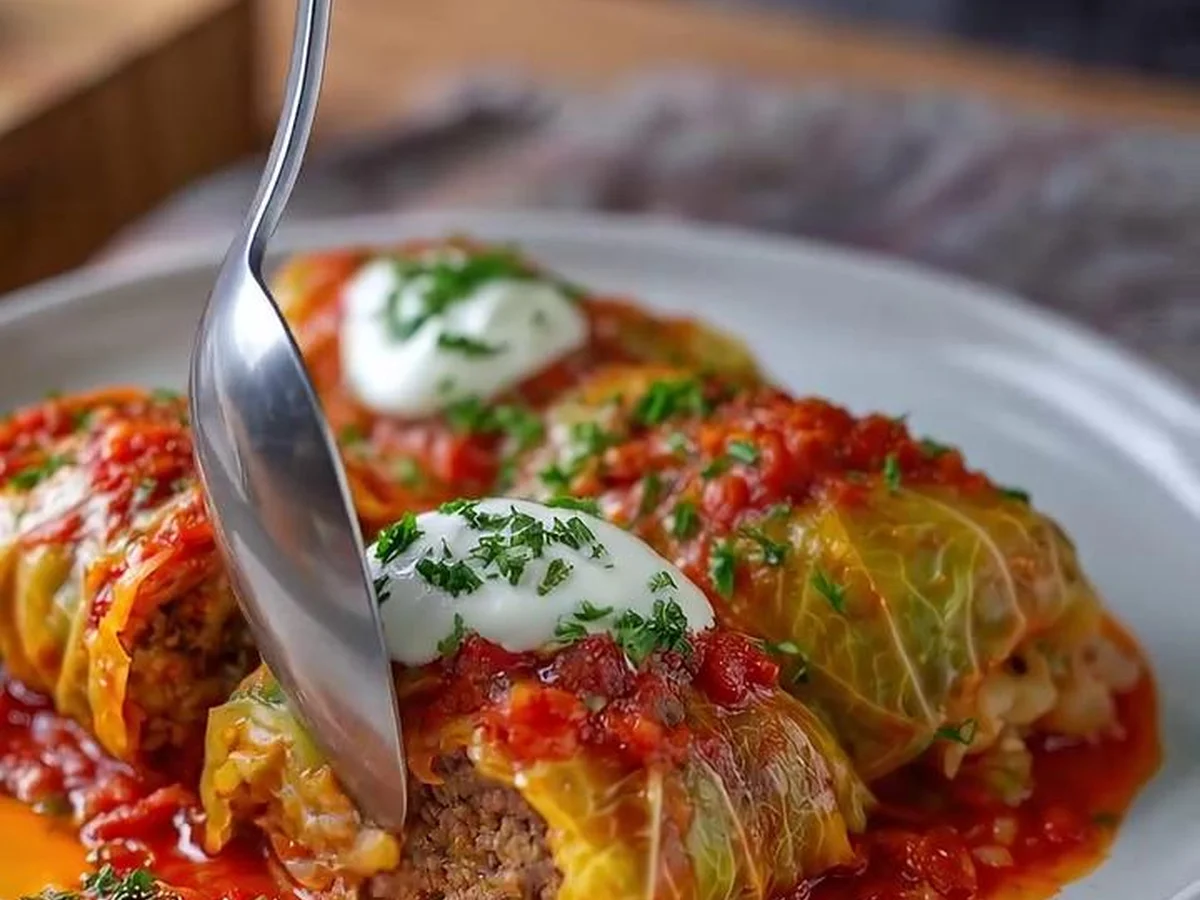
Stuffed cabbage rolls, also known as ‘holishkes’ or ‘pigs in a blanket,’ have earned their place as a beloved dish across various cultures. They’re a beautiful fusion of simple ingredients bringing together a medley of flavors that blend together perfectly. When you slice into a tender roll, you’re greeted by the harmonious layers of seasoned beef and fluffy rice, all wrapped snugly in a leaf of cabbage, imparting a satisfying crunch and mild flavor. Topped with a rich tomato sauce, each bite is a lip-smacking mixture of savory, tangy, and satisfying, akin to a warm hug on a plate. Whether they’re served as a main dish for a weeknight dinner or elegantly garnished for a special occasion, stuffed cabbage rolls are bound to impress.
The Origins and History
The history of stuffed cabbage rolls dates back centuries and spans numerous cultures, suggesting a rich tapestry of culinary exchange. This dish has roots in Eastern European cuisine, with various iterations found across the globe—from the Jewish ‘holishkes’ to the Middle Eastern ‘malfoof’ and the Mediterranean ‘dolma.’ The early iterations were often made with grape leaves, showcasing the resourcefulness of home cooks who used local produce to create filling meals. As people migrated and cultures blended, the humble cabbage leaf became a preferred choice for wrapping a delightful mixture of meat and rice, making it a staple in many households.
By the 19th century, cabbage rolls had made their way into the hearts (and stomachs) of countless families, embodying the spirit of comfort food. The dish’s adaptability allowed it to evolve with seasonal ingredients and regional spices, ensuring its place on tables around the world. From Polish celebrations to Middle Eastern feasts, stuffed cabbage rolls remain timeless, proving that great food can weave together different cultures while giving a nod to our shared love for good home cooking.
Why You Will Absolutely Love This Recipe
- Flavor Profile: The juxtaposition of tender cabbage leaves and a savory beef-and-rice filling, complemented by the tangy richness of tomato sauce, creates layers of flavor that are simply irresistible.
- Ease: This recipe does not require extensive culinary skills, making it accessible to both novice cooks and seasoned chefs alike. It’s straightforward, allowing for a rewarding cooking experience.
- Crowd-Pleaser: Perfect for family dinners or potlucks, stuffed cabbage rolls are a universal favorite. They can easily be scaled up to serve a larger gathering, ensuring everyone leaves satisfied.
- Leftovers: Like many comfort foods, the flavors of stuffed cabbage rolls deepen over time. They taste even better the next day, making them an excellent option for meal prep and lunches.
Deep Dive into the Ingredients
Understanding the role of each ingredient in stuffed cabbage rolls not only enhances the dish but also empowers you to make adjustments to suit your personal taste. Let’s break them down:
- Ground Beef (1½ pounds): The choice of ground beef brings richness and depth; however, feel free to experiment with ground turkey or a blend of meats for a lighter option. This allows for a customization that can cater to dietary restrictions while maintaining the savory essence.
- White Cabbage (1 head): White cabbage is preferred for its tender leaves that hold up well to being stuffed and baked. Some might opt for savoy cabbage for its sweetness and softer texture, providing an alternative twist that still captures the heart of this dish.
- Cooked Rice (1 cup, cooled): Rice serves as a filling agent and adds bulk. Using jasmine or basmati rice can impart subtle floral notes, while short-grain rice or quinoa offer a heartier texture. For a gluten-free option, consider substituting with grains like millet or buckwheat.
- Onion (1 small, finely chopped): Onions provide a depth of flavor when sautéed. You can opt for yellow or red onions based on your preference; shallots can add a more delicate sweetness.
- Garlic (2 cloves, minced): Fresh garlic is essential for building flavor. Roasting the garlic before adding it can introduce a sweeter, caramelized note, while a hint of garlic powder can work in a pinch.
- Tomato Sauce (1 can, 15 ounces): Tomato sauce serves as both a cooking medium and a flavorful base. For more complexity, consider blending in crushed tomatoes or diced tomatoes with herbs. You can even use homemade sauce for a unique touch.
- Diced Tomatoes (1 can, 15 ounces): The acidity from diced tomatoes brightens the dish and adds texture. Opting for fire-roasted tomatoes will elevate the flavor profile with a smoky undertone, making the rolls even more enticing.
Pro Tips for Perfect Results
To ensure your stuffed cabbage rolls are nothing short of spectacular, here are some technical tips:
- Preparation of Cabbage: Boiling the cabbage head for a few minutes softens the leaves, making them pliable. Alternatively, you can freeze the cabbage head overnight, which does the same job. This will help you achieve the desired tenderness without overcooking.
- Properly Seasoned Filling: Before assembling, taste a small amount of the meat filling to ensure it’s well-seasoned. This small step can significantly impact the dish’s overall flavor.
- Layering the Rolls: Place a generous spoonful of filling toward the stem end of each cabbage leaf, folding in the sides and rolling tightly. Ensure you do this with care; this tightness prevents the filling from spilling out during cooking.
- Cooking Technique: Allow the stuffed rolls to simmer gently in the sauce rather than boiling vigorously. This slow cooking method helps meld the flavors while ensuring the rolls remain moist and tender.
Serving and Pairing Suggestions
Stuffed cabbage rolls can be served with a variety of delicious sides. A fresh green salad drizzled with a light vinaigrette complements the richness of the rolls nicely. For a bit of crunch, consider serving with crusty bread or garlic knots for dipping into the sauce. For drinks, a glass of light red wine or a refreshing iced tea pairs beautifully. This dish is versatile enough to shine at intimate gatherings, holiday feasts, or even casual weeknight meals.
Storage, Freezing, and Reheating
To maximize freshness, store leftover stuffed cabbage rolls in airtight containers in the refrigerator for up to four days. For longer storage, freeze the rolls before cooking. Simply wrap them tightly in plastic wrap followed by foil to protect against freezer burn. When ready to enjoy, thaw in the fridge overnight and bake in the sauce until heated through. Reheating can also be done in a microwave at a lower power setting, ensuring they warm evenly without drying out.
Frequently Asked Questions (FAQ)
Can I use a different type of meat besides beef?
Yes, you can use ground turkey, chicken, or pork. A mixture of meats can also provide varied flavors and textures.
How do I make stuffed cabbage rolls vegan?
Substitute the ground beef with a combination of lentils, mushrooms, and walnuts for a hearty, fiber-rich filling. Use quinoa or rice as a binder.
What can I serve with stuffed cabbage rolls?
Roasted vegetables, mashed potatoes, or simply a light salad work well alongside this dish, providing balance to the meal.
How do I know when stuffed cabbage rolls are fully cooked?
The dish is done when the rolls are heated throughout, and the cabbage is tender. Internal temperature should read 165°F (74°C) if using a meat thermometer.
Conclusion
With their captivating flavors and tender textures, stuffed cabbage rolls are a delightful testament to comfort food’s power. Whether you’re making them for the first time or revisiting a cherished family recipe, this dish is sure to warm hearts and fill bellies.
The History of This Recipe
Stuffed cabbage rolls, known in various cultures as dolma, sarma, or golabki, have roots that trace back to ancient farming communities in the Mediterranean and Eastern Europe. These regions cultivated cabbage and other hearty vegetables, leading to the idea of wrapping savory fillings in leafy greens for preservation and flavor.
As trade routes expanded, different cultures adapted the dish by incorporating local spices, meats, and grains, enhancing the original recipe. Immigrants carried their beloved stuffed cabbage rolls to new lands, where they became a comfort food symbolizing family and tradition.
Today, variations of stuffed cabbage rolls exist worldwide, each bearing unique cultural influences and stories. Despite their differences, they universally represent the idea of nurturing and sharing culinary heritage.
Stuffed Cabbage Rolls
INGREDIENTS
- 1½ pounds ground beef
- 1 head white cabbage
- 1 cup cooked rice, cooled
- 1 small onion, finely chopped
- 2 cloves garlic, minced
- 1 can (15 ounces) tomato sauce
- 1 can (15 ounces) diced tomatoes
INSTRUCTIONS
Begin by preparing the cabbage. Bring a large pot of salted water to a boil. Carefully remove the core from the cabbage and gently place the whole head into the boiling water. Blanch the cabbage for about 2-3 minutes or until the outer leaves become tender. Carefully remove the cabbage and let it cool. Once cool enough to handle, peel away 12 leaves and set aside.
In a large skillet, heat the olive oil over medium heat. Add the finely chopped onion and garlic, sautéing until the onions are translucent, about 5-7 minutes.
In a large bowl, combine the ground beef, cooked rice, sautéed onion and garlic, parsley, salt, pepper, paprika, and thyme. Mix well until all the ingredients are thoroughly combined.
Place a cabbage leaf on a flat surface. Spoon about ¼ cup of the meat mixture onto the leaf, near the stem end. Fold in the sides and roll up tightly like a burrito. Repeat with the remaining leaves and filling.
In a large pot or Dutch oven, pour in half of the tomato sauce and spread evenly across the bottom. Arrange half of the cabbage rolls seam-side down in the pot. Pour half of the remaining tomato sauce over the rolls. Layer the remaining cabbage rolls on top and finish with the rest of the tomato sauce. If desired, add the diced tomatoes on top.
Cover the pot and cook the rolls over low heat for about 2 hours. Alternatively, you can place the covered pot in a preheated oven at 350°F (175°C) and bake for about 1½ to 2 hours.
Once cooked, remove from heat and let sit for a few minutes before serving. Drizzle with lemon juice if desired for added flavor.
Serve hot, garnished with fresh parsley, if desired.
Time & Calories
Total time: Approximately 2 hours and 30 minutes (including prep time)
Servings: 6-8
Estimated calories per serving: 350-400 calories
NOTES
Enjoy your delicious homemade Stuffed Cabbage Rolls !