Introduction
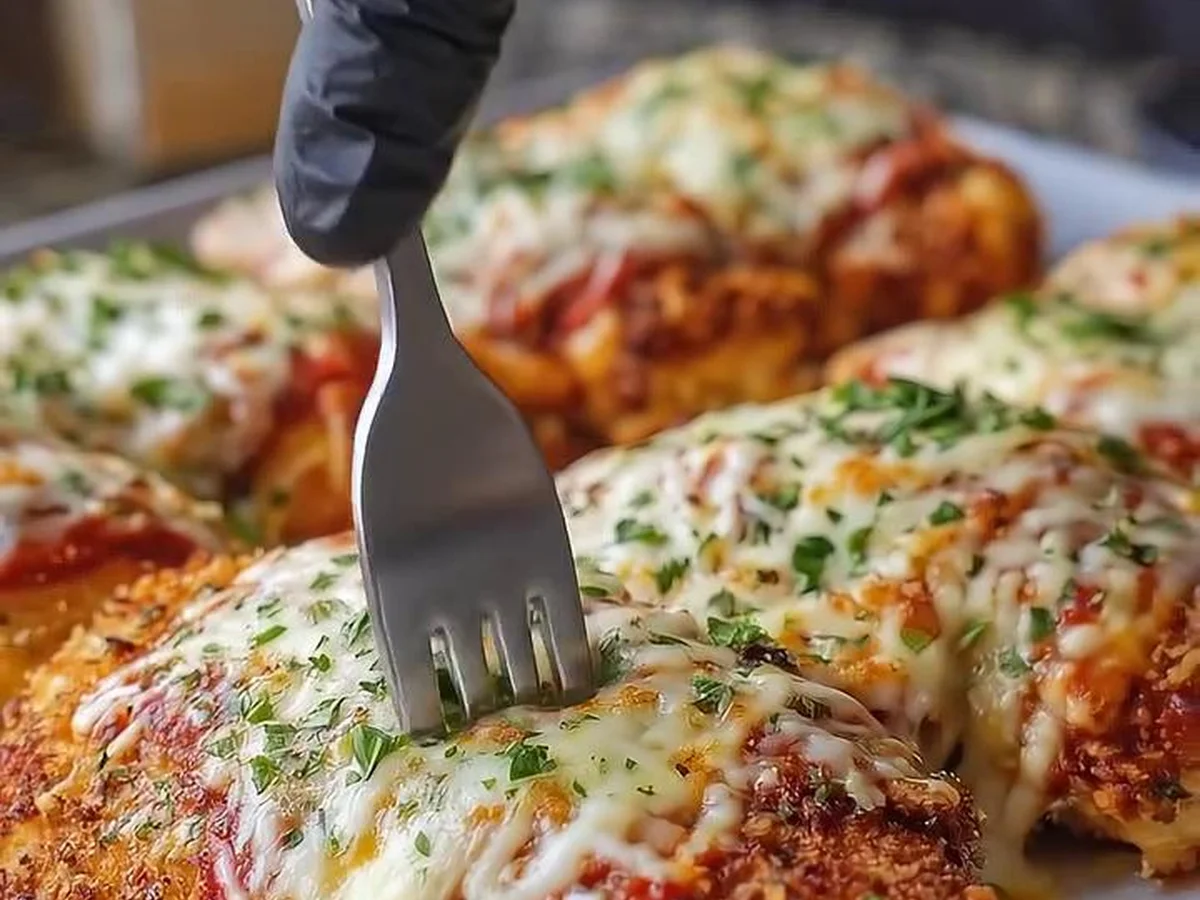
There’s something undeniably comforting about a classic dish of Chicken Parmesan. Nestled beneath a bubbling layer of mozzarella cheese, this dish embodies warmth and satisfaction with every delightful bite. The aroma of garlic and herbs wafting through the kitchen, mingling with the rich scent of marinara, beckons you like a culinary siren. This savory masterpiece—a fusion of Italian flavors and American ingenuity—has claimed its seat at dinner tables across the globe. When that golden-brown, breaded chicken is pulled from the oven, and the cheese stretches as you dish it out, your senses are enveloped in a bouquet of home-cooked love and nostalgia.
As a dish that beautifully balances textures and flavors, Chicken Parmesan boasts a crunchy crust that encases tender chicken while the sauce oozes underneath, offering a taste sensation that’s both indulgent and satisfying. It’s a meal designed for sharing, an easy crowd-pleaser that promises to convert even the pickiest of eaters. Whether enjoyed at a family gathering, a cozy weekend dinner, or even a romantic evening in, Chicken Parmesan holds a special place in the hearts (and stomachs) of many.
The Origins and History
Chicken Parmesan, or “Chicken Parmigiana,” can trace its roots back to Southern Italy, with its culinary lineage deeply embedded in the agricultural practices of the region and the traditional ways of cooking. Many culinary historians speculate that the dish evolved from the eggplant Parmesan dish, which has long been a staple in Italian cuisine, where fried eggplant slices were layered with marinara and cheese—deliciously rich and comforting.
The concept of breading and frying proteins was likely brought to the New World by Italian immigrants, who adapted their recipes with local ingredients. The practice of using chicken as a protein choice is largely attributed to the availability of poultry in the United States, and over time, Chicken Parmesan became synonymous with the quintessential Italian-American experience. Today, it is a representation of culinary fusion—melding Italian heritage with American tastes—a true testament to the evolution of global cuisine.
Why You Will Absolutely Love This Recipe
- Flavor Profile: The savory chicken, tangy marinara, and gooey mozzarella create a well-balanced symphony of flavors that tantalizes the taste buds.
- Ease of Preparation: With a relatively simple cooking technique, Chicken Parmesan can be made in under an hour, making it accessible for both novice cooks and experienced chefs.
- Crowd-Pleaser: Whether served at a family dinner or a casual get-together, it’s a dish everyone loves, appealing to kids and adults alike.
- Leftovers Delight: Chicken Parmesan makes for fantastic leftovers, allowing you to enjoy this scrumptious meal again with minimal effort, and it often tastes even better the next day!
Deep Dive into the Ingredients
Understanding the components of Chicken Parmesan is pivotal not only to mastering the dish but also to appreciating the delicate balance of flavors it encompasses. Here’s a closer look into each main ingredient:
- Chicken Breasts: The backbone of this dish, chicken breasts are chosen for their tender meat and ability to soak up flavors. When lightly pounded to an even thickness, they cook uniformly and remain juicy. For a healthier option, you could use chicken thighs, which offer more flavor and moisture.
- Bread Crumbs: They provide the delightful crispy exterior that’s essential to Chicken Parmesan. Opting for seasoned bread crumbs enhances the flavor while adding an additional layer of texture. Panko bread crumbs can also be utilized, offering an extra crunchiness due to their larger size.
- Grated Parmesan Cheese: This adds a sharp, nutty flavor to the breadcrumb mixture, contributing not only to the taste but also to the golden-brown topping. Freshly grated Parmesan is highly recommended as it melts better and has a more pronounced flavor when compared to pre-packaged varieties.
- Marinara Sauce: A good marinara is vital for the dish’s richness. An authentic, homemade sauce can elevate the final product significantly; however, store-bought sauces can save time without compromising quality if selected wisely—look for options with minimal preservatives.
- Shredded Mozzarella Cheese: The gooey, melting property of mozzarella is irreplaceable in this dish. You can choose fresh mozzarella for a creamier texture or low-moisture varieties for a more traditional effect.
- All-Purpose Flour: Flour serves as the first step in the breading process, helping the eggs stick to the chicken and creating a vital base for the crispy layer.
- Eggs: The egg wash binds the breading to the chicken, helping achieve that perfect golden crust. Beating the eggs beforehand allows for even coating and adherence.
Pro Tips for Perfect Results
To achieve Chicken Parmesan that sings with flavor and has the perfect crunch factor, consider these expert tips:
- Brining the Chicken: For extra juicy chicken, brine the breasts in a simple saltwater solution for about 30 minutes before cooking. This helps to retain moisture during the cooking process.
- Dredging Technique: Ensure thorough dredging: start by coating the chicken in flour, pat off the excess, dip it into the beaten eggs, and finally, roll it in the breadcrumb mixture. This tri-layer breading process creates the perfect crunchy exterior.
- Oven Temperature: Bake the Chicken Parmesan on a higher temperature, around 400°F (200°C), to develop a crispy surface without overcooking the chicken inside. Make sure to preheat the oven to maintain an even temperature throughout.
- Finishing Under the Broiler: For a beautifully browned cheese topping, switch to broil for the last few minutes of cooking. Watch it closely to avoid burning, as it can go from perfectly melted to charred in seconds!
- Resting Time: Allow the Chicken Parmesan to rest for a few minutes after baking. This helps the juices redistribute within the meat and ensures you have a juicy bite when you cut into it.
Serving and Pairing Suggestions
Chicken Parmesan is versatile with numerous pairing options. It shines next to a bed of spaghetti or a fresh green salad with tangy vinaigrette. Garlic bread is a classic side that couples perfectly with marinara sauce, providing an excellent vehicle for sopping up the flavors. As for drinks, pairing it with a light red wine—such as Chianti or Barbera—adds elegance and enhances the meal’s experience. It’s perfect for family dinners, casual gatherings, or even romantic date nights at home.
Storage, Freezing, and Reheating
Storing Chicken Parmesan correctly can extend its freshness. To store leftovers, place them in an airtight container in the refrigerator, where they’ll last for about 3-4 days. For longer storage, freeze individual portions wrapped in foil, then placed in freezer bags. It’s best to consume frozen Chicken Parmesan within three months for optimal flavor and texture. When reheating, do so in the oven at around 350°F (175°C) to retain the crispy texture of the breading, or in a microwave if you’re short on time—just be aware, it may not retain its initial crunch.
Frequently Asked Questions (FAQ)
1. Can I make Chicken Parmesan in advance?
Yes! You can prepare it ahead of time by breading the chicken and storing it in the fridge until you’re ready to bake. Alternatively, you can assemble everything in a baking dish, cover it tightly, and refrigerate it until you’re ready to cook.
2. Is there a gluten-free option for this dish?
Absolutely! Substitute plain breadcrumbs with gluten-free bread crumbs, and use a gluten-free flour for dredging. There are many gluten-free products available that maintain a delicious crunch.
3. Can I make a vegetarian version?
Yes, you can easily replace the chicken with eggplant, zucchini, or even cauliflower steaks. Prepare and cook them the same way as the chicken for a satisfying vegetarian alternative.
4. How can I add more flavor to the marinara sauce?
You can add fresh herbs such as basil or oregano, a splash of red wine for depth, or a pinch of crushed red pepper for a bit of heat. Sautéing some garlic and onions before adding your tomatoes can also amplify its flavors.
5. What side dishes go well with Chicken Parmesan?
Beyond the classic pasta, consider serving it with roasted vegetables, a Caesar salad, or a simple arugula salad tossed in lemon vinaigrette to balance the richness of the chicken.
The History of This Recipe
Chicken Parmesan is believed to have its roots in Italian cuisine, specifically from the southern regions, where a staple of breaded and fried meats is cherished. Its name derives from Parmesan cheese, which is often used to top the dish, giving it a rich flavor that has captivated palates across the globe.
As Italian immigrants settled in America during the late 19th and early 20th centuries, they adapted traditional recipes to incorporate locally available ingredients. This led to the marriage of breaded chicken cutlets with marinara sauce and melted cheese, resulting in the iconic dish we know today.
Over time, Chicken Parmesan has transformed into a beloved comfort food, often served with pasta or on a sub roll. Its popularity continues to grow, making it a staple in both Italian restaurants and home kitchens across the world.