Introduction
There’s something undeniably alluring about the Tomahawk Ribeye Steak, a beautiful, bone-in behemoth that can elevate any meal into a once-in-a-lifetime dining experience. As you approach it, the sight of its strikingly long bone and rich marbling can take your breath away, drawing you in with the promise of deep, umami flavors that are both comforting and indulgent. The aroma wafting from the grill or pan sizzles with anticipation, teasing your taste buds as the rich scent of caramelizing meat dances through the air. Each bite promises a melt-in-your-mouth tenderness coupled with robust flavors that only a prime cut of beef can deliver.
The popularity of the Tomahawk Ribeye is not just a fleeting trend. This grand cut has solidified its place in both restaurants and homes around the world. It’s a feast for the senses, whether served at a lavish dinner party or simply enjoyed as a special mid-week treat. The way it captivates diners and brings friends and family to the table is what makes this steak the epitome of comfort food, marrying together the rustic charm of steakhouse dining with the warmth of a home-cooked meal.
The Origins and History
The Tomahawk Ribeye hails from the heart of cattle ranching in the United States, where the link between culinary tradition and high-quality beef cuts runs deep. This impressive steak cut is part of the rib section, known for its marbled fat that necessitates a delicate approach to cooking. The ribeye itself has roots that trace back to the early 19th century, as cattle ranching became a pivotal pillar in American agriculture.
The “Tomahawk” descriptor was inspired by the steak’s long bone, resembling the traditional Native American axe, which has been a symbol of strength and pride. This connection to indigenous heritage adds an interesting dimension to the dish’s allure. Today, as metropolitan chefs have embraced the farm-to-table movement, the Tomahawk Ribeye stands tall as a representation of both aggression in cooking technique and reverence for high-quality ingredients. Whether grilled, roasted, or smoked, the Tomahawk has transcended culinary boundaries, winning hearts and palates across cultures.
Why You Will Absolutely Love This Recipe
- Flavor Profile: The Tomahawk Ribeye boasts a rich buttery flavor with a hint of nuttiness thanks to its marbling, creating a complex taste that’s hard to beat.
- Ease of Preparation: With a few key ingredients and techniques, this steak can be transformed into a gourmet dish without a fuss. Even novice cooks can achieve impressive results.
- Crowd-Pleaser: Whether it’s a birthday, anniversary, or casual gathering, serving a Tomahawk is sure to wow your guests, making you the star of the evening.
- Delicious Leftovers: If you’re lucky enough to have leftovers, the steak can be repurposed into delicious sandwiches, salads, or breakfast hashes, extending your culinary adventure.
Deep Dive into the Ingredients
To create the ultimate Tomahawk Ribeye experience, the quality and choice of ingredients are absolutely crucial.
Tomahawk Ribeye Steak: This cut of meat is unique for its impressive thickness (2-3 inches) and the long rib bone that adds both flavor and a striking presentation. The marbling in the meat is what makes it so tender and flavorful when cooked correctly. Opt for a well-marbled pound of beef sourced from a reputable butcher or trusted suppliers, as this ensures quality that reflects in taste and tenderness.
Kosher Salt: While any salt can technically be used, kosher salt is preferred because it has larger grains that make it ideal for dry brining. This allows the steak to absorb moisture and seasoning better. The crunchy texture of kosher salt can also provide a delightful contrast to the soft juiciness of the cooked meat, enhancing the flavor profile.
Freshly Ground Black Pepper: Using freshly ground pepper adds a bright, pungent kick to the steak that pre-ground pepper cannot provide. The essential oils released during grinding create a more intense and aromatic flavor, booming in tandem with the garlic and the natural, savory taste of the beef.
High Smoke-Point Oil: Oils like canola or grapeseed oil are favored for searing because they can withstand the high temperatures needed to develop a perfect crust on the steak. This not only prevents smoking but also maximizes caramelization, leading to that deeply flavored, golden-brown crust that we all crave.
Substituting any of these ingredients can lead to varying results. If kosher salt is unavailable, sea salt can work in a pinch, but the texture will differ. When it comes to oil, avoid using anything like olive oil due to its lower smoke point. And while alternatives to Tomahawk cuts exist, such as porterhouse or T-bone steaks, they won’t quite capture the drama and grandeur of the Tomahawk experience.
Pro Tips for Perfect Results
To achieve the best results with your Tomahawk Ribeye, it’s crucial to follow a few professional tips:
- Let it Rest: Before cooking, always allow the steak to come to room temperature. About 30-60 minutes outside the fridge can transform its cooking process, leading to even cooking and enhanced flavor.
- Season Generously: Don’t shy away from seasoning. Generously apply kosher salt and freshly ground black pepper at least 45 minutes before cooking. This practice will allow the salt to penetrate, enhancing flavor and tenderness.
- High Heat Sear: When searing, ensure your pan or grill is preheated to a high temperature. This is crucial for achieving that coveted crust. Once you place the steak down, don’t move it until it’s time to flip, allowing it to form a perfect sear.
- Finishing Temperature: Use a meat thermometer to ensure accuracy. Medium-rare is typically between 130°F and 135°F. Allow the steak to rest for at least 10-15 minutes after cooking to let juices redistribute.
Serving and Pairing Suggestions
When it comes to serving your Tomahawk Ribeye, keep it simple to showcase the grandeur of the dish. Classic side dishes such as roasted garlic mashed potatoes, sautéed asparagus, or a refreshing arugula salad can complement your steak perfectly. For a drink pairing, a full-bodied red wine like Cabernet Sauvignon or Malbec works wonderfully, balancing the richness of the beef. Whether celebrating a special occasion or simply enjoying a weekend meal with loved ones, indulging in a Tomahawk Ribeye can turn any gathering into a memorable feast.
Storage, Freezing, and Reheating
As leftover Tomahawk Ribeye can be an unexpected yet delightful treat, it’s essential to store it properly. Allow the steak to cool to room temperature before wrapping it tightly in plastic wrap or placing it in an airtight container. It can be stored in the refrigerator for up to 3 days. For longer storage, consider freezing some portions. Wrap them in a freezer-safe container or vacuum-sealed bag to ensure they remain fresh for up to 3 months. When reheating, do so gently—preferably in an oven at low heat to retain juiciness, or slice it thinly for use in sandwiches or salads.
Frequently Asked Questions (FAQ)
- What is the best way to cook a Tomahawk Ribeye? The best way is to sear it over high heat and then finish it in a preheated oven or on the grill for more control over the doneness.
- How long should I let the steak rest? Resting for at least 10-15 minutes after cooking is crucial for retaining juices and enhancing tenderness.
- Can I use a gas grill for cooking? Absolutely! Ensure that your gas grill is preheated to high temperatures before placing the steak on it for optimal searing.
- What sides pair best with Tomahawk Ribeye? Classic accompaniments such as garlic mashed potatoes, grilled vegetables, or a light salad go exceptionally well.
- Why is the Tomahawk so expensive? The Tomahawk Ribeye is a premium cut known for its impressive marbling and the skill required to butcher it. Additionally, its presentation enhances its demand, contributing to a higher price tag.
Conclusion
Indulging in a Tomahawk Ribeye Steak is an experience that brings together culinary prowess and flavorful enjoyment, making it perfect for any occasion. As you embark on this cooking adventure, remember that the key lies in patience, quality ingredients, and appreciation for the process. Happy cooking!
The History of This Recipe
The Tomahawk Ribeye Steak originated from the practice of butchering ribeye steaks with a long bone left intact, resembling the shape of a Native American tomahawk. This method was crafted by skilled butchers who sought to create a visually impressive presentation for premium cuts of beef.
The cut is derived from the rib section of the cow, especially known for its rich marbling and robust flavor. As the steak began to gain popularity in high-end steakhouses, its dramatic appearance captured the attention of food enthusiasts and chefs alike.
Social media further propelled the Tomahawk Ribeye into the limelight, leading to viral posts featuring the massive, bone-in steak. Today, it is celebrated not only for its flavor but also as a centerpiece for special occasions and gatherings.
Tomahawk Ribeye Steak
INGREDIENTS
- 1 tomahawk ribeye steak (about 2-3 inches thick)
- Kosher salt
- Freshly ground black pepper
- High smoke-point oil (such as canola or grapeseed oil)
INSTRUCTIONS
Remove the tomahawk ribeye from the refrigerator and let it come to room temperature, about 1 hour before cooking.
Preheat your grill or a cast-iron skillet over high heat. If using a grill, ensure it’s set up for direct heat.
Pat the steak dry with paper towels to remove moisture and ensure a good sear.
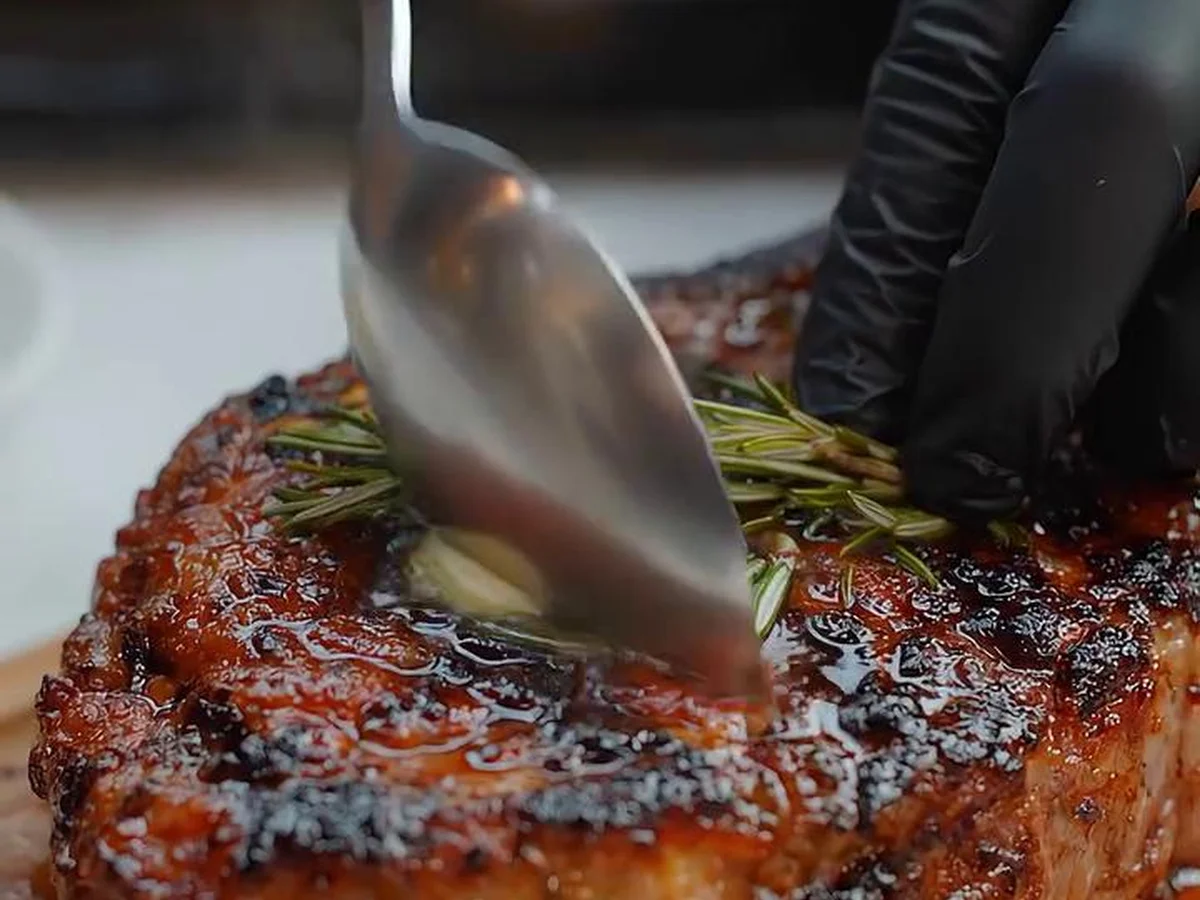
Generously season both sides of the steak with kosher salt and freshly ground black pepper. If desired, you can also add crushed garlic and sprigs of rosemary or thyme on top.
Add a small amount of high smoke-point oil to the grill or skillet (if using). If grilling, oil the grates to prevent sticking.
Place the steak on the grill or skillet and sear for about 4-5 minutes without moving it, until a dark crust forms.
Flip the steak and sear the other side for another 4-5 minutes.
For a perfect medium-rare steak, rotate it 90 degrees halfway through both sides for crosshatch grill marks, and use a meat thermometer to check for doneness (internal temperature of 130°F).
If the steak is not cooked to your desired level, move it to indirect heat (if grilling) or lower the heat on the skillet and continue cooking until the desired temperature is reached.
Once done, remove the steak from the heat and let it rest on a cutting board for about 10-15 minutes. This allows the juices to redistribute throughout the meat for optimal flavor.
After resting, slice the steak against the grain, and serve it with your favorite sides.
Time & Calories:
Total Time: Approx. 1.5 hours (including resting time)
Calories: Approximately 1,200 calories per steak (varies based on portion size and sides served)
NOTES
Enjoy your delicious homemade Tomahawk Ribeye Steak !