Introduction
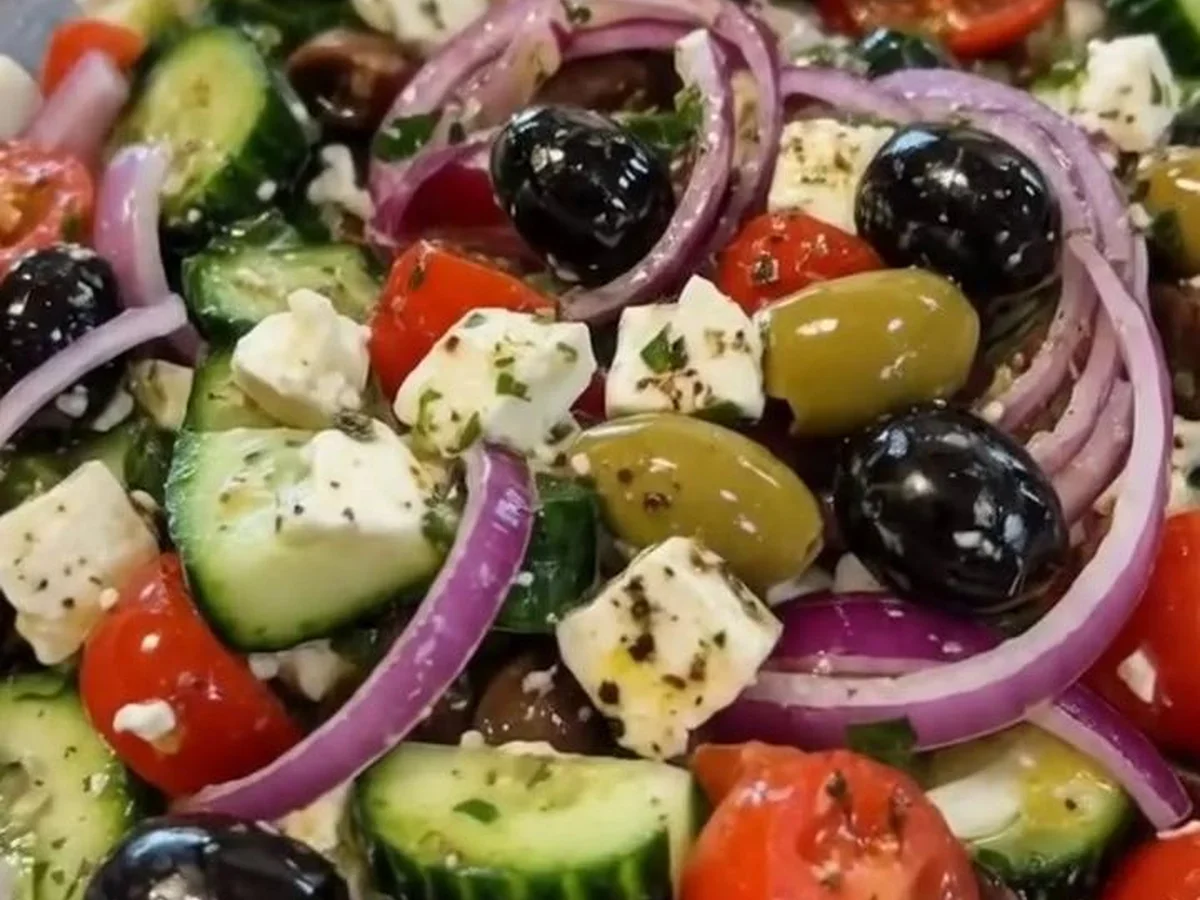
If culinary simplicity could find an ambassador, it would undoubtedly be the Classic Greek Salad. With its vibrant medley of fresh ingredients, this salad transcends mere nutrition to evoke the sun-soaked landscapes of Greece, beckoning you to savor each crisp bite. As the sweetness of ripe tomatoes dances with the crunch of cucumbers, and the rich tang of feta cheese playfully nudges the briny delight of Kalamata olives, a tapestry of flavors unfolds that is at once refreshing and satisfying. This dish is not just food; it’s a sensory experience, commanding an embrace of taste and aroma that feels utterly comforting yet invigorating. The earthy scent of fresh-cut vegetables complements the warm, golden fragrance of extra virgin olive oil, creating a dish that nourishes both the body and soul. A staple among Mediterranean cuisine, Greek salad is perfect for any season, and its popularity continues to grow worldwide as more people discover its magnificent ease and flavor. Join me on this journey as we explore the nuances of the Classic Greek Salad, ensuring that every forkful bursts with the essence of Grecian hospitality.
The Origins and History
The roots of the Greek salad, known locally as “Horiatiki,” extend deep into the heart of Greek culture, where meals have historically reflected the local landscape and agricultural bounty. This dish is a celebration of simplicity and freshness, relying on locally sourced ingredients that have been staples for centuries. Dates suggest it emerged as a rustic peasant dish, designed to be both nourishing and easy to prepare for the rural inhabitants of Greece. Traditionally, it served as a way to repurpose leftover vegetables and cheese, showcasing the artistry of transforming humble ingredients into a refreshing feast. The salad’s global popularity rose significantly during the mid-20th century, driven by the Mediterranean diet’s health benefits, alongside tourism that brought foreign visitors flocking to absorb the essence of Greek life. Today, the Classic Greek Salad stands as a symbol of Mediterranean cuisine and culture, embodying a blend of history, tradition, and the philosophy of eating well for a longer life.
Why You Will Absolutely Love This Recipe
- Flavor Profile: This salad offers an exceptional balance of sweetness from the tomatoes, crunch from the cucumbers, bitterness from the onion, and saltiness from the olives and feta, creating a flavor explosion with every bite.
- Ease of Preparation: With minimal preparation time, this dish can be assembled in under 15 minutes, making it an excellent choice for busy weeknights or last-minute gatherings.
- Crowd-Pleaser: Whether served at a family gathering, barbecue, or dinner party, a Classic Greek Salad is sure to appeal to a wide range of palates, making it a guaranteed hit.
- Leftovers: With its hearty and robust ingredients, this salad can be kept for a few days in the refrigerator, improving in flavor as the components meld together over time.
Deep Dive into the Ingredients
The beauty of the Classic Greek Salad lies within its straightforward yet premium ingredients. Each component plays a crucial role in crafting that signature flavor, texture, and aesthetic. Let’s break down the ensemble:
- Tomatoes: Choose ripe, juicy tomatoes for this salad, as they provide the fundamental sweetness and moisture that serve as the base. Heirloom or on-the-vine tomatoes are preferred for their robust flavor and vibrant color. If tomatoes are not in season, consider using cherry tomatoes for a burst of sweetness.
- Cucumber: The crunch of a fresh cucumber adds a refreshing element to the salad. Peeled Persian or English cucumbers retain their crispness and flavor without being overly seedy, making them the go-to choice. If you’re feeling adventurous, try substituting with radishes for an unexpected kick!
- Red Onion: Thinly sliced red onion contributes a notable crunch and mild sharpness, balancing the sweetness and saltiness in the dish. Soaking sliced onion in cold water for a few minutes can help reduce its pungency, making it less overpowering.
- Green Bell Pepper: Adding a slightly bitter crunch, green bell peppers enhance the color and depth of flavor in your salad. However, you can choose colorful bell peppers like red or yellow for a sweeter touch if desired.
- Kalamata Olives: The pitted Kalamata olives are essential for their traditional brininess, providing a salty counterbalance to the fresh vegetables. Substituting with green olives is possible, but it will alter the overall flavor profile.
- Feta Cheese: Crumbled or cubed feta cheese introduces a delightful creaminess, tanginess, and richness, elevating the salad to new heights. Opt for high-quality feta, ideally made from sheep’s milk, as its richness infuses the salad with that iconic flavor.
- Extra Virgin Olive Oil: The choice of olive oil is crucial—it should be fragrant, rich, and possibly fruity to complement the salad. It pulls all elements together, creating an inviting and luscious dressing without the need for additional spices.
Pro Tips for Perfect Results
Achieving a spectacular Classic Greek Salad is about more than just gathering ingredients; it’s an art form that requires attention to detail. Here are some pro tips to ensure perfection:
- Ingredient Quality: The success of this dish predominantly relies on the quality of its components. Opt for seasonal, local produce to achieve the peak flavor and freshness.
- Cut Uniformly: Ensuring each ingredient is cut into similar-sized pieces will not only enhance the visual appeal of your salad but also provide a cohesive bite every time.
- Marinate Before Serving: For the best flavor, allow the olive oil, tomatoes, and onions to marinate for a while before serving. This step helps develop a beautiful interplay of flavors as the ingredients infuse into one another.
- Presentation Matters: Consider an appealing presentation by layering the ingredients rather than mixing everything in a bowl. Use a large platter or bowl and arrange the components artfully; drizzle the olive oil atop to finish.
Serving and Pairing Suggestions
Classic Greek Salad is incredibly versatile and works beautifully alongside a variety of dishes. It pairs well with grilled meats, such as chicken, pork, or lamb, accentuating the flavors of the protein while providing a fresh contrast. Alternatively, you can serve it as a light main course alongside crusty bread to soak up the juices. For an ideal beverage pairing, consider a chilled glass of dry white wine, such as Sauvignon Blanc, or a refreshing lemonade, which complements the tanginess of the feta and the saltiness of the olives.
Storage, Freezing, and Reheating
To keep your Classic Greek Salad fresh, store it in an airtight container in the refrigerator. It will last up to three days, allowing for those lovely flavors to meld beautifully over time. However, avoid dressing the salad until you’re ready to serve it to maintain the crispness of the veggies. Freezing is not recommended due to the texture changes in cucumbers and tomatoes; they may become mushy upon thawing. For leftovers, simply toss with a drizzle of olive oil before serving to revive its vibrant flavors.
Frequently Asked Questions (FAQ)
- Can I make Greek salad ahead of time? Yes! This salad can be prepared a few hours ahead. However, it’s recommended to add the dressing just before serving to retain the crispness of the vegetables.
- What can I add to Greek salad for additional protein? Consider adding grilled chicken, chickpeas, or even tuna for a protein boost, making it more substantial for a meal.
- Can I use other cheeses in place of feta? While feta cheese is traditional, you can substitute with goat cheese or even a vegan cheese alternative for different textures and flavors.
- Is Greek salad gluten-free? Yes, the Classic Greek Salad is naturally gluten-free, making it an excellent dish for individuals with gluten sensitivities.
- What variation can I make for a spicier version? You can add some sliced Jalapeños, black olives, or even a sprinkle of red pepper flakes to up the heat!
Conclusion
The Classic Greek Salad is more than a dish; it’s a vivid representation of Mediterranean culture and a celebration of fresh produce. With flavors that tell a story and a straightforward approach to preparation, it’s bound to earn a staple role in your culinary repertoire. Discover the joy of assembling it, and savor the tradition—one bite at a time.
The History of This Recipe
The origins of the Classic Greek Salad date back to ancient Greece, where fresh, local ingredients were celebrated in simple dishes. Farmers and villagers would craft meals from what they could grow or harvest, leading to the creation of vibrant salads featuring tomatoes, cucumbers, and olives.
This beloved dish gained international recognition in the mid-20th century as Greek cuisine became popular in many parts of the world. It became a staple at tavernas and restaurants, often accompanied by feta cheese and olive oil drizzled on top.
Today, the Classic Greek Salad embodies the essence of Mediterranean life, celebrating seasonal produce and healthful eating. Its colorful combination of flavors and textures continues to captivate food lovers around the globe.
Classic Greek Salad
INGREDIENTS
- 4 ripe tomatoes, diced
- 1 large cucumber, peeled and diced
- 1 medium red onion, thinly sliced
- 1 green bell pepper, sliced
- 1 cup Kalamata olives, pitted
- 200g feta cheese, cubed or crumbled
- 1/4 cup extra virgin olive oil
INSTRUCTIONS
Start by preparing the vegetables: wash the tomatoes and cucumber. Dice the tomatoes into bite-sized pieces and peel and dice the cucumber. Thinly slice the red onion and slice the green bell pepper.
In a large mixing bowl, combine the diced tomatoes, cucumber, sliced red onion, and green bell pepper.
Add the Kalamata olives to the vegetable mixture.
If you prefer crumbled feta, crumble it over the vegetable mix, or if using cubed feta, add the cubes on top.
In a separate small bowl, whisk together the olive oil, red wine vinegar, dried oregano, salt, and freshly ground black pepper to create the dressing.
Drizzle the dressing over the salad mixture and gently toss to combine, making sure everything is evenly coated.
Taste and adjust the seasoning with additional salt or pepper if needed.
Let the salad sit for at least 10 minutes before serving to allow the flavors to meld.
Serve chilled or at room temperature, garnished with a sprinkle of extra oregano if desired.
Time & Calories:
Preparation Time: 15 minutes
Total Time: 15 minutes
Estimated Calories per serving: 200 calories (based on 4 servings)
NOTES
Enjoy your delicious homemade Classic Greek Salad !