Introduction
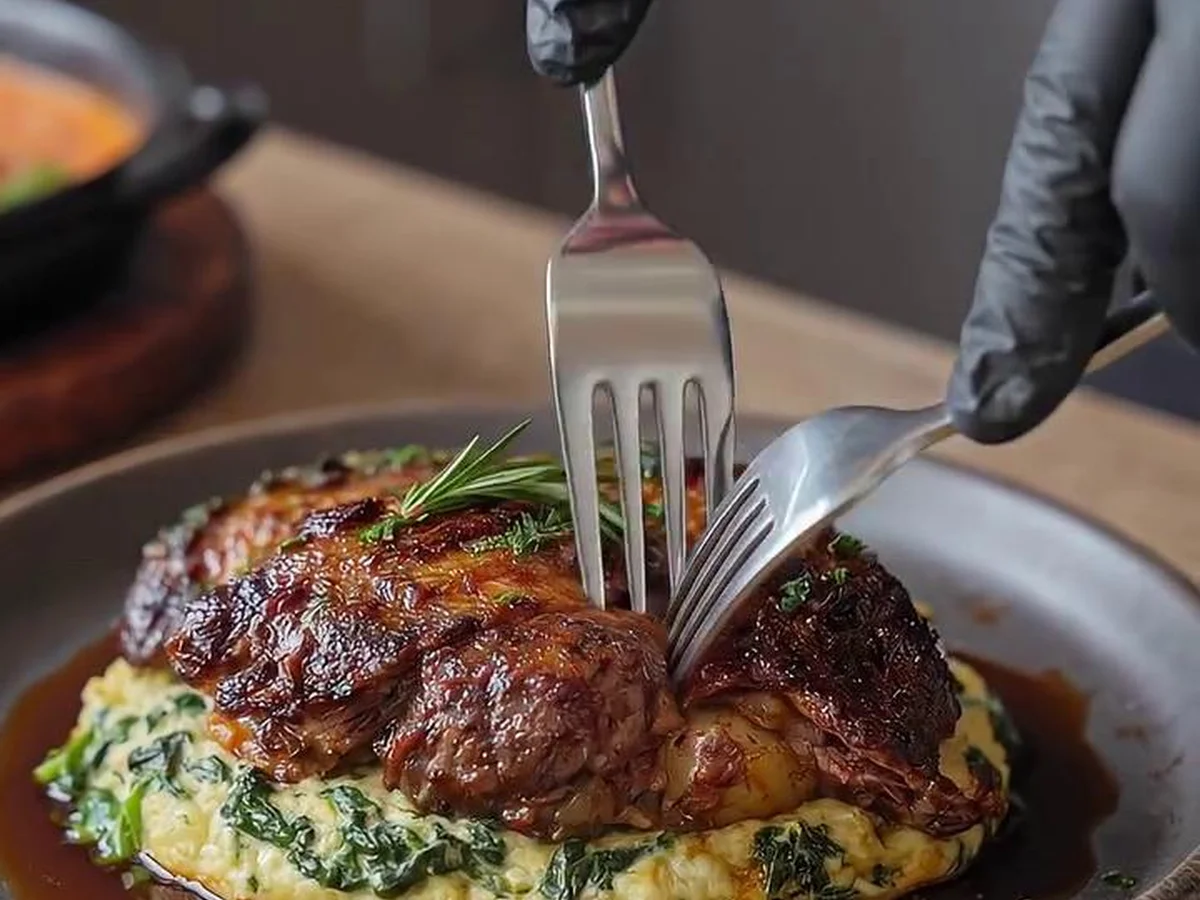
Imagine entering your kitchen on a chilly evening, the warm scent of braised beef wafting through the air, beckoning you to the dinner table. This is the essence of cooking beef shank—a deeply satisfying comfort food that not only warms your body but also soothes your soul. The moment you watch the thick cut of meat transform as it braises, its texture becoming fork-tender and its flavors intensifying, you can’t help but feel enveloped in a cocoon of happiness and nostalgia. Beef shank is a dish that transcends cultures and brings people together, often served in family-style gatherings or intimate dinners. Rich, hearty, and utterly delicious, this dish is as much about the experience of cooking as it is about the meal itself.
As the beef shank simmers slowly in fragrant broth, you’ll notice how the aroma dances through your home, inviting everyone into the kitchen. The smell of caramelized onions mingling with garlic, the sweetness of tender carrots, and the earthy notes of fresh celery create an intoxicating bouquet. This dish is not just food; it’s a sensory experience that lingers in your memory long after the last bite. Let’s take a journey together as we explore the fascinating world of beef shank, uncover its story, and learn to bring this comforting dish to your table.
The Origins and History
Beef shank may seem like a humble cut at first glance, but its history is rooted in ancient culinary traditions that celebrate the art of slow-cooking. Traditionally, cuts of meat like shank were favored by home cooks seeking flavorful, cost-effective options. Early civilizations understood the value of less tender cuts, using methods such as braising and stewing to coax out the rich flavors locked within the meat’s fibers. This practice is especially prevalent in cuisines around the world, including Italian, French, and even Asian culinary traditions.
In countries like Italy, the dish known as “Osso Buco” not only embraces the shank’s deliciously tough nature but also showcases the marrow hidden within the bone—a prized delicacy. Meanwhile, in French cuisine, similar preparations can be found in classic dishes like “Boeuf Bourguignon.” The focus on elevating lesser cuts of beef not only maximizes flavors but also brings with it a deep sense of frugality and resourcefulness. Hence, the beef shank has become a staple in homes where hearty comfort is sought and flavor is cherished.
Why You Will Absolutely Love This Recipe
- Flavor Profile: The incredibly rich, deep flavors that develop from slow cooking beef shank are nothing short of extraordinary. The marrow enhances the stock, providing a silky, savory base.
- Ease: This recipe is mostly hands-off—once you sear the meat and assemble your ingredients, the dish practically cooks itself. It’s perfect for busy evenings.
- Crowd-Pleaser: Whether it’s a casual family dinner or a fancy holiday gathering, beef shank is sure to impress everyone around the table. Its robust flavor will leave them craving for more.
- Leftovers: The magic of this dish lies in its ability to taste even better the next day. The flavors continue to meld, making it a fantastic option for meal prep.
Deep Dive into the Ingredients
The primary ingredient in our dish, beef shank, is characterized by its rich flavor and gelatinous texture, which is derived from the meat’s tough lean fibers and connected tissue. When cooked slowly, these elements break down, resulting in a tender cut of meat full of flavor. Choosing a large, well-marbled beef shank ensures a succulent end product. You might consider sourcing grass-fed beef for even greater flavor and nutritional benefits.
Moving on to the vegetables, olive oil is a critical ingredient that serves as a base for sautéing. It not only adds flavor but also aids in tenderizing the meat during the cooking process. Onions and garlic are timeless aromatics; their sweetness and pungency heighten the overall profile of the dish. A large onion, chopped to just the right size, serves as a flavor base, while the minced garlic adds depth with its sharp notes.
Carrots and celery, known as the holy trinity of flavor in many kitchens, offer earthy notes that counterbalance the richness of the beef. Their natural sweetness and crunch enhance the dish’s texture, while also imparting a lovely color. Don’t hesitate to personalize your vegetable components; for instance, parsnips and leeks can be delightful substitutions. Lastly, the four cups of beef broth tie everything together, delivering moisture and enhancing the meat’s natural flavors. Homemade broth is ideal, but quality store-bought options also perform well if time is limited.
Pro Tips for Perfect Results
To achieve perfectly braised beef shank, start by carefully searing the meat. Pat it dry to encourage a nice, even browning that adds a depth of flavor and texture. Don’t rush this process; allow the meat to develop a beautiful crust before flipping. Additionally, sauté your aromatics until just golden. This step extracts maximum flavor and creates a fond at the bottom of the pot, which will elevate the broth when deglazed.
When you add your beef broth to the pot, be sure to scrape up the caramelized bits—the more flavor, the better! Also, consider covering the pot with a tight lid to trap steam and moisture during braising to prevent the beef from drying out. Adjust the cooking time according to the size of your beef shank; larger cuts can benefit from longer cooking times, yielding a more tender result. Lastly, patience is key; allow the beef to rest after cooking to retain its juices and enhance the overall taste.
Serving and Pairing Suggestions
Beef shank is best served piping hot, accompanied by a variety of side dishes that complement its rich flavors. Creamy mashed potatoes, polenta, or sautéed greens are excellent companions, providing a hearty base to soak up the delicious broth. For a refreshing contrast, consider serving a simple arugula salad with lemon vinaigrette. As for beverages, a full-bodied red wine like Cabernet Sauvignon or a robust stout or porter can beautifully accentuate the meal. Hosting a dinner party? This dish is ideal for occasions where you want to impress without spending your entire evening in the kitchen!
Storage, Freezing, and Reheating
If you’re fortunate enough to have leftovers, storing them properly is key to maintaining flavor. Allow the beef shank to cool completely before transferring it to an airtight container. It can be kept in the refrigerator for up to three days. For longer storage, consider freezing portions—this dish can last up to three months in a sealed freezer bag. When ready to serve, thaw overnight in the refrigerator and reheat gently on the stovetop, adding a splash of broth to restore moisture.
Frequently Asked Questions (FAQ)
Can I cook beef shank in a slow cooker?
Absolutely! To adapt this recipe for a slow cooker, sear the meat and sauté the aromatics as directed, then transfer everything into the slow cooker with the broth. Cook on low for 6-8 hours or until the meat is tender.
Is beef shank healthy?
Yes! Beef shank is a good source of protein and essential vitamins and minerals, including iron and zinc, though it is best enjoyed in moderation due to its rich nature.
What can I do with leftover beef shank?
Shredded beef shank makes for delicious tacos, sandwiches, or even as a topping on a loaded baked potato. Get creative!
How do I know when the beef shank is done?
The beef is done when it easily shreds with a fork or if it reaches an internal temperature of 190°F. Juices should run clear, not pink.
Conclusion
Cooking beef shank is a rewarding experience that encapsulates the heart of comfort food while celebrating the art of slow cooking. With a few tips and the right ingredients, you can bring this flavorful dish to your table, creating warm memories for you and your loved ones.
The History of This Recipe
The origin of Beef Shank traces back to ancient times when cattle were first domesticated for their meat. As communities began to cultivate their culinary traditions, the shank, a tough yet flavorful cut from the leg, emerged as a staple in hearty meals.
Traditionally, this cut was slow-cooked to break down its tough fibers, transforming it into a tender delicacy that nourished families for generations. Over time, various cultures adapted their cooking techniques, infusing local spices and flavors, further enhancing the shank’s appeal.
Today, Beef Shank is celebrated worldwide, from comforting stews to gourmet dishes. Its rich history and versatility ensure it remains a beloved ingredient in kitchens everywhere.
Beef Shank
INGREDIENTS
- 1 large beef shank
- 2 tablespoons olive oil
- 1 large onion, chopped
- 3 cloves garlic, minced
- 2 carrots, chopped
- 2 celery stalks, chopped
- 4 cups beef broth
INSTRUCTIONS
Begin by heating the olive oil in a large pot or Dutch oven over medium-high heat.
Season the beef shank generously with salt and pepper.
Once the oil is hot, sear the beef shank in the pot, browning it on all sides for about 4-5 minutes per side. Remove the beef shank from the pot and set aside.
In the same pot, add the chopped onion and sauté for about 3-4 minutes, until it becomes translucent.
Add the minced garlic, carrots, and celery to the pot, cooking for an additional 3-4 minutes until vegetables start to soften.
Stir in the diced tomatoes, tomato paste, thyme, and rosemary, mixing well to combine with the vegetables.
Return the beef shank to the pot and pour in the beef broth, ensuring the meat is mostly covered. Bring the mixture to a simmer.
Reduce the heat to low, cover the pot, and let it cook for about 2.5 to 3 hours, or until the beef is very tender and easily falls off the bone. Check occasionally and stir to prevent sticking.
Once cooked, carefully remove the beef shank and let it rest for a few minutes before slicing or shredding the meat.
Skim any excess fat from the surface of the gravy if necessary. Adjust seasoning with salt and pepper to taste.
Serve the beef shank slices or shreds with the gravy on top, garnished with fresh parsley.
Time & Calories
Total time: Approximately 3.5 hours
Calories: Approximately 450 calories per serving (based on standard serving sizes)
NOTES
Enjoy your delicious homemade Beef Shank !