Introduction
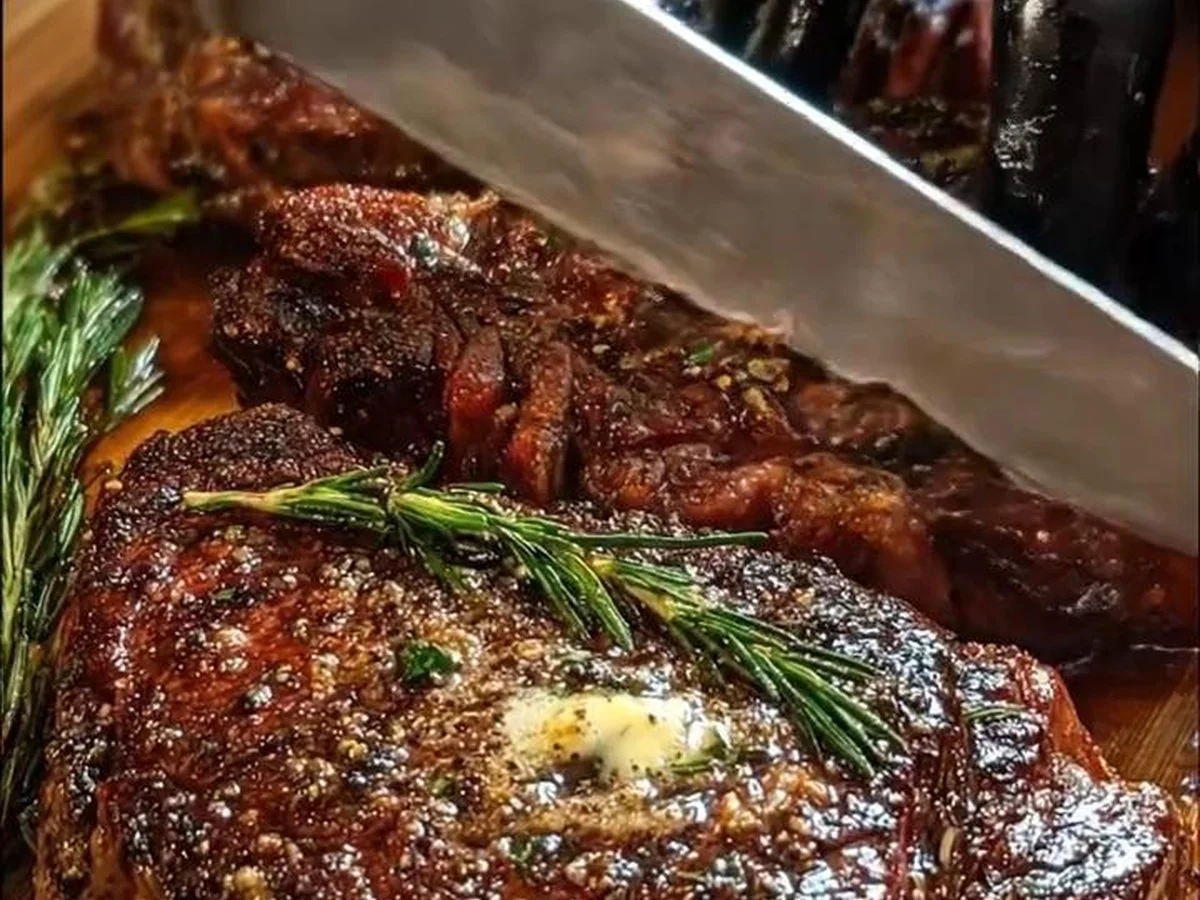
When it comes to culinary indulgence, few dishes capture the primal allure and richness of a perfectly cooked pan-seared ribeye steak. Picture this: a sizzling steak that yields with a soft touch, sending fragrant steam swirling through the air, teasing your senses with promises of savory bliss. The deep, rich aroma of beef combined with the alluring notes of olive oil and luscious butter transports you to a place of comfort and satisfaction, making it a quintessential recipe that occupies the hearts of meat lovers everywhere.
The ribeye steak, often referred to as the ‘king of steaks,’ is celebrated for its balance of tenderness and marbled richness. This dish has garnered a cult status, often gracing dinner tables for special occasions yet easy enough to whip up for a weeknight meal. With its juicy interior and appealing crust, each bite unfolds layers of beefy flavor that lingers long after the meal is over. It is this combination of flavor, texture, and aroma that makes pan-seared ribeye steak an enduring classic—a dish sculpted for those who understand the artistry of simple, high-quality ingredients.
The Origins and History
Tracing the origins of the ribeye steak reveals a fascinating journey that spans several cultures and culinary traditions. Hailing primarily from the rib section of a cow, the term ‘ribeye’ itself is derived from its location on the rib primal, which includes some of the most tender and flavorful cuts of beef. The popularity of ribeye can be partly attributed to the cattle farming traditions in the United States, where high-quality beef has been prized since the establishment of ranches in the 19th century. American cowboy culture embodies the essence of this cut—strong, hearty, and unapologetically indulgent.
In many ways, ribeye steaks exemplify the American West, with their robust flavors and juicy textures. As steak houses became quintessential dining establishments, especially in the mid-20th century, ribeye quickly became a favorite amongst diners looking for a rich, satisfying meal. Today, the love for ribeye has transcended borders, with chefs around the world incorporating unique twists and presentation styles while still honoring the steak’s original characteristics. This continually evolving landscape keeps the ribeye’s legacy alive, ensuring that it remains a symbol of comfort food worldwide.
Why You Will Absolutely Love This Recipe
- Flavor Profile: The pan-searing technique caramelizes the surface of the steak, creating a mouthwatering crust while sealing in the juices, resulting in a complex flavor that’s at once savory, buttery, and downright delicious.
- Ease of Preparation: This recipe requires minimal ingredients and techniques, making it accessible for cooks at any skill level. With just a few simple steps, you can create a gourmet experience right in your kitchen.
- Crowd-Pleaser: Whether you’re hosting a dinner party or just enjoying a cozy family meal, ribeye steak consistently impresses. It’s a meal that can elevate any occasion, leaving guests raving.
- Leftovers Delight: While you might not expect delicious remnants from such a decadent meal, leftover ribeye steak can be transformed into countless dishes—from steak sandwiches to salads, prolonging its enjoyment well beyond the first serving.
Deep Dive into the Ingredients
To master the art of pan-seared ribeye steak, it’s vital to understand the role of each ingredient in the final product. At the core is the ribeye steak itself, which is cherished for its marbling—intricate webbing of fat throughout the muscle that enhances juiciness and flavor. Choosing a high-quality cut is essential; look for USDA Prime or Choice grades to ensure optimal quality.
Next, we have the olive oil, which serves as a medium for cooking and adds its own subtle fruity notes. Its high smoke point makes it ideal for searing, preventing burning while allowing the steak to develop that irresistible crust. If you prefer a more neutral-flavored oil, grapeseed or canola oil are great alternatives.
At this point, let’s talk about salt. Kosher salt is preferred for its coarse texture, allowing for even distribution and accentuation of the steak’s natural flavors. Unlike table salt, it doesn’t overpower but rather harmonizes the overall taste profile. Finally, freshly ground black pepper rounds out the seasoning, providing a hint of heat that beautifully complements the savory notes of the beef.
Optional ingredients like unsalted butter add richness, while smashed garlic and fresh herbs such as thyme or rosemary contribute aromatic depth. The buttery basting method uplifts the dish, infusing it with a luxurious flavor that makes each bite decadent. If you have dietary restrictions or specific tastes, consider experimenting with these optional ingredients, although they are by no means essential for a stellar steak.
Pro Tips for Perfect Results
Achieving the perfect pan-seared ribeye steak is an art that requires attention to detail and technique. Here are some pro tips to ensure flawless execution:
- Bring to Room Temperature: Take your steaks out of the refrigerator at least 30-60 minutes prior to cooking. Room temperature meat cooks more evenly, achieving that perfect medium-rare center.
- Dry the Surface: For the ultimate sear, it’s essential to pat the steak dry with paper towels. This moisture can hinder the creation of a proper crust, which is essential for both texture and flavor.
- Use High Heat: Preheat your skillet until it’s smoking hot. A hot surface is crucial for achieving that beautiful caramelization while ensuring that the inside remains juicy.
- Baste for Flavor: During the last few minutes of cooking, add butter, garlic, and herbs to the pan. Tilt the pan and use a spoon to baste the steak as it cooks, allowing the flavors to permeate throughout the meat.
- Let It Rest: After cooking, allow the steak to rest for at least 10 minutes. This step lets the juices redistribute, ensuring that every bite is tender and succulent.
Serving and Pairing Suggestions
When it comes to serving pan-seared ribeye steak, countless options await. Classic combo side dishes like creamy mashed potatoes or roasted seasonal vegetables pair wonderfully, adding both comfort and balance to the rich steak. A light arugula salad dressed in balsamic vinaigrette works brilliantly, as the peppery greens and tangy notes cut through the richness of the steak.
In terms of beverages, a bold red wine such as Cabernet Sauvignon or Malbec complements the robust flavor of ribeye, enhancing the overall dining experience. For a festive occasion, you might reach for a bottle of bubbly, the effervescence acting as a delightful contrast to the dish’s heft. Lastly, serve the dish open-faced with a generous dollop of chimichurri sauce for an extra kick, showcasing the versatility of this beloved cut.
Storage, Freezing, and Reheating
If you find yourself with leftover ribeye steak, fear not! Allow it to cool completely before wrapping it in plastic wrap or aluminum foil. Store it in the refrigerator for up to 3 days. For longer-lasting storage, consider freezing the cooked steak. Wrapped tightly, it can be stored for up to three months. To reheat, gently warm in the oven on low heat or slice thinly for steak salads or sandwiches, retaining moisture and tenderness.
Frequently Asked Questions (FAQ)
1. What is the best doneness for ribeye steak?
The ideal doneness for ribeye steak is medium-rare, which allows the marbled fat to render, resulting in a tender and juicy steak. Aim for an internal temperature of about 130-135°F.
2. Can I cook ribeye steak on a grill instead?
Absolutely! Grilling is a fantastic option, and the steak would develop an even richer flavor. Just ensure your grill is preheated adequately and keep an eye on cooking times.
3. Why use unsalted butter?
Grilling and pan-searing ribeye steak often requires precise control over salt. Using unsalted butter allows for more comprehensive seasoning control, ensuring your dish isn’t overly salty.
4. Can the ribeye be marinated?
Yes, marinating ribeye can add additional depth to the flavor profile. However, because of the natural richness and flavor of ribeye, a simple seasoning of salt and pepper is often sufficient.
Conclusion
There you have it! A comprehensive guide to mastering the pan-seared ribeye steak. With simple techniques, high-quality ingredients, and love for the craft, you can ensure this dish will not only make memories but also have its flavor celebrated long after the plates are cleared. Get ready to indulge in a meal that is as satisfyingly delicious as it is reassuring in its familiarity. Happy cooking!
The History of This Recipe
The origin of pan-seared ribeye steak can be traced back to the culinary traditions of European butchers and chefs who prized the ribeye cut for its marbling and flavor. This cut of beef, taken from the rib section of cattle, became popular in steakhouses as cooking techniques evolved.
As cooking methods advanced, home cooks began experimenting with pan-searing to achieve a perfect sear while maintaining the steak’s juiciness. The technique gained prominence due to its simplicity and ability to enhance the natural flavors of the ribeye.
Today, pan-seared ribeye steak is celebrated in kitchens around the world, cherished for its rich taste and tender texture. Its combination of a crisp exterior and succulent interior continues to delight steak lovers everywhere.
Pan-Seared Ribeye Steak
INGREDIENTS
- 2 boneless ribeye steaks (approximately 1-inch thick)
- 2 tablespoons olive oil
- 1½ teaspoons kosher salt
- Freshly ground black pepper (to taste)
- 2 tablespoons unsalted butter (optional)
- 2-3 cloves garlic, smashed (optional)
- Fresh herbs such as thyme, rosemary, or parsley (optional)
INSTRUCTIONS
Remove the ribeye steaks from the refrigerator and let them sit at room temperature for about 30-45 minutes. This ensures even cooking.
Pat the steaks dry using paper towels to remove excess moisture. This step is crucial for getting a good sear on the meat.
Season both sides of the steaks generously with kosher salt and freshly ground black pepper. The salt will enhance the flavors and help create a nice crust.
Heat a cast iron skillet or heavy-bottom pan over medium-high heat. Allow the pan to get hot for about 5 minutes.
Add the olive oil to the pan and swirl it around to coat the surface evenly.
Carefully place the seasoned ribeye steaks into the hot pan. You should hear a sizzling sound; this indicates that the pan is hot enough.
Sear the steaks for about 4-5 minutes without moving them. This will help develop a nice crust.
After 4-5 minutes, flip the steaks using tongs and sear the other side for an additional 4-5 minutes for medium-rare. Adjust the time if you prefer your steak more or less cooked.
(Optional) If you like, add the butter and smashed garlic cloves to the pan during the last minute of cooking. Use a spoon to baste the steaks with the melted butter for added flavor.
Once cooked to your liking, remove the steaks from the skillet and transfer them to a cutting board. Let them rest for at least 5-10 minutes to allow the juices to redistribute.
Slice the steaks against the grain and serve immediately, garnished with fresh herbs if desired.
Time & Calories:
Total Time: Approximately 40 minutes (including resting)
Estimated Calories: Approximately 600-800 calories per serving (varies based on portion and added ingredients)
NOTES
Enjoy your delicious homemade Pan-Seared Ribeye Steak !