Introduction
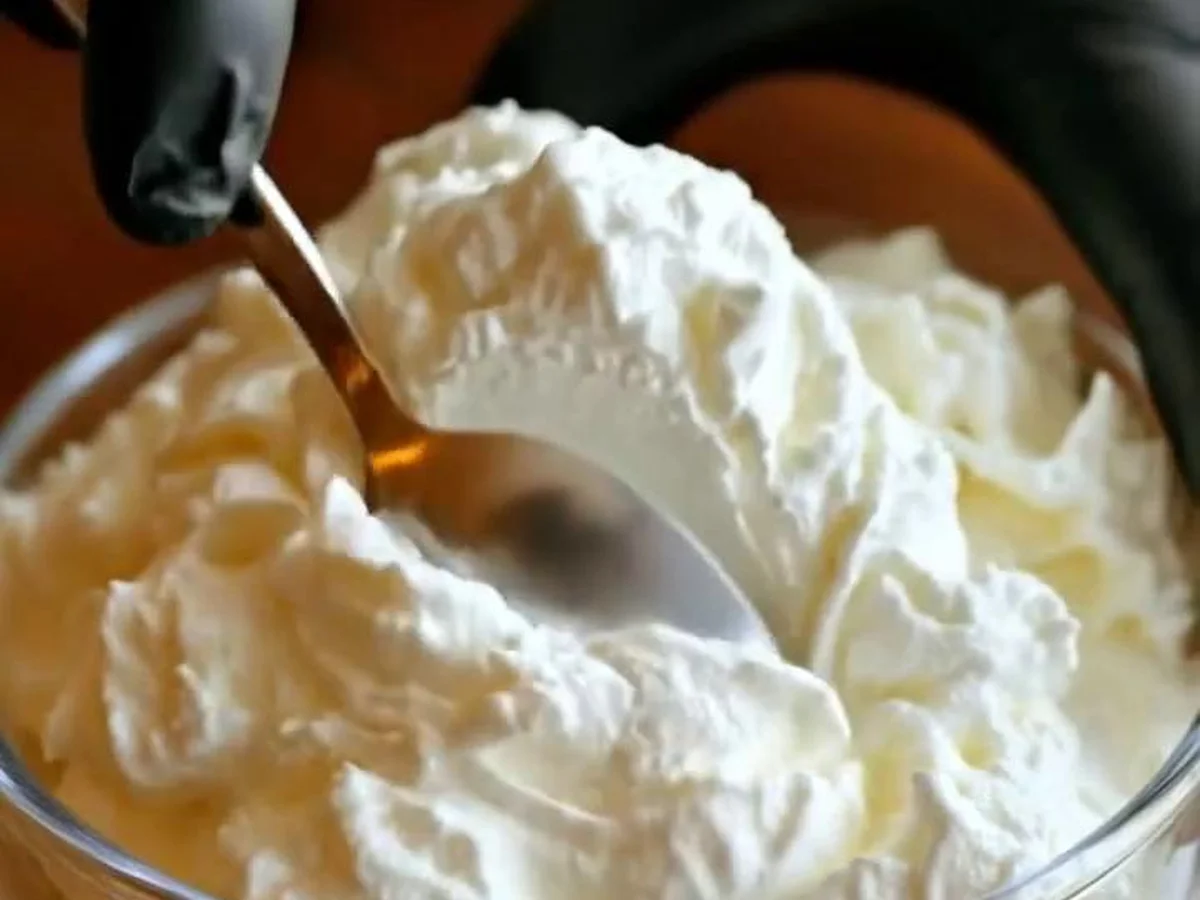
There is something undeniably enchanting about the cloud-like softness of freshly whipped cream. It is a culinary delight that can elevate even the simplest of desserts into something spectacular. From dolloping it atop a slice of rich chocolate cake to swirling it through a decadent cup of hot cocoa, homemade whipped cream is a classic companion to countless delicacies. The minute the beaters start whisking the cold cream, you can smell its rich dairy aroma wafting through the kitchen, filling the air with promises of indulgent sweetness. Not only is it incredibly versatile, but its light and airy texture provides a delightful contrast to desserts that can otherwise feel heavy or rich.
This timeless treat has captured the hearts and taste buds of many across the globe and is a staple in many homes. With just a few ingredients, you are moments away from creating something that is not only a comfort food but also evokes fond memories of celebrations, family gatherings, and cozy winter nights. Whether it’s paired with a warm fruit cobbler in the summer or a spiced pumpkin pie during the fall, homemade whipped cream is more than just a topping; it’s a journey of flavor and nostalgia that invites everyone to gather around the table.
The Origins and History
The practice of whipping cream dates back centuries, although the exact origin remains murky. It is believed that the technique may have stemmed from cultures that celebrated dairy, particularly those in Europe. Early recipes for whipped cream appeared in 16th-century France, where the creation was referred to as “crème fouettée,” meaning whipped cream in French. Fast forward to the 18th century, and this delightful ingredient had become a cornerstone of European desserts, often found embellishing puddings and pastries.
Across the Atlantic, America’s love affair with whipped cream flourished in the 19th century, often linked with the emergence of ice creams and pies. The arrival of canned whipped cream in the mid-20th century made the treat even more accessible, yet many home cooks argued that nothing could beat the texture and taste of homemade versions. Today, chefs and home bakers alike celebrate the beauty of whipping cream—whether for topping desserts or crafting intricate pastries, its cultural significance as a luxurious yet simple ingredient endures.
Why You Will Absolutely Love This Recipe
- Flavor Profile: Homemade whipped cream is undeniably fresher and richer than any store-bought counterpart. You get to customize flavor notes, from the delicate sweetness of powdered sugar to the warm essence of vanilla extract, which can cater to your distinct palate.
- Ease of Preparation: Whipping cream is a delightful experience; with minimal effort, you can create something that looks and tastes gourmet. Just a few minutes with a mixer can yield impressive results.
- Crowd-Pleaser: Whipped cream is universally loved. Its ability to enhance various desserts—from desserts to drinks—guarantees a smile on every face. It’s a versatile addition that elevates both simple and elaborate desserts alike.
- Leftovers: It’s rare to have any whipped cream left over, but if you do, it can be used in countless ways! Incorporate it into pancakes, fold it into mousses, or simply add a dollop atop morning coffee. It’s culinary gold.
- Customization: Many people enjoy experimenting with flavors. Beyond simple vanilla, consider adding almond extract, citrus zest, or even a splash of liqueur for a twist on the traditional.
Deep Dive into the Ingredients
Creating stellar homemade whipped cream requires just a handful of ingredients, each playing a pivotal role in achieving that perfect, airy texture.
Cold Heavy Cream: The heart of whipped cream, heavy cream is chosen for its high-fat content, typically around 36-40%. This fat is essential for creating a stable foam when whipped. Opting for whole cream as opposed to low-fat versions ensures a luscious texture that mouthfeel simply can’t be beaten. Make sure that your cream is cold straight from the refrigerator for better volume when whipped.
Powdered Sugar: While granulated sugar can work in a pinch, powdered sugar is ideal due to its fine texture, which dissolves effortlessly into the cream, avoiding any graininess while ensuring an even sweetness. You can adjust the amount according to your sweet preference, balancing out the cream’s natural richness.
Vanilla Extract: This optional ingredient adds a touch of aromatic sweetness that beautifully complements the rich flavor of the cream. Pure vanilla extract is always preferable to imitation for its depth of flavor, though feel free to experiment with other extracts like almond or hazelnut for a more unique finish.
Unflavored Gelatin: By sprinkling unflavored gelatin in cold water and allowing it to bloom, followed by slowly warming it and incorporating it into your whipped cream, you can create a stabilizing agent that helps preserve the whipped cream’s texture for longer periods. This is especially useful when preparing desserts in advance or for gatherings where you wish to serve the whipped cream at a later time.
Cold Water: This is necessary only if you opt to use gelatin. The cold water helps activate the gelatin for proper emulsification within the whipped cream.
Pro Tips for Perfect Results
To achieve exquisite whipped cream every time, heed the following pro tips. First and foremost, ensure that your mixing bowl and beaters are cold. This can be accomplished by placing them in the freezer for a few minutes before whipping. Cold utensils help keep the cream chilled, enabling it to whip faster and hold its shape effectively.
Use a hand mixer or a stand mixer fitted with a whisk attachment for the best results. Begin mixing on low speed to prevent splattering, and gradually increase the speed as the cream begins to thicken. Watch closely; you want to stop whipping as soon as soft peaks form—a texture that will hold but is still glossy. Over-whipping can turn your cream into butter, which is a desired outcome for some but not for whipped cream. A good habit is to taste and assess your cream during the process—this way, you can adjust sweetness as needed.
If using gelatin, remember to let it cool slightly before incorporation; adding it too hot could deflate your whipped cream. Stir it in gently, ensuring it’s evenly distributed throughout the cream for uniform stabilization.
Serving and Pairing Suggestions
Homemade whipped cream is a versatile addition to countless desserts. It pairs beautifully with fresh fruits like strawberries and peaches, enhancing their sweetness and providing a creamy contrast. Drizzle it over a slice of pie, such as apple or cherry, or add a generous scoop atop rich chocolate mousse. For beverages, whipped cream transforms ordinary coffee, hot cocoa, or milkshakes into delightful treats. It’s also a festive garnish for holiday desserts, bringing cheer to seasonal gatherings and celebrations.
Storage, Freezing, and Reheating
Whipped cream is best consumed shortly after it is made, but if you find yourself with leftovers, you can keep it sealed in an airtight container in the refrigerator for up to 24 hours. It may deflate slightly, but a quick re-whip can restore its airy form. Freezing whipped cream is also an option; scoop dollops onto a parchment-lined baking sheet, freeze until solid, then transfer to a freezer bag. Frozen whipped cream can last up to a month. When you’re ready to use it, simply thaw in the refrigerator and re-whip if needed.
Frequently Asked Questions (FAQ)
1. Can I use a different type of cream?
While heavy cream is best for whipping due to its fat content, you can use alternatives like whipping cream (with slightly less fat). However, avoid using half-and-half or light cream, as they lack the necessary fat for stabilization.
2. Can I make flavored whipped cream?
Absolutely! You can infuse flavors by incorporating extracts, using flavored sugar, or even pureeing fruits into the cream before whipping. The possibilities are limited only by your creativity.
3. How do I fix over-whipped cream?
If you’ve whipped your cream too long and it has started to turn grainy, you may be able to salvage it by mixing in a small amount of fresh, unwhipped cream. This can help loosen the mixture and restore a smoother consistency.
4. What is the purpose of gelatin in whipped cream?
Gelatin acts as a stabilizer, helping the whipped cream retain its shape for a longer period. This is particularly helpful for whipped cream used as a topping on cakes or desserts that need to sit out for a while.
5. Is it safe to eat homemade whipped cream?
Yes, as long as you use fresh, high-quality heavy cream and maintain good kitchen hygiene. If you are concerned about food safety, consider using pasteurized cream, especially when serving to vulnerable populations like young children or the elderly.
Conclusion
Homemade whipped cream is a delightful addition to your culinary repertoire, bringing a touch of elegance to any dessert. With its simple preparation and irresistible charm, this recipe will undoubtedly become a cherished staple in your kitchen.
The History of This Recipe
In the heart of 18th century France, cooks began experimenting with rich dairy products to enhance their desserts. The technique of whipping cream by hand was discovered, transforming simple cream into a light, airy topping.
As families gathered for celebrations, this delightful concoction became a staple at festive occasions. Its popularity quickly spread across Europe, inspiring countless variations and serving ideas.
By the 19th century, homemade whipped cream had become a beloved addition to pies, cakes, and hot beverages. It not only elevated desserts but also became a symbol of hospitality and indulgence in households everywhere.
Homemade Whipped Cream
INGREDIENTS
- 1 cup of cold heavy cream (preferably whole for better texture)
- 2 tablespoons of powdered sugar (adjust to taste)
- 1 teaspoon of vanilla extract (optional)
- 2 tablespoons of cold water (only if using gelatin, optional)
- 1 teaspoon of unflavored gelatin (optional, for stabilizing)
INSTRUCTIONS
Begin by placing a mixing bowl and the beaters of your electric mixer in the refrigerator for about 10-15 minutes to chill. This helps the cream whip up better.
If using gelatin, sprinkle it over the cold water in a small bowl and let it sit for about 5 minutes to bloom.
In a separate mixing bowl, pour in the cold heavy cream. If you’re using the gelatin, gently heat the bloomed gelatin in the microwave for about 10 seconds until it dissolves, then add it to the heavy cream.
Add the powdered sugar and vanilla extract (if using) to the cream.
Using the chilled beaters, beat the cream mixture on medium speed until it begins to thicken.
Once it starts to thicken, increase the speed to high and continue to whip until soft peaks form. Be careful not to overwhip, as it can turn into butter.
Taste the whipped cream and adjust the sweetness by adding more powdered sugar if desired.
Use immediately as a topping for cakes, pies, or any dessert, or store in the refrigerator for up to 3 days.
Time & Calories:
Preparation Time: 10 minutes
Total Time: 10 minutes
Approximate Calories: 100 calories per serving (based on 1/4 cup serving size)
NOTES
Enjoy your delicious homemade Homemade Whipped Cream!