Introduction
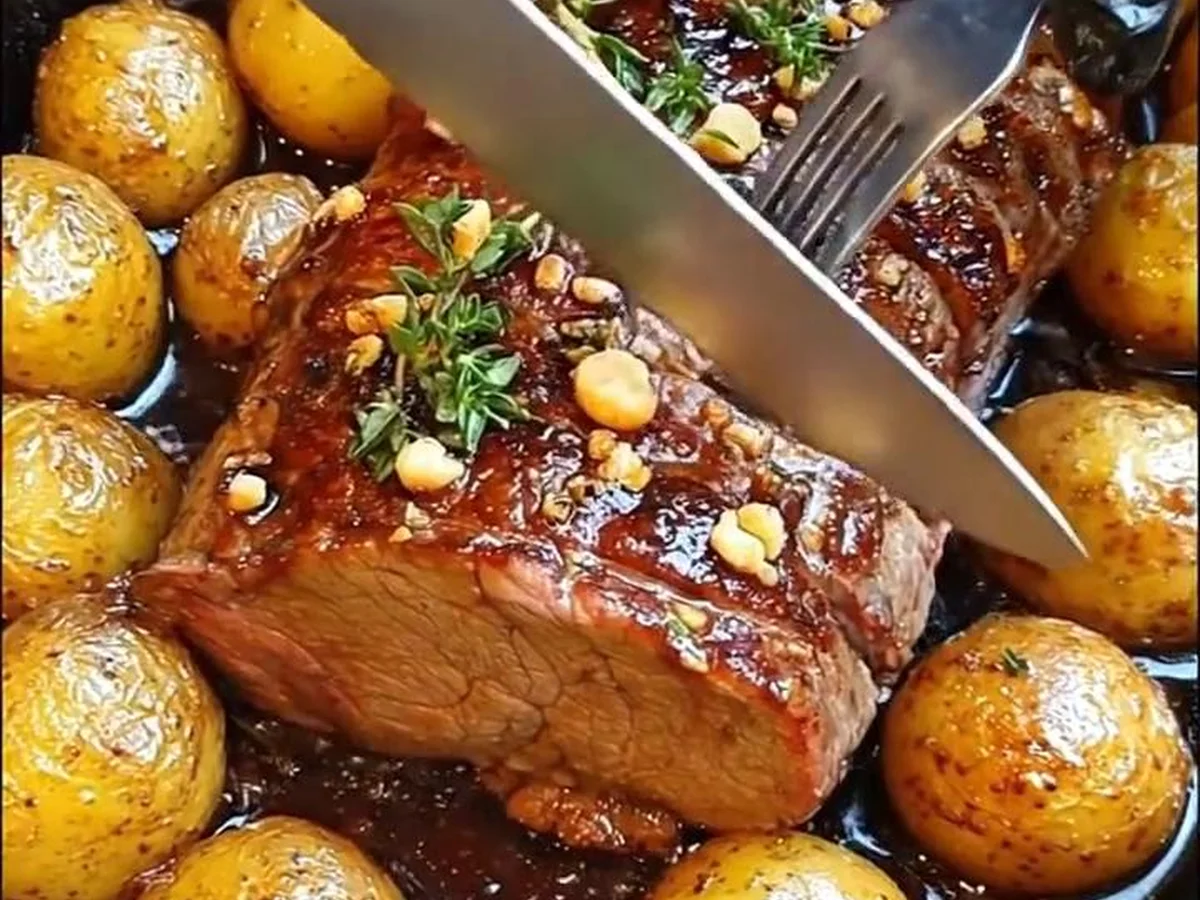
Imagine walking into your kitchen, the aromatic scents of garlic and fresh herbs gently enveloping you like a warm embrace. You’re preparing a meal that doesn’t just nourish your body, but tantalizes your senses: Glazed Beef Tenderloin with Roasted Baby Potatoes. This dish epitomizes comfort and sophistication, boasting a tender, juicy cut of beef that melts in your mouth, enhanced by a glossy balsamic glaze that dances on your palate. The golden-brown roasted baby potatoes, crispy on the outside and fluffy on the inside, offer a hearty complement to the tenderloin’s luxurious texture. Together, they create a culinary experience that combines elegance with home-cooked familiarity, making it an ideal centerpiece for any gathering or an intimate weekend dinner.
This dish has captivated taste buds across the globe, showcasing the universal love for savory, hearty meals that feel like a warm hug on a plate. Whether it’s a celebratory feast with family and friends or a cozy weeknight dinner for two, this glazed beef tenderloin gracefully fits both occasions. The blend of flavors from the balsamic vinegar and fresh herbs elevates this dish beyond mere comfort food; it’s a gastronomic masterpiece that beckons to be savored. The boundaries of culinary innovation blur as you indulge in a recipe that combines simplicity and elegance, transforming your dining experience into something truly special.
The Origins and History
The roots of beef tenderloin dishes can be traced back to various culinary traditions around the world. In European cuisine, particularly in French and Italian gastronomy, beef tenderloin is celebrated as a premium cut, often gracing the tables of nobility. The use of tender meats dates back centuries, where roasting was a favored technique to turn the tough, flavorful cuts of beef into succulent delicacies. The tradition of glazing meats holds its origins in medieval kitchens, where cooks enhanced flavors with sauces derived from vinegars, wines, and fruits.
Meanwhile, the concept of roasted baby potatoes speaks to the rustic heartiness of agricultural dishes. Originating in the Americas, potatoes quickly spread worldwide, becoming a staple in homes and kitchens. The combo of roasted potatoes paired with a glazed meat dish portrays the fusion of elegant dining with everyday comfort, encapsulating the spirit of family meals across cultures. This recipe beautifully melds these diverse backgrounds into a contemporary delight, bridging historical practices with modern flavor profiles for today’s discerning palates.
Why You Will Absolutely Love This Recipe
- Flavor Profile: The savory umami from the beef, the sweet tang of balsamic glaze, and the herbal notes of rosemary and thyme create a harmonious tapestry of flavors.
- Ease of Preparation: Despite its impressive presentation, this dish requires straightforward steps, making it manageable even for novice cooks.
- Crowd-Pleaser: This recipe works wonderfully for gatherings, appealing to various taste preferences while maintaining a touch of elegance.
- Leftovers to Love: The glazed beef tenderloin promises delicious leftovers, perfect for sandwiches, salads, or simply reheated with a side dish for the next day’s lunch.
Deep Dive into the Ingredients
When it comes to culinary magic, the ingredients are the stars of the show, and in this recipe, each has been carefully selected for its flavor, texture, and nutritional value.
Beef Tenderloin: Known for its unrivaled tenderness and buttery texture, beef tenderloin is a premium cut that boasts a mild flavor profile, making it the perfect canvas for bolder accompaniments. The quality of the beef can greatly impact the dish, so sourcing grass-fed, high-quality meat from a trusted provider can elevate your experience. For those looking for a more budget-friendly alternative, cuts like sirloin or ribeye can work too, though they may need different cooking times to achieve the perfect doneness.
Baby Potatoes: These little gems, with their delicate skins and creamy interiors, are ideal for roasting. Baby potatoes come in various colors, such as golden, red, and purple, adding a vibrant visual appeal to your plate while providing a mild, adaptable flavor. If baby potatoes aren’t accessible, consider using Yukon Gold or small red potatoes as alternatives. Their waxy texture holds up well during roasting.
Olive Oil: A staple in Mediterranean cuisine, olive oil not only lends a hint of fruitiness but also acts as the foundation for achieving that coveted crispy skin on the potatoes. Extra virgin olive oil is recommended for its robust flavor and health benefits. If you are looking for a different culinary profile, avocado oil can also serve well.
Garlic: Fresh minced garlic is non-negotiable; its aromatic qualities elevate the entire dish. Garlic’s sweet, pungent nature caramelizes beautifully when roasted, offering depth to the tenderloin and potatoes. For those with sensitivities, shallots can be a great alternative without sacrificing flavor.
Fresh Herbs: The use of rosemary and thyme aligns with traditional seasonings for beef, enhancing its natural flavors while providing earthy notes. Dried herbs can be employed in a pinch, but fresh will provide a far more vibrant aroma and taste. Experimenting with other herbs like oregano or parsley can lead to delightful twists.
Balsamic Vinegar: This syrupy condiment is the pièce de résistance in creating a glaze that envelops the beef! Its sweetness and acidity work beautifully to tenderize the meat while developing complex flavors. If you’re looking to substitute, red wine vinegar mixed with a bit of honey can mimic a similar profile.
Pro Tips for Perfect Results
Achieving the perfect glazed beef tenderloin and roasted baby potatoes comes down to a few tried-and-true techniques. Here are essential tips to ensure your dish dazzles:
- Searing the Meat: Always start by searing the beef tenderloin in a hot skillet with oil. This process locks in juices and creates a delectable crust. Ensure the pan is hot enough; it should sizzle when the meat touches it. Sear all sides for even browning, which ramps up the dish’s overall flavor.
- Cooking Temperature: Use a meat thermometer to monitor the internal temperature. For medium-rare, aim for 135°F; for medium, don’t surpass 145°F. Let the tenderloin rest after taking it off the heat to allow juices to redistribute, enhancing tenderness.
- Evenly Roasting Potatoes: Cut baby potatoes into uniform sizes so they cook evenly. Toss them in olive oil, garlic, and herbs before roasting at a high temperature (around 425°F) to achieve crispy exteriors and fluffy centers.
- Glazing Techniques: When adding the balsamic glaze, do so in the last few minutes of cooking to prevent burning. Baste the meat occasionally for maximum flavor absorption.
Serving and Pairing Suggestions
This exquisite dish pairs beautifully with a variety of sides and beverages. Consider serving with a vibrant green salad drizzled with a lemon vinaigrette, or perhaps some grilled asparagus for a pop of color and crunch. A glass of robust red wine, such as Cabernet Sauvignon or Malbec, will enhance the flavors of the tenderloin while providing warmth to the meal. Occasions can vary – be it a joyful celebration or an intimate Sunday dinner – this dish shines in any setting.
Storage, Freezing, and Reheating
To keep your glazed beef tenderloin and roasted baby potatoes fresh, wrap any leftovers tightly in aluminum foil or store them in an airtight container in the refrigerator for up to 3 days. For longer storage, it’s possible to freeze cut portions of the beef. Just ensure the meat is tightly wrapped and placed in a freezer bag, where it can last for about 3 months. When you’re ready to enjoy again, thaw in the fridge overnight and gently reheat in a skillet over low heat, adding a splash of broth to maintain moisture.
Frequently Asked Questions (FAQ)
- Can I marinate the beef tenderloin ahead of time? Absolutely! Marinating the beef for a few hours or overnight allows the flavors to infuse deeper into the meat, enhancing its taste and tenderness. Just be cautious with acidic marinades, as they can break down the proteins too much if left too long.
- Is it necessary to use fresh herbs? While fresh herbs provide unparalleled flavor and aroma, dried alternatives can work if fresh isn’t available. Use about one-third the amount of dried herbs to achieve similar flavor profiles.
- How do I know when the side potatoes are done? Roasted baby potatoes are ready when they are golden brown and easily pierced with a fork or knife. Checking them at around 20-25 minutes is a good rule of thumb, though cooking time may vary depending on their size.
- Can I use another vinegar instead of balsamic? Yes! While balsamic provides a unique sweetness, you can substitute with red or white wine vinegar, honey, or a homemade reduction to mimic a similar taste, keeping an eye on the balance of sugar and acidity.
- What if I don’t have a meat thermometer? While it’s a useful tool, you can also judge doneness by feel. Press the center of the tenderloin; it should feel firm yet slightly springy for medium-rare, while feeling firmer for medium.
Conclusion
Glazed Beef Tenderloin with Roasted Baby Potatoes is a dish that impresses not just through its aesthetics but through bold flavors and comforting complexities. Whether crafting it for a special occasion or a cozy dinner at home, every bite is sure to leave a lasting impression.
The History of This Recipe
The origin of Glazed Beef Tenderloin with Roasted Baby Potatoes can be traced back to traditional European cuisine, where the combination of meat and potatoes was a staple. Chefs sought to elevate simple ingredients, infusing them with rich flavors and elegant presentation for special occasions.
In the early 20th century, this dish began to gain popularity in fine dining establishments, with chefs experimenting with various glazes made from wine, herbs, and spices. The tenderloin, known for its buttery texture, became the star of the plate, perfectly complemented by the earthy sweetness of roasted baby potatoes.
As culinary techniques evolved, the dish was embraced by home cooks, who adopted gourmet methods to create memorable meals for family gatherings. Today, Glazed Beef Tenderloin with Roasted Baby Potatoes continues to symbolize celebration and indulgence in dining experiences around the world.
Glazed Beef Tenderloin with Roasted Baby Potatoes
INGREDIENTS
- 2 lbs beef tenderloin
- 1 lb baby potatoes
- 2 tablespoons olive oil
- 4 cloves garlic, minced
- 1 tablespoon fresh rosemary, chopped
- 1 tablespoon fresh thyme, chopped
- 1/4 cup balsamic vinegar
INSTRUCTIONS
Preheat your oven to 400°F (200°C).
In a small saucepan, combine balsamic vinegar and honey over medium heat. Bring to a simmer and cook for about 5-7 minutes until the mixture thickens slightly, then set aside.
Season the beef tenderloin generously with salt, black pepper, garlic, rosemary, and thyme on all sides.
Heat 1 tablespoon of olive oil in a large oven-safe skillet over medium-high heat. Sear the beef tenderloin on all sides until nicely browned (about 4-5 minutes per side).
While the beef is searing, wash the baby potatoes and cut them in half. In a bowl, toss the potatoes with the remaining olive oil, salt, and pepper until well coated.
Once the beef is seared, remove it from the skillet temporarily and add the baby potatoes to the same skillet, placing them cut side down.
Place the seared tenderloin on top of the baby potatoes and brush half of the balsamic glaze over the beef.
Transfer the skillet to the preheated oven and roast for about 20-25 minutes, or until the beef reaches your desired doneness (135°F for medium-rare).
Remove the skillet from the oven, brush the remaining glaze over the beef, and let it rest for 10 minutes before slicing.
Serve the sliced beef tenderloin alongside the roasted baby potatoes, garnished with fresh parsley if desired.
Time & Calories
Total Time: Approximately 50 minutes
Servings: 6
Approximate Calories: 400 calories per serving (including potatoes)
NOTES
Enjoy your delicious homemade Glazed Beef Tenderloin with Roasted Baby Potatoes !