Introduction
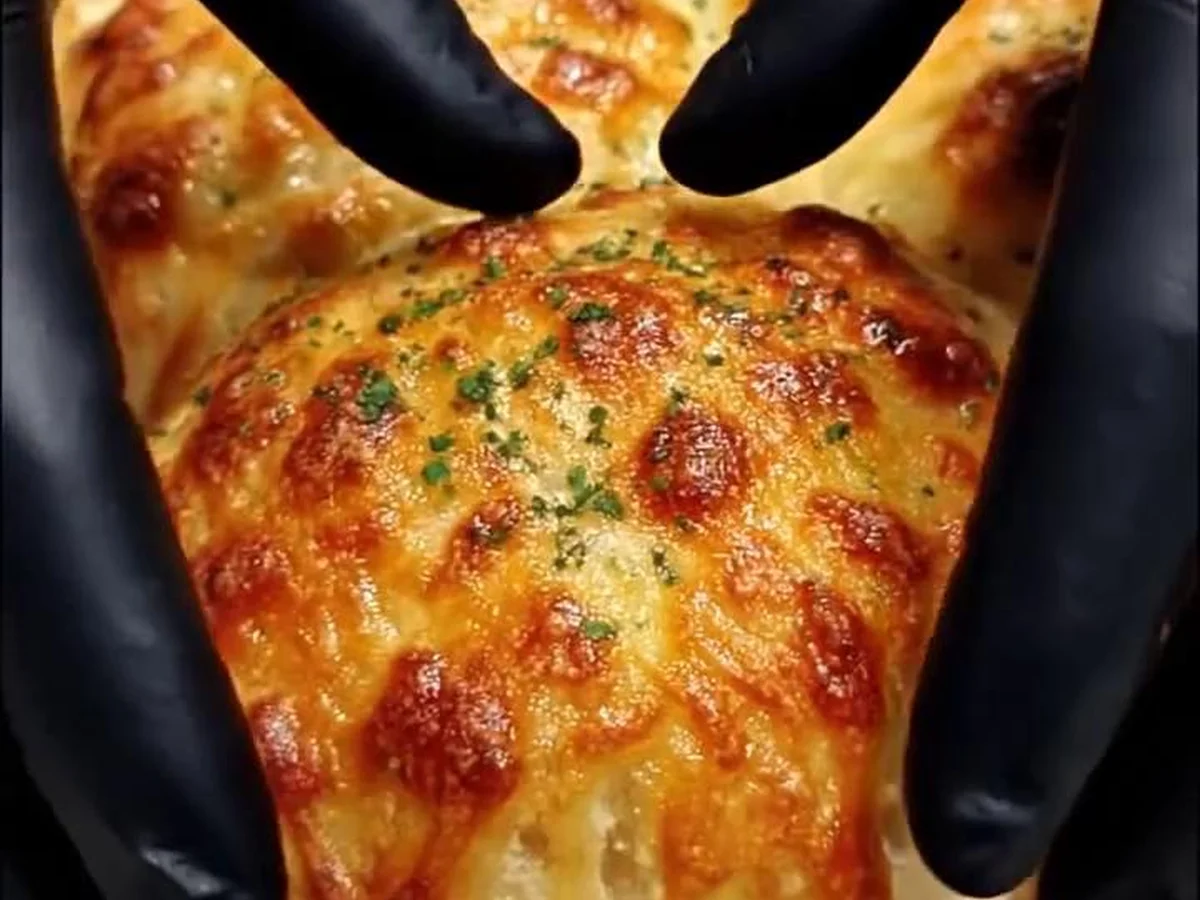
Cheese bread, with its rich, buttery aroma wafting through the kitchen, is one of those quintessential comfort foods that transcends cultural boundaries. The moment you pull a loaf of cheese bread from the oven, the melted gooey cheese bubbling from its center is enough to elicit an involuntary gasp of joy. Each bite evokes a tender chew, perfectly balanced with savory cheese flavors that envelop the taste buds like a warm blanket. Whether you choose to snack on it during a casual gathering, enjoy it with soup for lunch, or indulge in it as a delightful breakfast option, cheese bread is an undeniable crowd-pleaser.
This delightful dish has become a staple in various households around the globe, often serving as a base for experimentation with different types of cheeses and herbs. Cheese enthusiasts and bread lovers unite in their love for this warm, cartoonishly enticing treat that blends the best of both worlds. With its golden crust and stretchy texture, it’s not just food—it’s an experience that stirs nostalgia, often reminding us of times spent around the dinner table with family and friends. As we embark on this mouthwatering journey through the world of cheese bread, prepare your taste buds for a culinary adventure that will surely leave you craving more!
The Origins and History
The history of cheese bread is as rich and intriguing as the loaf itself. With roots that can be traced back centuries, different cultures have incorporated cheese into their bread traditions. From the cheesy focaccia of Italy to the savory Hawaiian rolls topped with gooey cheese, this dish represents the intersection of two beloved comfort foods—bread and cheese. It is believed that ancient civilizations, such as the Mesopotamians, expressed their love for bread by adding various toppings, one of which included fermented milk products akin to cheese.
Throughout history, cheese bread has evolved, reflecting local ingredients and culinary practices. In Brazil, for example, the famous pão de queijo combines tapioca flour with cheese, creating a gluten-free option that has won hearts worldwide. Similarly, the humble cheese pull established itself as a hallmark of modern baking, captivating dessert lovers with gooey cheese-stuffed pastries. The phenomenon showcases how a single dish can adapt and flourish through geographical boundaries while staying true to its essence—creating a delightful blend of flavors that celebrates the comfort of home-cooked meals.
Why You Will Absolutely Love This Recipe
- Flavor Profile: The combination of melted cheese and buttery bread creates a decadent flavor profile that pleases both the palate and the sense of smell.
- Ease of Preparation: With straightforward ingredients and a simple method, even novice bakers can whip up a batch of cheese bread with relative ease.
- Crowd-Pleaser: Cheese bread is perfect for gatherings; it delights people of all ages and can be enjoyed at any time of the day.
- Leftovers (if you have any!): This bread maintains its flavor and texture even the next day, making it an excellent option for meal prep and leftovers.
Deep Dive into the Ingredients
Understanding each ingredient’s role in crafting the perfect cheese bread is key to elevating your baking game. Here’s a detailed breakdown of the main components:
- All-Purpose Flour (500 g): This versatile flour serves as the foundation for the bread, providing the necessary structure. You can also experiment with a mix of whole wheat or bread flour for added nutrition and texture.
- Shredded Cheese (200 g): The type of cheese you choose can significantly influence the flavor and texture of the bread. Mozzarella contributes a stretchy quality, while parmesan introduces a nutty saltiness. Using a blend can create a more complex flavor profile.
- Milk (250 ml): Warm milk introduced during the kneading process hydrates the dry ingredients and aids in developing a tender crumb. You can substitute with almond milk or other plant-based options for a dairy-free version.
- Dried Yeast (7 g): This key ingredient acts as a leavening agent, allowing the bread to rise and develop a light, airy texture. Always check the expiration date to ensure effectiveness, and proof the yeast in warm milk to kickstart the fermentation process.
- Sugar (2 tablespoons): Sugar feeds the yeast, creating carbon dioxide for leavening. It also contributes to the browning of the crust, enhancing the bread’s color and taste.
- Salt (1 teaspoon): Essential for enhancing flavor, salt not only brings out the taste of the bread but also regulates yeast activity and strengthens gluten strands.
- Unsalted Butter (100 g, melted): Melted butter enriches the dough, resulting in a soft and tender texture. It also adds flavor. If you’re looking to keep it healthier, you can substitute canola or olive oil.
Understanding these ingredients helps in making informed choices, whether you want to customize your bread with different cheeses or experiment with gluten-free flour.
Pro Tips for Perfect Results
Achieving perfect cheese bread takes a few technical skills and simple tricks:
- Activate Your Yeast: Before any mixing, ensure to activate your yeast by dissolving it in warm milk with sugar. It should bloom and become frothy, indicating it’s alive and ready to rise.
- Knead Correctly: Kneading the dough is essential for developing gluten, which provides structure. Aim for a well-kneaded consistency, where the dough becomes smooth and elastic but not overly sticky.
- Let It Rise: A warm environment is ideal for the dough to rise. Make sure to cover it with a clean kitchen towel or plastic wrap to prevent drying. Be patient; allowing it to double in size is crucial for a light loaf.
- Temperature Control: When baking, preheat your oven adequately to achieve the perfect crust. An overly hot oven can burn the outside while leaving the inside undercooked.
Serving and Pairing Suggestions
Cheese bread can stand alone as a delectable snack or be paired with various dishes to create a well-rounded meal. It goes beautifully with soups like tomato or minestrone, providing a comforting counterpoint to the rich flavors. For a beverage, consider serving it alongside a light salad with vinaigrette or a crisp white wine to cut through the richness of the cheese.
Storage, Freezing, and Reheating
To keep your cheese bread fresh, allow it to cool completely before wrapping it tightly in plastic wrap or storing it in an airtight container. It can last up to three days at room temperature. For longer preservation, you can freeze the bread. Just slice it first to make it easier to thaw individual pieces. When reheating, simply place it in a preheated oven at 180°C (350°F) for 10-15 minutes until warmed through, restoring that freshly baked texture.
Frequently Asked Questions (FAQ)
- Can I use other types of cheese? Absolutely! Experiment with different cheeses such as cheddar, gouda, or even blue cheese for unique flavor variations. Each will impart its character to the bread.
- Can this recipe be made without dairy? Yes, substitute dairy ingredients with plant-based alternatives—non-dairy milk and vegan cheese can work well. However, results may vary regarding texture and flavor.
- Why is my bread dense? Dense bread could result from insufficient kneading, lack of proper yeast activation, or not allowing the dough to rise adequately. Always ensure yeast is active before using it.
- Can I make cheese bread into rolls? Certainly! After the initial rise, divide the dough into smaller portions and shape them into rolls. Adjust baking times to ensure even cooking.
Conclusion
This cheese bread recipe is not just a method of baking; it’s an invitation to embrace creativity in the kitchen. Bursting with flavor, rich in textures, and incredibly rewarding, this dish serves as a testament to the simple pleasures of home cooking. With each loaf you create, you invite warmth and deliciousness into your home—so go ahead and indulge in the magic of cheese bread!
The History of This Recipe
Cheese bread has its roots in the culinary traditions of various cultures, with early forms emerging from the combination of simple bread and available dairy. This delightful fusion is believed to have originated in regions where cheese was abundant, such as Europe and South America.
In Brazil, specifically, cheese bread, or pão de queijo, became a staple during the 18th century, crafted by Portuguese settlers using tapioca flour and local cheeses. Its unique texture and flavor quickly gained popularity, evolving into a beloved snack enjoyed across the nation.
Over time, cheese bread recipes diversified, reflecting local ingredients and tastes, leading to countless variations worldwide. Today, it remains a cherished comfort food, celebrated for its warm, cheesy goodness and versatility in both sweet and savory adaptations.
Cheese Bread
INGREDIENTS
- 500 g all-purpose flour
- 200 g shredded cheese (mozzarella, parmesan, or a blend)
- 250 ml milk
- 7 g dried yeast (1 packet)
- 2 tablespoons sugar
- 1 teaspoon salt
- 100 g unsalted butter, melted
INSTRUCTIONS
In a small bowl, combine the warm milk and sugar. Sprinkle the yeast over the top and let it sit for about 5-10 minutes until it becomes frothy.
In a large mixing bowl, combine the all-purpose flour, salt, and garlic powder (if using). Mix well to combine.
Create a well in the center of the dry ingredients. Pour in the melted butter and the yeast mixture. Stir until combined and a rough dough forms.
Knead the dough on a lightly floured surface for about 5-7 minutes until smooth and elastic.
Incorporate the shredded cheese into the dough, kneading until the cheese is evenly distributed throughout.
Place the dough in a greased bowl, cover it with a clean cloth or plastic wrap, and let it rise in a warm place for about 1 hour, or until doubled in size.
Preheat the oven to 180°C (350°F).
Once the dough has risen, punch it down to release the air. Shape it into a loaf or divide it into rolls, and place them in a greased baking dish or on a baking sheet.
Beat the egg and brush it over the top of the dough for a golden finish.
Let the dough rise again for about 30 minutes while the oven heats up.
Bake in the preheated oven for 25-30 minutes, or until the bread is golden brown and sounds hollow when tapped on the bottom.
Remove from the oven and let it cool for a few minutes before slicing. Garnish with fresh herbs, if desired.
Time & Calories
Prep Time: 20 minutes
Rise Time: 1 hour 30 minutes
Bake Time: 30 minutes
Total Time: 2 hours 20 minutes
Estimated Calories per slice (based on 12 slices): ~150 calories
Enjoy your delicious homemade cheese bread!
NOTES
Enjoy your delicious homemade Cheese Bread !