Introduction
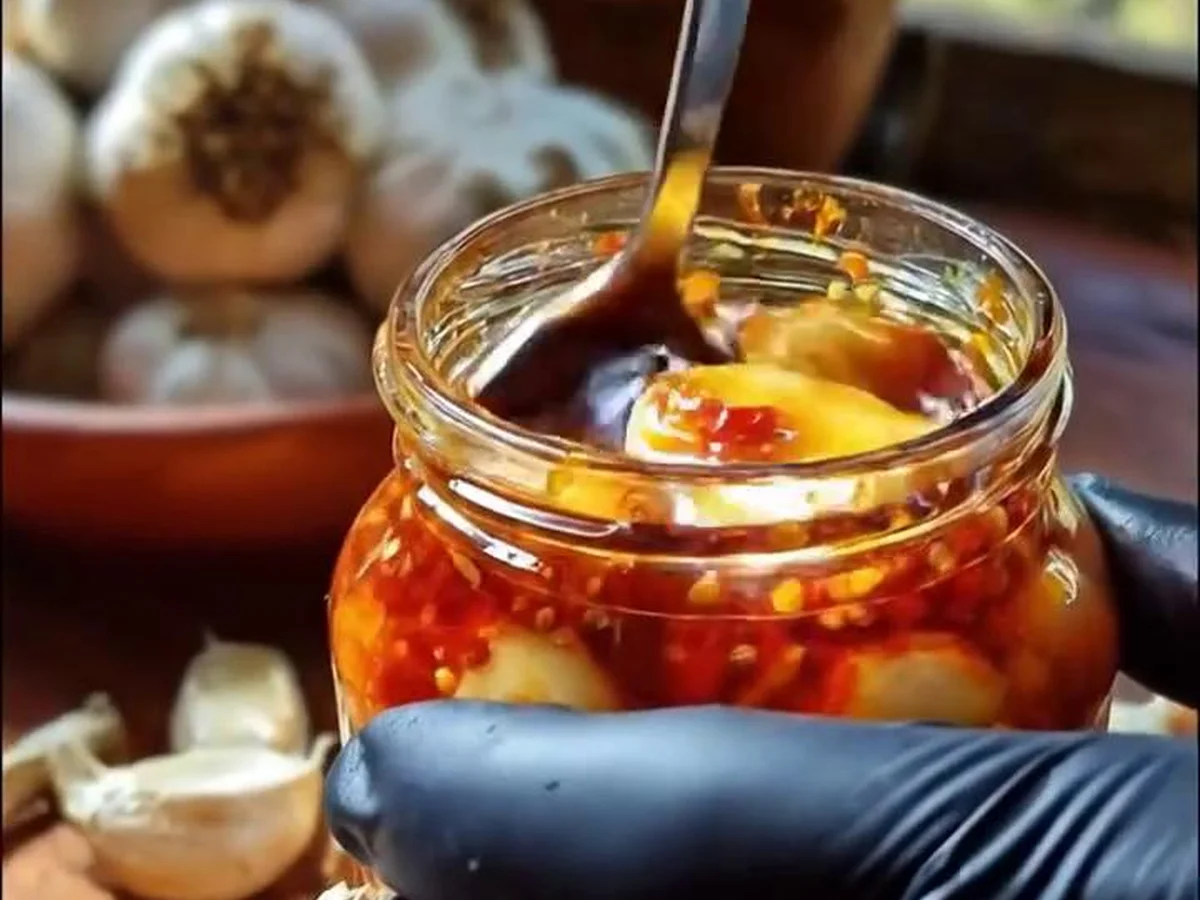
There’s an undeniable magic in pickling—a preservation technique that transforms mundane ingredients into tangy treats that burst with flavor and aromas. Our recipe today features pickled garlic, a zesty condiment that has become a staple in kitchens around the world. The sharp scent of vinegar, the sweet undertone of sugar, and the unmistakable piquancy of garlic combine to create an aromatic symphony that can elevate a myriad of dishes. Imagine breaking open a jar, the brine releasing a complex scent that teases your senses, while the garlicky bulbs await to be incorporated into your next meal. Whether you’re a chef looking to enhance your culinary repertoire, or a home cook yearning for a flavorful addition to your pantry, pickled garlic meets all expectations.
But why is this dish so beloved? Beyond its culinary prowess, pickled garlic embodies comfort food status while also being versatile enough to star in gourmet dishes. It can be enjoyed on its own as a snack, tossed into salads, or slathered on a charcuterie board. The sensations of crunchiness, tanginess, and umami hit all the right notes, making it not just a sidekick but a powerful player on the palate. Join me as we delve deeper into the world of pickled garlic, exploring its historical roots, ingredient intricacies, and the delights of its presence on your dinner table.
The Origins and History
Pickling has been utilized by civilizations across the globe for centuries, serving as a method to preserve foods and enhance their flavors. The history of garlic is almost as rich as the flavor it imparts; it has been cultivated for over 5,000 years and has profound ties to numerous cultures. Ancient Egyptians revered garlic, believing it imparted strength, while Greek athletes consumed it for stamina. Its journey through Europe saw it integrated into various cuisines, occasionally pickled for preservation and easy consumption. The art of pickling garlic specifically seems to float between cultures, influenced by regional tastes—consider the garlic-soaked condiments of Southeast Asia and the garlicky escabeche of Spanish heritage. Today, the marriage of garlic and vinegar gained modern popularity, especially among food enthusiasts keen to embrace their culinary roots while adapting global flavors to new techniques.
Why You Will Absolutely Love This Recipe
- Flavor Profile: The balance of tangy vinegar with the boldness of garlic creates a multidimensional taste experience that tantalizes the taste buds.
- Ease of Preparation: This recipe requires minimal ingredients and simple methods, making it accessible for cooks of all levels.
- Crowd-Pleaser: The unique yet familiar taste profile of pickled garlic can win over even the most skeptical eaters, making it perfect for gatherings.
- Versatile Uses: Whether it’s on a cheese board, as a tangy addition to a salad, or integrated into savory dishes, pickled garlic adapts seamlessly to various cuisines.
- Delicious Leftovers: The flavor only intensifies over time, making it an excellent choice for preparing in advance and enjoying throughout the week.
Deep Dive into the Ingredients
The beauty of pickled garlic lies in its simple yet profound ingredient list. Each element serves a purpose, contributing to the overall flavor, aroma, and preservation of the garlic. Let’s take a closer look at the key components.
- Peeled Garlic Cloves: Fresh garlic is the star of this dish. Halving the cloves allows for increased surface area, ensuring they absorb the brine fully. Using fresh, firm garlic ensures that your pickled product is both fragrant and flavorful.
- White Vinegar: Its sharp acidity serves as an important flavor enhancing agent. This type of vinegar is chosen for its clean taste, helping to balance the garlic’s pungency. If a milder profile is desired, apple cider vinegar can be used as a substitute, introducing a hint of sweetness.
- Water: Diluting vinegar in this instance moderates the acidity, yielding a brine that preserves without overpowering. It’s vital to maintain the right balance so the garlic’s flavor shines through.
- Sugar (Optional): Adding sugar can transform the sharpness of garlic and vinegar into a pleasing sweetness that rounds out the final flavor. For those who prefer a more savory approach, feel free to omit this ingredient.
- Salt: A crucial preservative, salt enhances the brine’s flavor while promoting the crunchy texture of the garlic. It’s advisable to choose kosher or sea salt, which dissolves more evenly.
- Black Peppercorns: These little flavor bombs add another dimension to the pickle with their aromatic heat, complementing the garlic beautifully.
- Red Pepper Flakes (Optional): For those who enjoy a little heat, the addition of red pepper flakes can spruce up the brine, appealing to spice lovers while still allowing the garlic’s essence to take center stage.
Pro Tips for Perfect Results
To ensure your pickled garlic achieves optimal flavor and texture, consider the following professional tips:
- Use Fresh Garlic: Ensure your garlic cloves are fresh and firm. Avoid those that are sprouting or showing signs of softness.
- Adjusting Acidity: Feel free to adjust the vinegar-to-water ratio based on your taste preferences. Some might prefer a sharper bite; others may favor a subdued acidity.
- Allow Adequate Infusion Time: For the best flavor, let the garlic pickle in the brine for at least 24 hours, but ideally, 1-2 weeks for the flavors to meld beautifully.
- Experiment with Flavors: Try adding herbs like dill or bay leaves to the brine for unique twists. Other spices, such as mustard seeds or coriander, can enrich the complexity of flavors.
- Sanitize Jars: The cleanliness of your jars can affect preservation. Always ensure your canning jars are sterilized before use to prevent bacteria from spoiling your garlic.
Serving and Pairing Suggestions
Pickled garlic is incredibly versatile. It can enhance a variety of dishes, including:
- A salad topped with pickled garlic, integrated with greens and dressings.
- Charcuterie boards, paired alongside cured meats, cheeses, and olives.
- Sandwiches or burgers to add a tangy zing.
When it comes to beverages, consider pairing your pickled garlic with a refreshing white wine or a bold amber beer, facilitating a perfect balance of flavors. Ideal occasions for serving include barbecues, picnics, or even intimate dinner parties.
Storage, Freezing, and Reheating
Your pickled garlic can be conveniently stored in airtight jars in the refrigerator. Properly sealed, it can last up to 3 months, with flavors only improving with time. However, due to the brining process, freezing is not advisable as it may result in a mushy texture. There is typically no reheating required, as it’s served cold or at room temperature—best enjoyed straight from the jar!
Frequently Asked Questions (FAQ)
- Can I use raw garlic instead of peeled cloves? Yes, while peeled garlic offers convenience, you can also pickle raw cloves. Just ensure they are well-cleaned.
- How long should I wait before consuming? Allow a minimum of 24 hours for the flavors to infuse, but for the richest taste, aim for 1-2 weeks.
- Can I adjust the spice level? Absolutely! You can modify the amount of red pepper flakes based on your tolerance for heat, or even skip them entirely.
- What if I prefer a milder garlic taste? Leaving the garlic submerged in brine for shorter periods reduces the intensity; try quick pickling for a short stowaway between fresh and pickled.
Conclusion
Pickled garlic offers an opportunity to elevate your culinary creations while providing a layered, tangy side dish to enjoy. With its straightforward ingredients and ease of preparation, it invites you into the world of pickling with endless possibilities. Embrace this flavorful journey, and soon you will find that pickled garlic not only livens up your meals but may just become a cherished pantry staple.
The History of This Recipe
Pickled garlic traces its origins back to ancient civilizations, where garlic was revered not only for its culinary uses but also for its medicinal properties. Early cultures, including the Egyptians and Greeks, discovered that preserving garlic in vinegar enhanced its flavor and extended its shelf life.
As trade routes expanded, the practice of pickling garlic spread across Europe and Asia, with each region developing its unique recipes and flavors. This preservation method allowed communities to enjoy the pungent taste of garlic year-round, further embedding it into their culinary traditions.
Today, pickled garlic is celebrated for its tangy crunch and versatility in various dishes, from salads to charcuterie boards. Its origins remind us of the resourcefulness of ancient peoples who sought to preserve food and enhance its flavors through simple techniques.
Pickled Garlic
INGREDIENTS
- 1 cup peeled garlic cloves, halved
- 1 cup white vinegar
- 1 cup water
- 2 tablespoons sugar (optional, for a sweeter taste)
- 1 teaspoon salt
- 1 teaspoon black peppercorns
- 1 teaspoon red pepper flakes (optional, for heat)
INSTRUCTIONS
Begin by peeling the garlic cloves and then halving them. Measure out one cup and set aside.
In a medium saucepan, combine the white vinegar, water, sugar (if using), and salt. Stir the mixture over medium heat until the sugar and salt are fully dissolved.
Once the mixture is combined, add the black peppercorns, red pepper flakes (if using), and bay leaf to the saucepan.
Increase the heat and bring the mixture to a boil. Allow it to boil for about 1-2 minutes.
Carefully add the halved garlic cloves to the boiling mixture. Let it boil for another 1-2 minutes to blanch the garlic.
Remove the saucepan from heat and let it cool slightly for about 10 minutes.
Using a clean glass jar or mason jar, carefully transfer the garlic cloves along with the pickling liquid into the jar. Make sure the garlic is fully submerged in the liquid.
Seal the jar with a lid and allow it to cool to room temperature.
Once cooled, refrigerate the jar. Let the garlic pickle in the fridge for at least 24 hours before consuming for best flavor.
The pickled garlic can be stored in the refrigerator for up to a month.
Time & Calories:
Total Time: 30 minutes (plus 24 hours for pickling)
Calories: Approximately 5 calories per garlic clove (varies based on size and ingredients used).
NOTES
Enjoy your delicious homemade Pickled Garlic !