Introduction
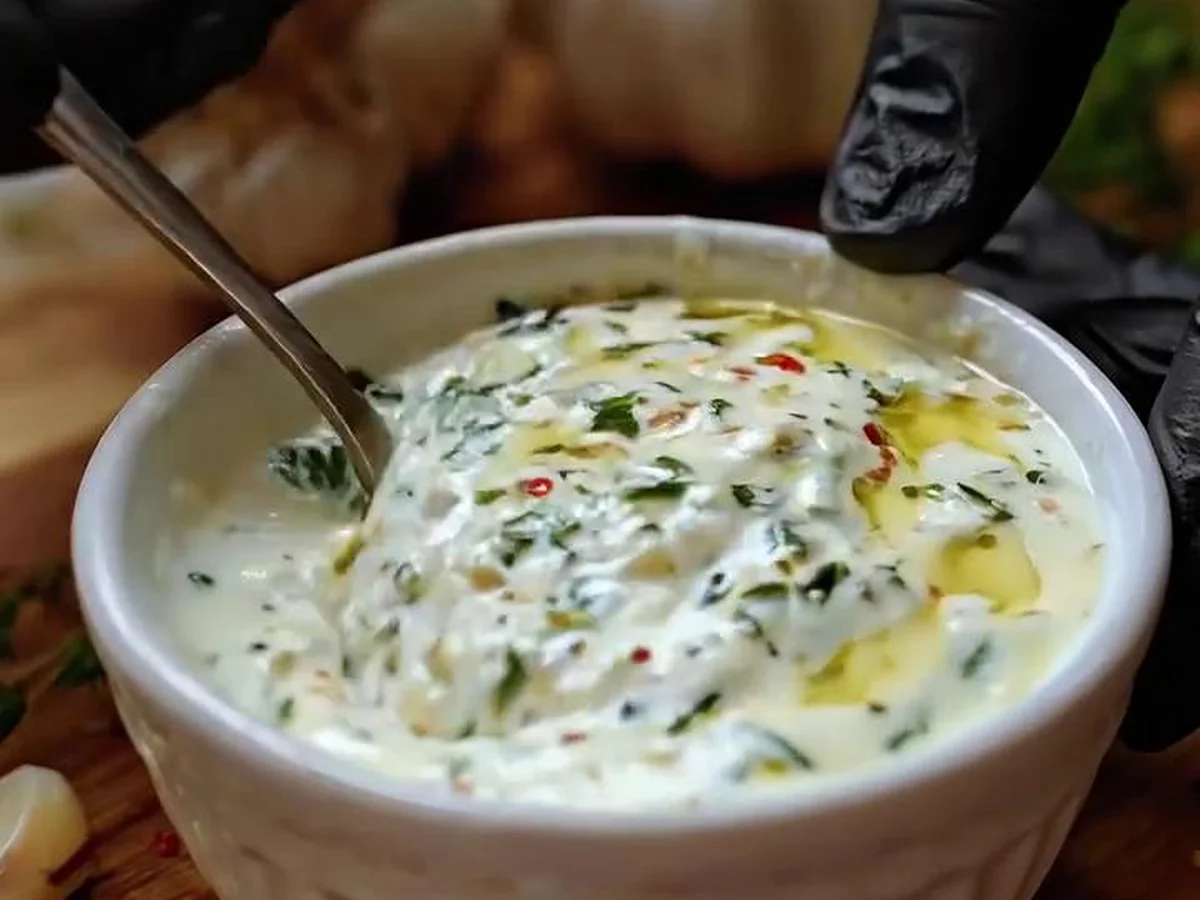
Garlic sauce is an intoxicating concoction that bridges cultures and cuisines, enveloping dishes in its aromatic embrace. The heady aroma of freshly crushed garlic mingling with the zesty brightness of lemon and the rich smoothness of olive oil creates an olfactory delight that tantalizes the senses. Whether drizzled over grilled meats, slathered on crusty bread, or used as a dipping sauce for crunchy vegetables, garlic sauce is a staple that inspires passion in the home chef and professional alike.
This sauce not only enhances the taste of countless dishes but also brings nostalgia, reminding us of family gatherings where the whole table would be covered in vibrant plates and this zesty elixir was a proud centerpiece. Its creamy yet light texture invites you to dip and savor every morsel, making it a comfort food contender that never disappoints. As you slowly take in a spoonful or coat your favorite dish, the vibrant flavors unfold, creating a sense of warmth and contentment that feels like a hug for your taste buds. Whether you’re hosting a gathering or simply wanting to elevate a weeknight meal, garlic sauce is the perfect companion.
The Origins and History
Garlic sauce has roots that reach far and wide across culinary landscapes, from the Mediterranean to the Middle East, adapting and evolving in various cultures. Italian aioli, a mayonnaise-like emulsion often flavored with garlic, has become a classic companion for seafood pasta and grilled vegetables. In Middle Eastern cuisine, toum stands as a potent example, a thick, garlic-based emulsion that can easily overpower yet beautifully complement grilled meats like shawarma. Each version carries with it a history steeped in tradition, showcasing the versatility and cherished place garlic holds in kitchens around the globe.
Speculatively, garlic’s significant impact on human diets dates back thousands of years, with its use as both food and medicine in ancient civilizations. Garlic sauce likely evolved as a means to enhance flavors and provide a remedy for health ailments. Today, its presence on tables worldwide signifies not just culinary creativity, but a shared love for food that connects people regardless of their backgrounds.
Why You Will Absolutely Love This Recipe
- Flavor Profile: The harmonious blend of garlic, lemon, and olive oil creates a sauce that is both bold and refreshing, balancing savory and tangy notes.
- Ease of Preparation: This recipe is remarkably simple; a few fresh ingredients combined in moments result in an extraordinary flavor enhancer.
- Crowd-Pleaser: Garlic sauce is universally loved and adds an irresistible element to any meal, making it perfect for entertaining or family dinners.
- Leftovers Galore: The flavors deepen and become even more intense after a day in the fridge, making it an excellent option for meal preparation.
Deep Dive into the Ingredients
To create the perfect garlic sauce, each ingredient has been carefully selected for its flavor and contribution. Let’s break down these components:
- Garlic: The star of the show, garlic brings a robust flavor that serves as the backbone to this sauce. Using fresh garlic cloves, rather than pre-minced or powdered varieties, ensures maximum potency and a vibrant flavor profile. Garlic is also celebrated for its health benefits, purportedly aiding immune function and possessing anti-inflammatory properties.
- Lemon Juice: The juice of half a lemon not only adds acidity to balance the richness of the olive oil but also brightens the sauce, enhancing its overall flavor. The natural tartness complements the pungent garlic, ensuring a well-rounded taste experience that makes each bite enjoyable rather than overwhelming.
- Olive Oil: A staple in Mediterranean cooking, olive oil serves to create a luscious texture in garlic sauce. Extra virgin olive oil brings fruity undertones, while its monounsaturated fats provide a healthful aspect. The oil acts as a solvent, melding the flavors together and making the sauce smooth and creamy.
- White Vinegar: A splash of white vinegar introduces subtle notes of acidity that enhance the freshness of the sauce. It helps in cutting through the richness, encouraging a pleasurable contrast on the palate.
- Dijon Mustard (optional): Including a touch of Dijon mustard gives the sauce a unique depth and a slight tang, which can elevate the dippings experience. For those who enjoy a bit of zest, this component can shine, but it can easily be omitted for a purer garlic expressiveness.
- Black Pepper: Finally, a little black pepper adds warmth and slight heat, molding into the sauce’s overall character. While keeping it mild, feel free to adjust the level according to your taste preference.
Pro Tips for Perfect Results
Creating a luscious garlic sauce is about technique as well as ingredients. Here are some professional tips to ensure your sauce reaches exceptional levels:
- Crush Garlic Properly: When preparing garlic, use a chef’s knife to crush the cloves slightly before mincing them. This method releases more of the aromatic oils and enhances the flavor.
- Use Room Temperature Ingredients: For the best emulsification, bringing all ingredients to room temperature ensures they blend smoothly and maintain the desired consistency.
- Emulsify Gradually: When combining the ingredients, add the olive oil slowly while whisking to create an emulsion. This technique prevents separation, yielding a thick and creamy sauce.
- Resting Time is Key: Allow your garlic sauce to rest for at least 30 minutes in the fridge before serving. This step enables the flavors to meld together, transforming the sauce into a more cohesive condiment.
Serving and Pairing Suggestions
Garlic sauce is incredibly versatile and can be served in various ways to complement a meal. Consider using it as a drizzle over grilled vegetables, a light dressing for salads, or a condiment for grilled meats such as chicken, lamb, or beef. Pair it with warm pita bread, crusty baguettes, or even as a spread in sandwiches. For drinks, a crisp white wine or a light Mediterranean beer can be excellent accompaniments, enhancing the overall dining experience.
Storage, Freezing, and Reheating
Garlic sauce can be stored in an airtight container in the refrigerator for up to one week, preserving its bold flavors. While freezing is not generally recommended due to potential texture changes upon thawing, you can still refrigerate it for excellent taste retention. When you’re ready to enjoy it again, simply give it a good stir to reintegrate the components, and use as needed!
Frequently Asked Questions (FAQ)
- Can I use garlic powder instead of fresh garlic? While garlic powder can be used in a pinch, it lacks the potency and freshness of raw garlic, which is essential to the flavor profile in this sauce.
- What can I use instead of olive oil? If olive oil is not available, avocado oil or canola oil can be good alternatives, but they may alter the flavor slightly.
- Is this sauce suitable for vegans? Absolutely! This garlic sauce contains no animal products and is entirely vegan-friendly.
- How can I adjust the garlic flavor? To make the sauce less pungent, you can roast the garlic to mellow its bite or use fewer cloves based on your personal preference.
- Can I add herbs to the sauce? Certainly! Fresh herbs like parsley or cilantro can be folded into the sauce for added freshness and flavor.
Conclusion
As you take on the adventure of preparing garlic sauce, remember that this simple condiment has the power to elevate any dish and bring love into the kitchen. With just a few ingredients, you create a culinary delight that will be a hit with everyone. So grab your garlic, whisk away, and let the magic of this sauce transform your meals!
The History of This Recipe
Garlic sauce originated in the Mediterranean region, where garlic has been a staple for centuries, celebrated for its flavor and health benefits. It is believed that ancient civilizations first combined garlic with oils and vinegars, creating a simple yet flavorful condiment.
As trade expanded, garlic sauce traveled along trade routes, evolving through cultural exchanges. Each region added its unique twist, incorporating local ingredients and flavor profiles, leading to the diverse varieties we enjoy today.
In the modern era, garlic sauce has gained popularity worldwide, often served with grilled meats, vegetables, and bread. This aromatic condiment has become a beloved staple in many cuisines, symbolizing the fusion of tradition and innovation in culinary art.
Garlic Sauce
INGREDIENTS
- Juice of ½ lemon
- Salt to taste
- 4 large garlic cloves
- ½ cup olive oil
- 1 tablespoon white vinegar
- 1 teaspoon Dijon mustard (optional)
- ¼ teaspoon black pepper
INSTRUCTIONS
Begin by peeling the garlic cloves and mincing them finely. You want them to be as small as possible to release their flavor.
In a mixing bowl, combine the minced garlic with the juice of ½ lemon and a pinch of salt. Let this mixture sit for about 5 minutes to allow the flavors to meld.
After the garlic has marinated, add the olive oil to the bowl slowly while whisking continuously. This will help emulsify the sauce.
If you are using white vinegar and Dijon mustard, add them to the mixture now, along with black pepper, and continue to whisk until all ingredients are well combined and the sauce is smooth.
Taste the sauce and adjust the salt and lemon juice according to your preference.
Transfer the garlic sauce to a serving bowl. If desired, garnish with freshly chopped herbs for added flavor and color.
Serve immediately or refrigerate the sauce for up to a week to let the flavors develop further.
Time & Calories
Preparation Time: 10 minutes
Total Time: 10 minutes
Estimated Calories: 85 calories per serving (based on a serving size of 2 tablespoons)
NOTES
Enjoy your delicious homemade Garlic Sauce !