Introduction
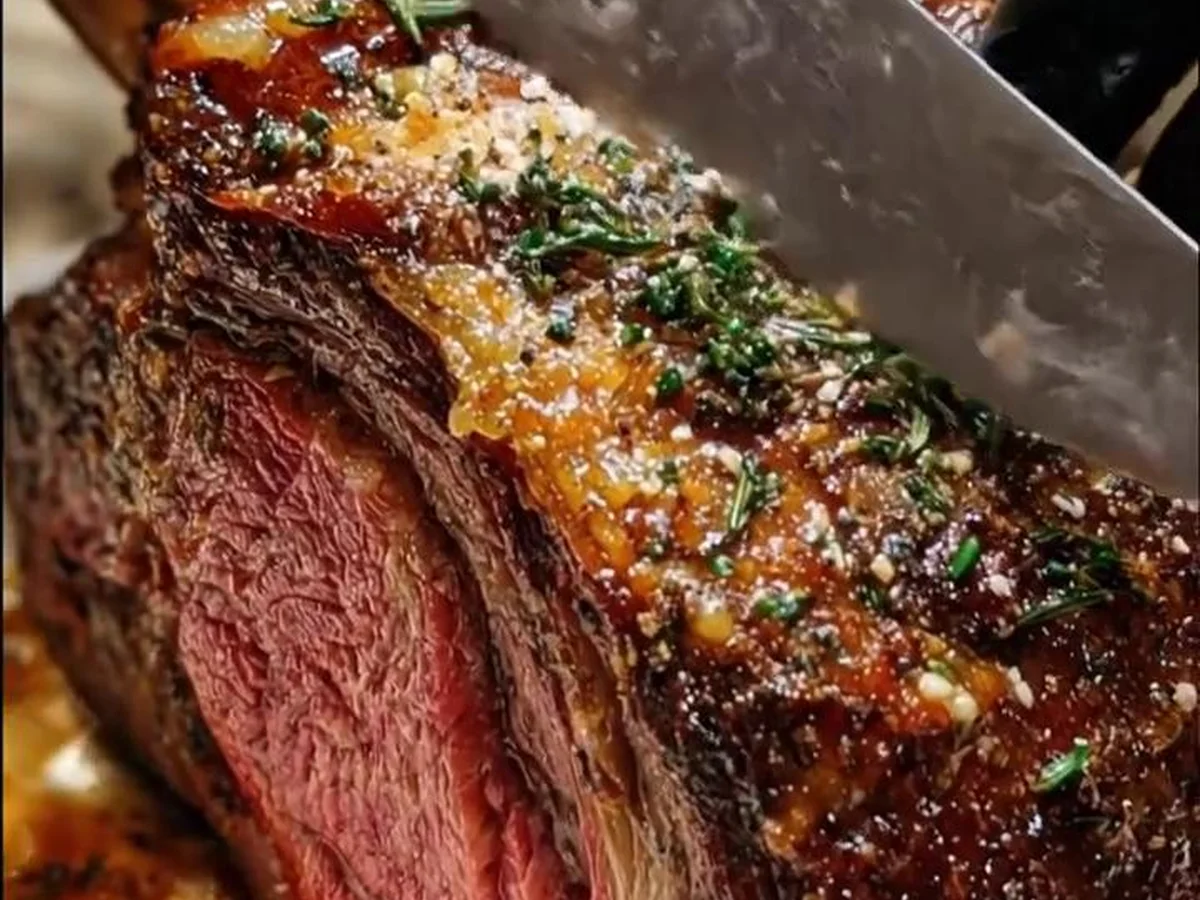
There’s something undeniably luxurious yet familiar about serving a bone-in prime rib roast at a gathering. The marbling of the beef, the seductive aroma of herbs wafting through the air, and the roast’s impressive presentation make it the crown jewel of beef dishes. As it rests on the table, inviting everyone to take a bite, the rich and tender meat calls out to your senses. When cooked to perfection, the crunchy crust gives way to succulent, pink interior layers, evoking feelings of warmth and comfort. In many households, prime rib is more than just a meal; it’s a tradition that transcends generations, gracing holidays and special occasions with its palatable grandeur.
As guests gather around, the utmost anticipation builds, giving way to silence as the first slice of this glorious roast is carved. Steam rises gently, engulfing you in an irresistible embrace of savory goodness. Tasting it is reminiscent of a delightful culinary adventure, where every bite carries an exquisite harmony of flavors—enhanced by the harmonious marriage of salt, pepper, garlic, and thyme. A bone-in prime rib roast is not merely a dish but a celebration, an instant crowd-pleaser that binds people together.
The Origins and History
The prime rib cut traces its roots back to England in the 19th century. Originally a chef’s table indulgence, it saw its popularity soar as it became a favored choice for royal feasts. The traditional cooking technique would involve roasting the meat over an open flame, allowing the drippings to enhance the flavor further. Today, this savory tradition has evolved into a staple for gatherings across various cultures, with techniques and spices yielding diverse and innovative variations.
In America, the dish crossed the Atlantic and garnered its fame throughout the mid-20th century. Famous steakhouses began serving the primal cut, introducing side dishes and sauces that amplified its real appeal. The bone-in element adds a layer of richness and moisture, giving the roast its characteristic succulence. It married perfectly with a multitude of sides, from Yorkshire pudding to creamy horseradish sauce, laying the foundation for family traditions throughout the seasons.
Why You Will Absolutely Love This Recipe
- Flavor Profile: The combination of garlic, onions, and thyme melds seamlessly into the meat, resulting in a succulent roast that dances on the palate.
- Ease: While it may seem daunting, the steps are straightforward. With a bit of patience and intentionality, anyone can achieve that restaurant-quality presentation.
- Crowd-Pleaser: This dish’s presence on the table will immediately elevate any gathering. Guests will rave about its tenderness and rich flavors.
- Leftovers Galore: Prime rib makes for ideal leftovers, lending itself wonderfully to sandwiches, salads, and stews, ensuring no bite is wasted.
Deep Dive into the Ingredients
To achieve the tender, flavorful goodness of a bone-in prime rib roast, the quality of your ingredients matters. Let’s delve deeper into each component of this recipe:
- Bone-in Prime Rib Roast (5-7 lbs): Always choose a cut with abundant marbling. The fat within the roast will baste the meat during cooking, enhancing its flavor and providing that sought-after tenderness. When selecting, look for a bright red color and a solid yet tender texture. The bone adds not only flavor but also retains moisture, making your roast juicier.
- Olive Oil: Olive oil enhances the Maillard reaction, creating that exquisite crust you can’t resist. It also serves as a binder for the seasoning, ensuring the flavors adhere optimally to the meat.
- Salt: Salt is essential for drawing out moisture and enhancing the meat’s natural flavors. Opt for kosher salt for its coarse texture that evenly distributes over the surface.
- Freshly Ground Black Pepper: Freshly ground peppercorns introduce a certain depth with their sharp spice, amplifying the roast’s overall flavor profile.
- Garlic Powder: This adds a punchy and aromatic essence that pairs beautifully with beef, enriching each bite with its warm characteristics.
- Onion Powder: Its sweetness cuts through the richness of the prime rib, providing a well-rounded flavor that complements the other seasonings.
- Dried Thyme: Thyme’s earthy notes harmonize with the meat, elevating the savory aspects and providing a delightful aroma while roasting.
Pro Tips for Perfect Results
Achieving a perfect bone-in prime rib roast is a science combined with art. Here are some pro tips to guarantee that you end up with a restaurant-quality result:
- Temper the Meat: Before cooking, allow the roast to sit at room temperature for at least one hour. This step enables even cooking throughout.
- Searing: For that irresistible crust, consider searing the roast at a high temperature for the first 20-30 minutes before reducing it. This caramelization will deepen the flavors significantly.
- Use a Meat Thermometer: Relying on sight alone can be misleading. A meat thermometer will provide accuracy—aim for an internal temperature of 125°F for rare, 135°F for medium-rare, and 145°F for medium.
- Resting Period: After removing from the oven, let the roast rest for at least 20-30 minutes before slicing. This allows juices to redistribute, keeping the meat moist.
- Slice Against the Grain: When you’re ready to carve, be attentive to the grain. Slicing against it will yield tender pieces that melt in the mouth.
Serving and Pairing Suggestions
The beauty of a bone-in prime rib roast lies in its versatility. It pairs beautifully with side dishes such as buttery mashed potatoes, roasted seasonal vegetables, or a classic Caesar salad. For sauces, a rich red wine reduction or prepared horseradish sauce accentuates the beef’s flavors.
As for beverages, consider serving red wine—Cabernet Sauvignon or Malbec are excellent options that beautifully complement the rich flavors of the beef. Alternatively, craft beers or a smoky bourbon can also enhance the dining experience. This roast shines during festive occasions like Christmas, Thanksgiving, or even intimate family gatherings, fostering warmth and celebration.
Storage, Freezing, and Reheating
Make sure to store any leftovers properly to maximize their freshness. Allow the roast to cool completely before wrapping it tightly in plastic wrap and placing it in an airtight container. It will last in the refrigerator for up to four days. Alternatively, if you’d like to save it for a later time, slice the roast, wrap it in freezer-safe bags, and store it in the freezer for up to three months.
To reheat, gently warm in the oven at a low temperature to avoid drying out the meat, or use a microwave on lower settings. Consider splashing a little beef broth or water over the top before reheating to keep moisture intact, and cover it with foil.
Frequently Asked Questions (FAQ)
- Can I use a different cut of beef? Absolutely! Cuts such as ribeye or sirloin can also be delicious, but they will require different cooking techniques and times.
- What’s the difference between bone-in and boneless prime rib? Bone-in prime rib contains more flavor and moisture due to the marrow and fat, making it preferred by many chefs and culinary enthusiasts.
- How do I choose a prime rib roast? Always seek a cut with even marbling, bright red color, and minimal surface fat. A good butcher can guide you in selecting the best cut.
- Can I season the roast in advance? Yes! For even deeper flavors, season the roast 24 hours in advance and allow it to rest in the refrigerator, removing it an hour before cooking.
- How do I know when my roast is done cooking? A meat thermometer is your best friend here. Test in the thickest part of the roast for an accurate reading.
Conclusion
In a world of quick meals, a bone-in prime rib roast is a majestic dish that brings a touch of celebration to any occasion. Its sumptuous flavors and impressive presentation make it worthy of being the centerpiece at your table. Embrace this recipe, and create experiences that will nourish both the body and the soul.
The History of This Recipe
The Bone-in Prime Rib Roast traces its roots back to the lavish feasts of medieval Europe, where royal families would showcase grand cuts of meat. It became a symbol of celebration and abundance, often served during important gatherings and festivities.
As time progressed, the tradition of slow-roasting prime rib evolved, particularly in the United Kingdom, where it became a staple of the Sunday roast. The method of cooking allowed the rich flavors to develop, leading to a tender and juicy result that delighted taste buds.
In the United States, the dish gained immense popularity in the mid-20th century, becoming a favored choice for holidays and special occasions. Today, Bone-in Prime Rib Roast continues to be a centerpiece of culinary indulgence, revered for its flavor and grandeur at family gatherings and restaurants alike.
Bone-in Prime Rib Roast
INGREDIENTS
- 1 bone-in prime rib roast (5–7 lbs)
- 2 tablespoons olive oil
- 2 tablespoons salt
- 1 tablespoon freshly ground black pepper
- 1 tablespoon garlic powder
- 1 tablespoon onion powder
- 2 teaspoons dried thyme
INSTRUCTIONS
Preheat your oven to 450°F (232°C).
In a small bowl, mix together the salt, black pepper, garlic powder, onion powder, dried thyme, dried rosemary, and paprika to create a dry rub.
Pat the prime rib roast dry with paper towels and place it on a large roasting pan, bone-side down.
Rub the olive oil all over the roast, ensuring that it is evenly coated.
Generously apply the dry rub mixture to the roast, pressing it into the meat to adhere well.
Allow the roast to sit at room temperature for about 30 minutes to 1 hour to take off the chill (this helps it cook evenly).
Place the roast in the preheated oven and cook at 450°F (232°C) for 20 minutes. This initial high temperature helps to form a crust on the roast.
Reduce the oven temperature to 325°F (163°C) and continue to roast the prime rib until it reaches your desired level of doneness (use a meat thermometer for accuracy):
Rare: 120-125°F (49-52°C)
Medium Rare: 130-135°F (54-57°C)
Medium: 140-145°F (60-63°C)
Well-Done: 160°F and above (71°C and above)
For medium-rare, you will typically roast for about 1.5 to 2 hours after reducing the temperature, depending on the size of the roast.
Once the desired internal temperature is reached, remove the roast from the oven and tent it loosely with aluminum foil. Allow it to rest for at least 20-30 minutes before slicing. Resting the roast helps redistribute the juices.
When ready to serve, slice the roast against the grain into thick slices. Arrange on a serving platter and drizzle with beef broth or serve with au jus if desired. Garnish with fresh herbs if using.
Time & Calories:
Total Time: Approximately 3 hours (including prep and resting)
Calories: Approximately 400-600 calories per serving (depending on the size of your serving and the cut of beef).
NOTES
Enjoy your delicious homemade Bone-in Prime Rib Roast !