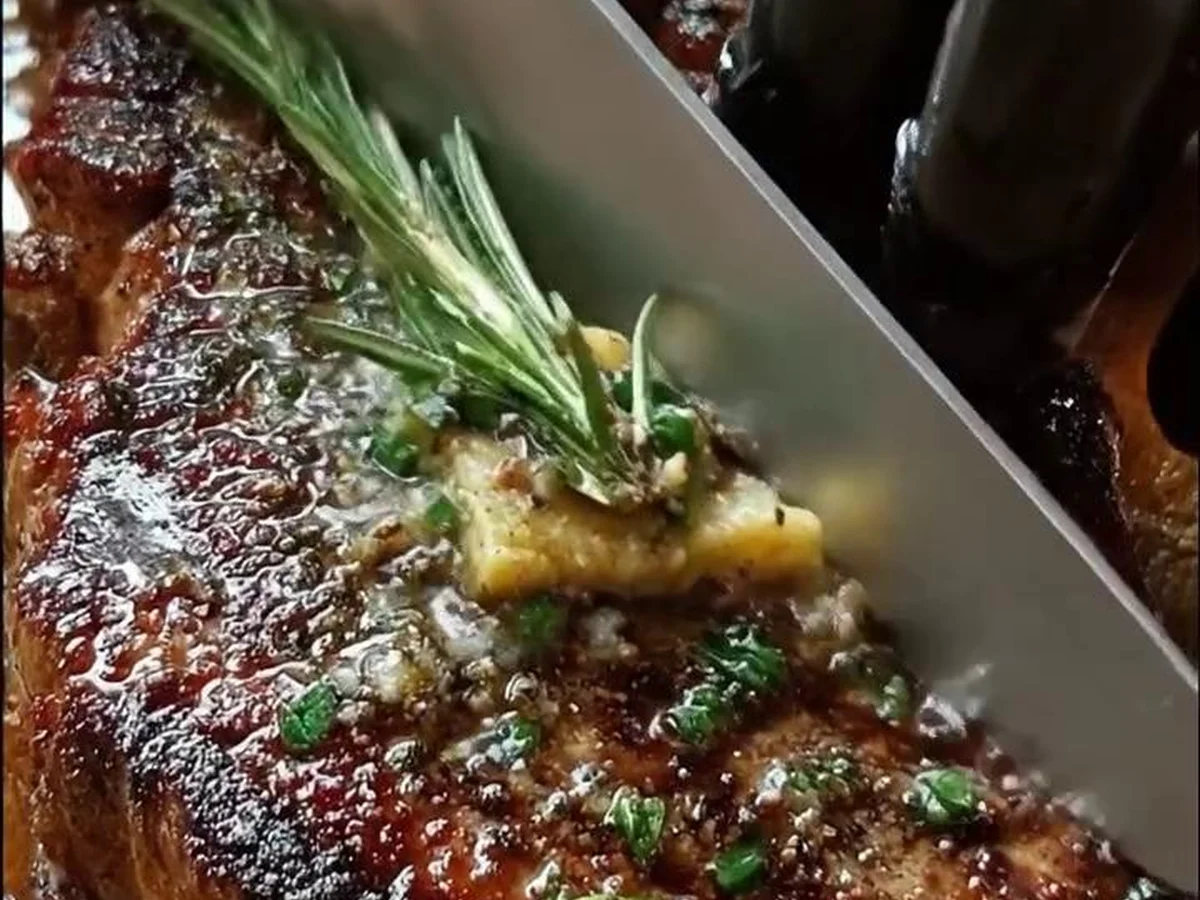
Introduction
When it comes to comfort food, few dishes hold a candle to the succulent pleasure of a perfectly cooked ribeye steak. This cut of beef, known for its marbling and tenderness, evokes mouth-watering anticipation right from the moment it touches the grill. The scent of sizzling meat mingling with herbs awakens a primal hunger in us, as golden-brown crust forms while the juices bubble and seal in all that meaty goodness. Each cut reveals a rich tapestry of flavors, a symphony of buttery notes complemented by subtle hints of smoke and a whisper of terroir, depending on how it’s cooked and seasoned. The ribeye steak stands as a staple in steakhouses, backyard barbecues, and family dinners alike, where it has become synonymous with celebration and satisfaction. Whatever the occasion—be it a Friday night treat or a summer cookout—the ribeye truly delivers that gratifying experience that just makes life a little bit better.
The Origins and History
The ribeye steak derives its name from the ‘eye’ of the rib, which is a section of the rib primal cut taken from the upper rib cage of the cow. This cut has roots that trace back to various culinary traditions around the globe. Originating from Europe, beef has long been celebrated in different contexts—from the rustic steak frites of France to classic British Sunday roasts. It has, over time, evolved into an American classic, particularly in the Midwest. The ribeye showcases the claims of American beef, especially in regions known for cattle ranching, such as Texas and Nebraska. The prevalence of barbecue culture in the United States has only solidified the ribeye’s status as a cherished cut, one that has transformed communal eating into a delightful ritual steeped in flavors, stories, and traditions.
Why You Will Absolutely Love This Recipe
- Flavor Profile: The ribeye’s marbling provides a rich, juicy flavor alongside its tender texture, requiring minimal seasoning to shine.
- Ease: Simple and straightforward preparation makes it accessible to even novice cooks; the final result feels gourmet without the culinary stress.
- Crowd-Pleaser: Whether you are hosting a dinner party or a casual family meal, this dish impresses every time, appealing to a wide range of palates.
- Leftovers: Any uneaten portions can easily elevate the next day’s meals, making for glorious steak sandwiches, salads, or even breakfast hashes.
Deep Dive into the Ingredients
The success of a ribeye steak largely depends on the quality of its ingredients, starting with the star of the show, the ribeye itself. This cut is known for its generous marbling—a fancy term for the thin strands of fat interspersed within the muscle. When cooked, this fat melts into the meat, providing unrivaled juice and flavor. For the best experience, choose steaks that are USDA Prime or Choice grade, as they offer superior taste and tenderness.
Next, we turn to olive oil. This ingredient not only assists in searing the steak but also adds a layer of fruity complexity to the dish. Choose a high-quality extra virgin olive oil for its richness; however, if you prefer, avocado oil or canola oil can serve as adequate substitutes.
Then comes the essential seasonings: coarse kosher salt and freshly ground black pepper. Unlike fine table salt, kosher salt’s larger grains allow for better adherence to the meat and more even seasoning, elevating the ribeye’s flavors. Freshly ground black pepper provides a peppery kick that complements the meat’s richness beautifully.
Lastly, we cannot overlook the aromatics: crushed garlic and fresh rosemary or thyme. Garlic infuses the steak with a savory depth of flavor while herbs like rosemary impart an earthy, aromatic fragrance that makes the cooking process even more enticing. While the butter is technically optional, finishing the steak with it adds a luxurious mouthfeel and enhances richness, encapsulating the ribeye steak experience.
Pro Tips for Perfect Results
Cooking ribeye steak to perfection is an art, and thankfully, there are several techniques you can employ to achieve mouthwatering results. First off, start by allowing your steaks to come to room temperature before cooking—this helps ensure even cooking throughout. For the perfect sear, make sure your pan or grill is preheated to high heat. The key here is to create that beautiful, caramelized crust while locking in the juices.
When it’s time to cook, avoid constantly fidgeting with the steaks. Let them sit undisturbed for a few minutes on one side to develop a crispy exterior, then flip to the other side. Pay close attention to the internal temperature; a meat thermometer can be invaluable. For a medium-rare finish, remove the steak from heat when it reaches 130°F, as it will continue to cook slightly during resting. Finally, resting the steak for around 5-10 minutes after cooking is crucial; it allows the juices to redistribute for that juicy bite every time.
Serving and Pairing Suggestions
Once your ribeye steak has achieved culinary greatness, consider how to best present this masterpiece. As a deliciously rich dish, it pairs wonderfully with accompaniments that balance out its depth. Classic sides include creamy mashed potatoes, sautéed green beans, or a fresh arugula salad with lemon vinaigrette. For beverages, a well-rounded red wine, such as a full-bodied Cabernet Sauvignon or a smooth Merlot, complements the steak beautifully—further enhancing its robust flavors.
This dish is perfect for occasions like anniversaries, celebratory dinners, or even a relaxing weekend meal. It transforms the mundane into something exciting, celebrating both the culinary craft and joyful companionship.
Storage, Freezing, and Reheating
If you find yourself with leftover ribeye steak, don’t fret! The cooked steak can be stored in an airtight container in the refrigerator for up to three days. When freezing, wrap it tightly in plastic wrap before placing it in a freezer-safe bag to prevent freezer burn; it can be frozen for up to three months. To reheat, gently warm the steak in a skillet over low heat, adding a bit of broth or water to prevent it from drying out. Alternatively, a warm oven can be utilized, ensuring your sumptuous ribeye is just as delightful as when it was first cooked.
Frequently Asked Questions (FAQ)
1. How do I know when my ribeye steak is done cooking?
Using a meat thermometer is the most reliable method. Aim for temperatures of 125°F for rare, 130°F for medium-rare, and 140°F for medium.
2. Can I grill a ribeye steak instead of pan-searing it?
Absolutely! Grilling can impart wonderful smoky flavors; just ensure your grill is well-preheated and use direct heat for a good sear.
3. Why use unsalted butter for finishing?
Salted butter may add too much salt to the steak after seasoning. Unsalted butter allows more control over seasoning, enhancing rather than overpowering its flavors.
4. Can I use other herbs instead of rosemary or thyme?
Definitely! Herbs de Provence, oregano, or parsley could all make delightful alternatives, depending on your flavor preferences.
Conclusion
Cooking a perfect ribeye steak isn’t just about the cut of meat; it’s an experience steeped in technique, flavor, and culture. With the right preparation and attention to detail, you can create an unforgettable dish that resonates with both the taste and the heart.
The History of This Recipe
The origin of the perfect ribeye steak dates back to the rugged cattle ranches of the American West, where ranchers prized the flavorful cuts from their grass-fed beef. These cuts, particularly from the rib section, were known for their rich marbling and tenderness, which made them a favorite among both ranchers and their guests.
As culinary techniques evolved, the ribeye steak began to gain popularity in steakhouses and restaurants, becoming synonymous with a truly indulgent dining experience. Chefs experimented with various cooking methods, from grilling to sous vide, refining the techniques that would elevate the ribeye to its status as a sought-after delicacy.
Today, the perfect ribeye steak is often celebrated for its juiciness and depth of flavor, with enthusiasts sharing tips and recipes across social media platforms. Its rich heritage continues to inspire cooks, making it a beloved centerpiece in homes and fine dining establishments alike.
Perfect Ribeye Steak
INGREDIENTS
- 2 boneless ribeye steaks (about 1 inch thick)
- 2 tablespoons olive oil
- Coarse kosher salt (to taste)
- Freshly ground black pepper (to taste)
- 3 cloves garlic, crushed
- 2 sprigs fresh rosemary or thyme (optional)
- 2 tablespoons unsalted butter (optional, for finishing)
INSTRUCTIONS
Remove the ribeye steaks from the refrigerator and let them come to room temperature for about 30-45 minutes. This ensures even cooking.
Preheat your grill or a cast-iron skillet over high heat until it’s very hot. If you’re using a grill, get it to around 450-500°F (232-260°C).
Pat the steaks dry with paper towels to remove excess moisture, which helps them sear better.
Rub the olive oil all over the steaks to coat them lightly. Season generously with coarse kosher salt and freshly ground black pepper on both sides.
If using, add the crushed garlic and rosemary or thyme to the grill or skillet to infuse the oil with flavor.
Place the steaks on the grill or in the skillet. Don’t move them around; let them sear for about 4-5 minutes on one side.
Flip the steaks and sear the other side for an additional 4-5 minutes for medium-rare, adjusting time accordingly for desired doneness:
Rare: 125°F (52°C)
Medium-rare: 135°F (57°C)
Medium: 145°F (63°C)
Medium-well: 150°F (66°C)
Well-done: 160°F (71°C)
For extra flavor, during the last few minutes of cooking, add unsalted butter to the skillet and spoon the melted butter over the steaks.
Once cooked to your liking, remove the steaks from the heat and let them rest on a cutting board for about 5-10 minutes. This allows the juices to redistribute.
Slice against the grain, serve, and enjoy!
Time & Calories
Total Time: 30-50 minutes (including resting)
Calories: Approximately 500-700 calories per steak depending on size and cooking fat used.
NOTES
Enjoy your delicious homemade Perfect Ribeye Steak !