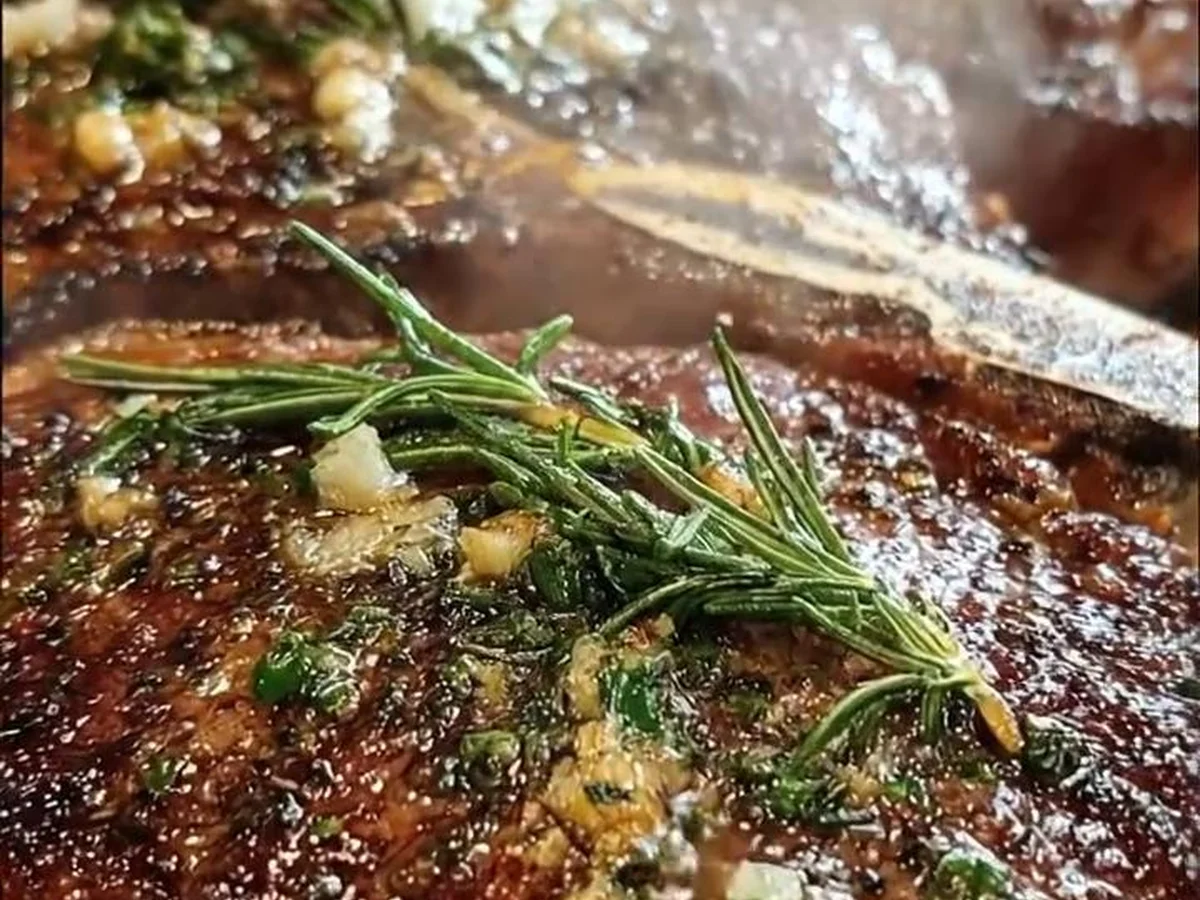
Introduction
Few culinary delights can rival the sheer satisfaction of savoring a perfectly cooked ribeye steak. As you sink your teeth into a juicy ribeye, the warm, rich flavors burst forth, each bite sending your tastebuds on a savory adventure. This cut of beef, known for its marbling and tenderness, offers an indulgent experience that transforms any ordinary meal into a celebratory feast. The aroma fills your kitchen with an irresistible scent, mingling the earthy notes of seared beef with a hint of herbs and garlic, compelling you to take that first mouthful.
In recent years, ribeye steaks have skyrocketed in popularity, not just in steakhouses but also in home kitchens. This dish has become synonymous with comfort food owing to its luscious texture and robust flavor profile. Whether you’re hosting an upscale dinner, enjoying a casual weekend barbecue, or simply treating yourself to a gourmet meal at home, ribeye steaks are a versatile favorite. And fear not culinary novices—the technique required to achieve this meaty masterpiece is easier than you might think, making it a deserving centerpiece for any dining table.
The Origins and History
The ribeye steak has roots steeped in the rich tapestry of culinary tradition around the globe. This cut derives from the rib primal, an area of the cow that is cherished for its tenderness due to the minimal muscular strain in this section. Originating from the world of butchery, it transitioned into the cutting-edge kitchens of steakhouses and becomes a star attraction on menus across the United States.
Historically, beef has been a staple in a wide array of cuisines, from the grand banquets of medieval Europe to the rustic barbecues of the American South. The ribeye steak, in its unique marbled quality, speaks to the celebration of beef in many cultures. It’s likely that the evolution of the ribeye has seen variations influenced by the influx of spices and techniques from various regions, hence the global love for what many consider the king of steaks.
Why You Will Absolutely Love This Recipe
- Flavor Profile: The ribeye boasts an intense, beefy flavor thanks to its marbling, which melts into the meat during cooking, providing a juicy and succulent texture.
- Ease of Preparation: With just a handful of ingredients and straightforward techniques, this recipe is beginner-friendly while allowing you to achieve gourmet-quality results.
- Crowd-Pleaser: Hosting a dinner party? Ribeye steaks are sure to impress your guests and leave them raving about your culinary skills.
- Leftovers: If you’re fortunate enough to have leftovers, they can be transformed into delicious sandwiches or salads the next day, making this dish versatile long after its initial preparation.
Deep Dive into the Ingredients
The ingredients for a fantastic ribeye steak are few but crucial, each contributing to the delectable experience of this dish. Let’s delve deeper into the selections:
- Ribeye Steaks: The star of the show, ribeye steaks are prized for their rich flavor and tenderness. When choosing your steak, look for a good balance of meat to fat ratio. A well-marbled piece of beef signals a juicy, flavorful outcome.
- Olive Oil or Melted Butter: Both options enhance the browning process, contributing to that coveted crust. While olive oil adds a fruity note, melted butter infuses a creamy richness that elevates the steak’s flavor.
- Salt: Preferably kosher or sea salt, it enhances the natural beef flavor and promotes a beautiful crust. Salt draws out moisture, leading to a savory explosion once cooked, and it’s essential for seasoning the steak properly.
- Freshly Ground Black Pepper: This is optional but highly recommended. It can add a delightful kick, balancing the rich taste of the beef.
- Garlic Powder: While optional, incorporating garlic powder before cooking will lend an aromatic quality that complements the steak beautifully.
- Fresh Herbs: Herbs like thyme or rosemary make a lovely garnish and offer another layer of flavor. They can be infused into the meat as it rests, giving added complexity.
As for substitutions, while ribeye is the go-to for this recipe, cuts like sirloin or T-bone offer alternative flavor profiles though with less fat. Additionally, fantastic results can still be achieved with minor adjustments in oils and seasonings depending on your taste preferences.
Pro Tips for Perfect Results
Cooking the perfect ribeye steak is an art form, and certain techniques can significantly enhance your results:
- Bring to Room Temperature: Allow your steaks to come to room temperature before cooking. This ensures more even cooking throughout the meat, preventing a cold, undercooked center.
- Searing: Use high heat for searing to achieve that mouthwatering crust. This caramelization is key to the depth of flavor, creating a wonderful Maillard reaction.
- Let it Rest: After cooking, resting your steak for at least 5-10 minutes allows the juices to redistribute, ensuring that each slice remains juicy and tender when it’s cut.
- Check for Doneness: Invest in an instant-read thermometer; for medium-rare, you’re aiming for around 135°F. Remember that residual heat will continue to cook the meat as it rests.
Serving and Pairing Suggestions
To truly elevate your ribeye experience, consider serving it alongside classic accompaniments such as roasted vegetables, creamy mashed potatoes, or a fresh garden salad. A boldly flavored wine like a Cabernet Sauvignon makes a perfect pairing, cutting through the richness of the steak. Whether you’re celebrating a special occasion or enjoying a weeknight family dinner, the beautifully plated ribeye is sure to be the star of the meal.
Storage, Freezing, and Reheating
If you end up with leftovers, which is a delightful dilemma, store your cooked ribeye steak in an airtight container in the fridge for up to three days. Reheat gently in a skillet over medium-low heat to avoid overcooking; a splash of broth can help maintain moisture. For longer storage, consider freezing the steak after it cools completely. Utilize vacuum-sealed bags, or wrap tightly in plastic wrap and then foil. It can be frozen for up to three months and reheated using a low oven or sous-vide method for the best results.
Frequently Asked Questions (FAQ)
Can I cook ribeye steak in an air fryer?
Yes, an air fryer can produce excellent results for ribeye steaks. Season your steak as desired, preheat the air fryer, and cook at high temperature for a few minutes per side, ensuring an internal temperature that matches your preference.
How do I know when my steak is done?
Apart from using a meat thermometer, you can utilize the finger test method. Press the meat gently; the firmer the texture, the more well-done it is. Compare it against the feel of the fleshy part of your palm to gauge doneness accurately.
Can I use frozen steaks for cooking?
Yes, although fresh is preferred, you can cook steaks from frozen. Just increase your cooking time slightly and ensure they reach the desired internal temperature.
Is resting really necessary?
Absolutely! Resting beef after cooking allows the juices to redistribute throughout the meat, preventing a dry steak when cut into.
Conclusion
Indulging in a juicy ribeye steak not only satiates hunger but also ignites the senses, truly celebrating the art of cooking. With the right technique and love, this dish can become a staple in your kitchen, marking both weekly meals and special occasions.
The History of This Recipe
In a small kitchen tucked away in the heart of a bustling city, a passionate chef stumbled upon the perfect recipe for ribeye steaks. Inspired by his family’s traditions and the rich flavors of their homeland, he began experimenting with seasonings and cooking techniques.
Word of his mouthwatering creations spread quickly among friends and locals, leading to a steady stream of eager customers. As the demand grew, he decided to take his talent to the next level, launching a quaint steakhouse committed to serving only the highest quality ribeye steaks.
With each plate that left the kitchen, the chef poured his heart and soul into every cut, creating an unforgettable dining experience. Juicy ribeye steaks became a beloved staple, cherished not only for their flavor but also for the warmth and passion behind their creation.
Juicy Ribeye Steaks
INGREDIENTS
- 2 ribeye steaks (1 to 1.5 inches thick)
- 1–2 tbsp olive oil or melted butter
- Salt (preferably kosher or sea salt)
- Freshly ground black pepper (optional)
- Garlic powder (optional)
- Fresh herbs (such as thyme or rosemary, optional for garnish)
INSTRUCTIONS
Start by taking the ribeye steaks out of the refrigerator about 30-60 minutes before cooking to allow them to come to room temperature. This helps them cook more evenly.
Pat the steaks dry with paper towels to remove any excess moisture. This step is crucial for achieving a nice sear.
Brush both sides of the steaks with olive oil or melted butter to enhance flavor and prevent sticking.
Generously season both sides of the steaks with salt and, if desired, freshly ground black pepper and a sprinkle of garlic powder for added flavor. Make sure to rub the seasoning in well.
Preheat your grill or cast-iron skillet over high heat until very hot. If using a grill, ensure the grates are clean and lightly oiled.
Once the grill or pan is hot, place the ribeye steaks on the cooking surface. Avoid moving them around; let them sear for about 4-5 minutes on one side.
After the first side has a beautifully charred crust, flip the steaks over and cook for another 4-5 minutes for medium-rare, adjusting the time depending on your desired doneness (3-4 minutes for rare, 5-6 minutes for medium, and 6-7 minutes for well done).
To check for doneness, you can use a meat thermometer. Medium-rare is around 130-135°F.
Once cooked to your liking, remove the steaks from the heat and let them rest for about 5-10 minutes. This allows the juices to redistribute throughout the meat.
Garnish with fresh herbs if you like, then slice against the grain for a tender bite and serve.
Time & Calories
Prep time: 10 minutes
Cook time: 10-15 minutes
Rest time: 5-10 minutes
Total time: 25-35 minutes
Estimated calories: Approx. 600-800 calories per serving (varies based on cooking method and portion size)
NOTES
Enjoy your delicious homemade Juicy Ribeye Steaks !