Introduction
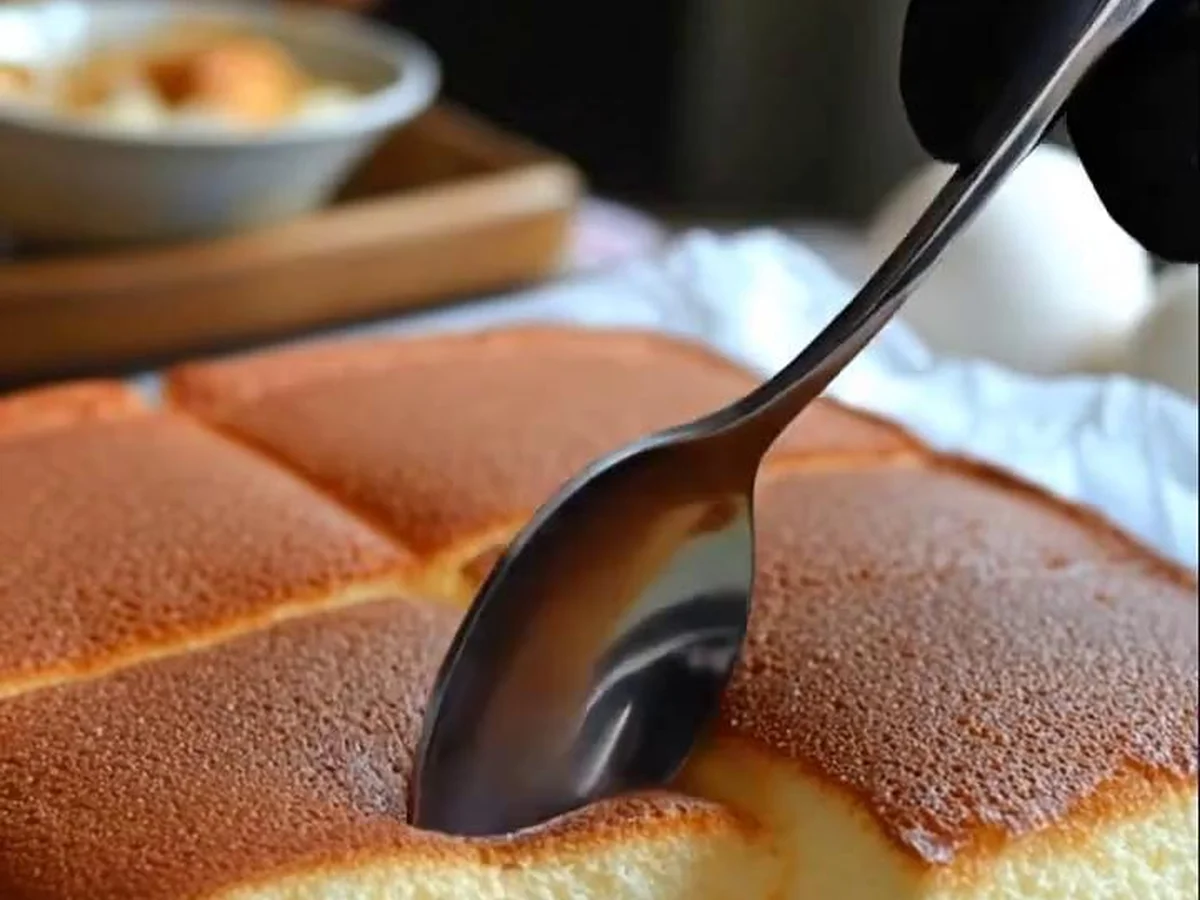
If there’s a dessert that embodies the essence of fluffy indulgence, it’s undoubtedly the Japanese Cotton Cheesecake. This ethereal cake has garnered a devoted following in culinary circles and home kitchens alike, thanks to its pillowy texture and rich yet understated sweetness. As you take your first bite, the cheesecake melts in your mouth, leaving behind a delicate sweetness that dances on your palate. The inviting aroma of cream cheese mixed with a hint of vanilla and a whisper of buttery goodness wafts from the oven, tempting anyone within sniffing distance. No wonder this dessert has earned its reputation as a comfort food staple, perfect for any occasion, be it a lavish dinner party or a cozy night in.
Japanese Cotton Cheesecake has become a beloved symbol of modern Japanese baking, merging the classic flavors of cheesecake with the lightness of a soufflé. Its popularity has expanded far beyond Japan, cementing its place on pastry menus worldwide. It’s the type of dessert that often invites second helpings, and it’s hard to resist running your fork through its pillowy layers when you catch a glimpse of it presented on a decorative plate. In a world filled with heavy, rich desserts, this cake offers a refreshing twist—a heavenly blend of silkiness and sweetness that makes it a must-try for baking enthusiasts and dessert lovers alike.
The Origins and History
The history of the Japanese Cotton Cheesecake weaves together threads of Western baking influences and traditional Japanese culinary artistry. Born from the adaptation of classic Western cheesecakes, this dessert evolved as Japanese bakers began to experiment with making lighter, fluffier cakes by incorporating techniques derived from the French soufflé. The result is a fluffy, airy dessert that is drastically different from the dense, rich cheesecake commonly enjoyed in the West. Originating in the bustling streets of Osaka in the 1990s, the Cotton Cheesecake soon captured the hearts of locals and travelers alike. It presents a perfect example of fusion cuisine, creating a memorable blend of flavors and textures that celebrates both heritage and innovation.
Why You Will Absolutely Love This Recipe
- Light and Fluffy Texture: The airy quality of this cheesecake makes it a unique dessert experience, unlike any other traditional cake.
- Easy to Make: With simple ingredients and straightforward techniques, this recipe is accessible to bakers of all skill levels.
- Versatile Flavor Profile: The subtle flavors of cream cheese and vanilla can be complemented with various toppings, from fresh fruits to a dusting of powdered sugar.
- A Visual Showstopper: Its elegant appearance makes it a standout centerpiece for any dessert table, sure to impress guests.
- Great Leftovers: This cheesecake keeps well, making it a perfect candidate for meal prep or making ahead for special occasions.
Deep Dive into the Ingredients
Understanding the key ingredients in Japanese Cotton Cheesecake is essential for achieving a flawless result. Let’s break down each component:
- Milk (100 ml): Milk provides moisture to the cheesecake while contributing to its creamy texture. For a richer flavor, you can substitute whole milk or even a non-dairy alternative like almond or oat milk, depending on dietary restrictions.
- Eggs (6 large, separated): The separation of the yolks and whites is a crucial step. The yolks add richness and help bind the mixture, while the whipped egg whites create the airy texture that characterizes this cake. For a vegan alternative, aquafaba (chickpea brine) can be used to replace the whipped egg whites.
- All-Purpose Flour (70 g): A small amount of flour provides structure to the cheesecake. If you require a gluten-free option, consider using a gluten-free flour blend that offers a fine texture.
- Cream Cheese (200 g): As the star ingredient, cream cheese brings the rich flavor and creaminess essential to cheesecake. Look for a block-style cream cheese for the best consistency. Vegan cream cheeses are available for those who prefer dairy-free options.
- Unsalted Butter (50 g): Butter adds flavor and contributes to the moistness of the cake. It’s recommended to use unsalted butter so you can control the salt content of the recipe.
- Granulated Sugar (100 g): Sugar is responsible for sweetness, enhancing the overall flavor. A few alternative sweeteners can be used, such as coconut sugar or agave nectar, although they might slightly alter the texture.
- Salt (1/4 teaspoon): A pinch of salt elevates the flavors and balances out the sweetness, making this dessert more delicious.
Pro Tips for Perfect Results
To achieve the ultimate Japanese Cotton Cheesecake, follow these expert tips:
- Room Temperature Ingredients: Ensure all your ingredients, especially cream cheese, butter, and eggs, are at room temperature. This will help create a smooth and creamy batter devoid of lumps.
- Whip Egg Whites to Stiff Peaks: When whisking the egg whites, ensure they reach stiff peaks, which will provide the fluffiness essential to the cheesecake. This process introduces air, allowing the cake to rise beautifully in the oven.
- Baking Water Bath: Using a water bath while baking helps to maintain a steady temperature and prevent the cheesecake from cracking. It also contributes to the creamy texture.
- Do Not Overmix: When combining the egg yolk mixture with the whipped egg whites, use a gentle folding technique to preserve the airy texture. Overmixing can lead to a denser cake.
- Cool Gradually: After baking, let the cheesecake cool gradually with the oven door slightly ajar. This helps prevent sudden temperature changes that can cause cracks in the cake.
Serving and Pairing Suggestions
A Japanese Cotton Cheesecake is delightful on its own, but it can be elevated with various pairings. Consider serving it alongside:
- A fresh fruit compote or berry sauce for a fruity contrast.
- A dollop of whipped cream for extra creaminess.
- A drizzle of chocolate or matcha sauce for a contemporary twist.
Pair it with a cup of green tea for a traditional nod, or offer sparkling wine for a celebratory atmosphere.
Storage, Freezing, and Reheating
This cheesecake is well-suited for storage. To keep it fresh, store leftovers in an airtight container in the refrigerator for up to 3-5 days. If you wish to freeze it, wrap individual slices tightly in plastic wrap and place them in a freezer-safe container. This will keep it fresh for up to a month. To reheat, simply let it thaw in the refrigerator overnight and enjoy it at room temperature for the best texture.
Frequently Asked Questions (FAQ)
- Can I use a different cheese? While cream cheese is traditional, ricotta or mascarpone can be used for a different flavor profile and texture.
- Why is my cheesecake sinking? This could happen if the egg whites were not whipped to stiff peaks or if they were overmixed into the batter.
- How can I add flavor to the cheesecake? You can incorporate lemon or orange zest into the batter for a citrusy twist or use flavored extracts such as vanilla or almond.
- Can I make this ahead of time? Absolutely! This cheesecake can be made a day in advance, making it a perfect dessert for hosted dinners or special occasions.
Conclusion
This Japanese Cotton Cheesecake is not just a dessert; it’s an experience. With its unique texture and subtle flavors, it has the power to enchant anyone who tries it. So go ahead, roll up your sleeves, and embark on this delicious baking adventure!
The History of This Recipe
Japanese Cotton Cheesecake, known for its light and airy texture, originated in Japan during the 1990s. This delightful dessert fuses elements of traditional cheesecake with a soufflé-like quality, creating a unique culinary experience.
The inspiration for this cake came from the desire to create a less sweet and more delicate version of the classic cheesecake. Its fluffy nature is achieved through a careful balance of meringue, cream cheese, and a gentle baking method that allows it to rise beautifully.
As it gained popularity, Japanese Cotton Cheesecake became a symbol of contemporary Japanese patisserie, admired for its simplicity and elegance. Today, it has transcended borders, captivating dessert lovers around the world.
Japanese Cotton Cheesecake
INGREDIENTS
- 100 ml milk
- 6 large eggs (separated)
- 70 g all-purpose flour
- 200 g cream cheese
- 50 g unsalted butter
- 100 g granulated sugar
- 1/4 teaspoon salt
INSTRUCTIONS
Preheat your oven to 160°C (320°F). Prepare a 7-inch round cake pan by greasing it lightly and lining the bottom with parchment paper.
In a small saucepan, combine the cream cheese, unsalted butter, and milk. Heat gently over low heat, stirring until smooth and combined. Remove from heat and let it cool slightly.
In a mixing bowl, whisk together the egg yolks and granulated sugar until the mixture is pale and creamy. Add the vanilla extract and lemon juice, and mix well.
Gradually add the warm cream cheese mixture into the egg yolk mixture, whisking continuously to ensure a smooth batter.
Sift the all-purpose flour over the batter and fold it in gently until just combined, being careful not to over-mix.
In a separate mixing bowl, whisk the egg whites with salt until soft peaks form. Gradually add the remaining sugar and continue whisking until stiff peaks form.
Gently fold one-third of the egg whites into the cream cheese batter to lighten it, then carefully fold in the remaining egg whites until no white streaks remain. Be cautious not to deflate the mixture.
Pour the batter into the prepared cake pan. Tap the pan gently on the counter to remove any bubbles.
Place the cake pan in a large baking dish and pour hot water into the dish until it reaches about halfway up the sides of the cake pan (water bath method).
Bake in the preheated oven for 45-50 minutes, or until the top is lightly golden and a toothpick inserted in the center comes out clean.
Turn off the oven and leave the cheesecake inside with the door slightly ajar for 10-15 minutes to allow it to set gradually.
Remove the cake from the oven and water bath. Let it cool completely at room temperature. Once cooled, refrigerate for at least 4 hours or overnight.
To serve, carefully remove the cheesecake from the pan, dust with powdered sugar (if desired), and slice into wedges.
Time & Calories:
Total Time: Approximately 1.5 hours (plus chilling time)
Calories: Approximately 200 calories per slice (based on 8 slices)
NOTES
Enjoy your delicious homemade Japanese Cotton Cheesecake !