Introduction
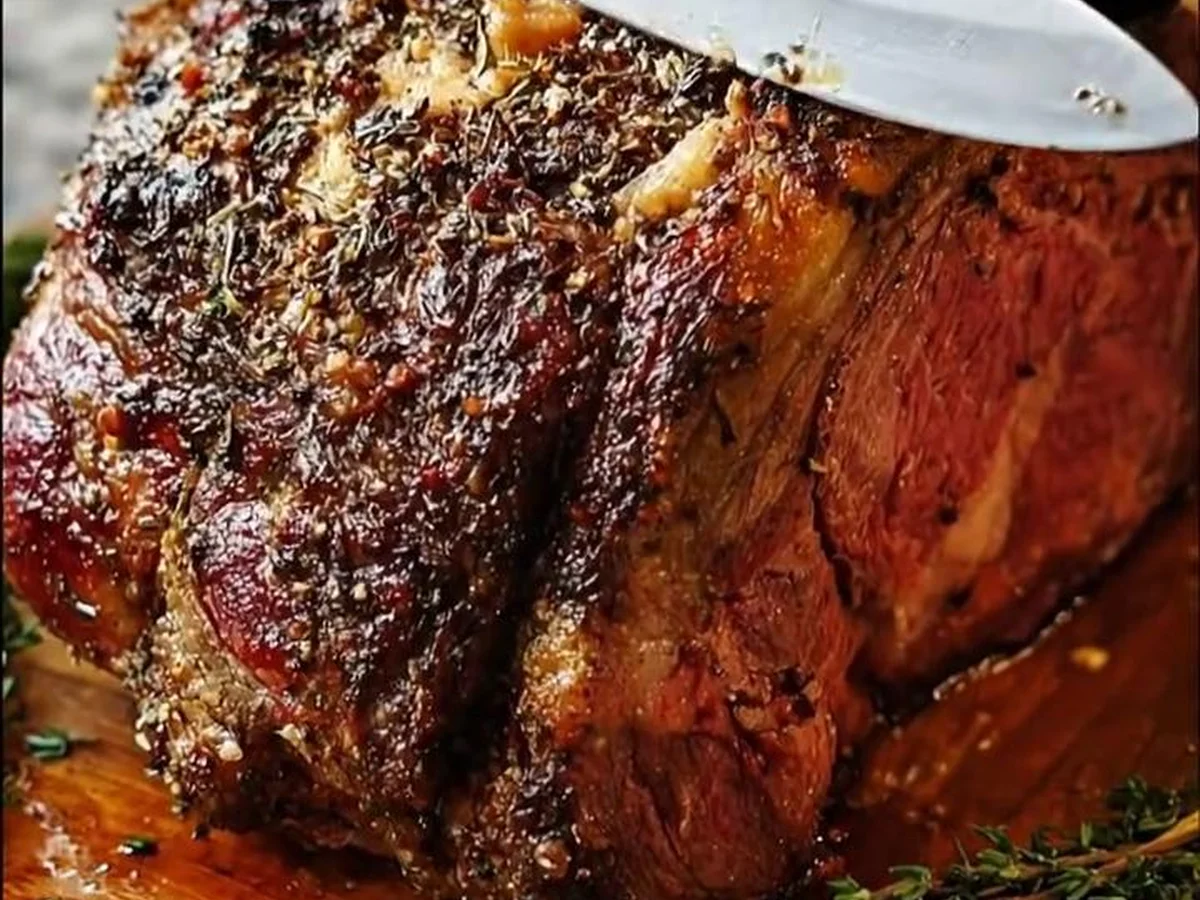
When the festive season rolls around, few things evoke warmth and joy as effectively as a perfectly cooked prime rib. The mere thought of a succulent, juicy prime rib roast taking center stage at your holiday table brings to mind the rich aromas of garlic and herbs melding together, enticing family and friends to gather around. This dish isn’t just a meal; it’s an experience, a tradition filled with laughter, storytelling, and a comforting sense of togetherness. With its rich marbling, a prime rib roast offers deep, savory flavors that melt in your mouth, while the crisp, golden crust adds a delightful textural contrast. Each slice reveals tender, rosy pink meat—inviting and irresistible.
Whether you’re a seasoned chef or a kitchen novice, preparing a Christmas prime rib isn’t merely a culinary endeavor; it’s a way to cherish the season’s spirit. The warmth of roasted garlic permeates the air, and the intricate dance of rosemary and thyme creates a flavor profile that envelops the senses. As you gather around the table, the meal becomes a shared experience, igniting conversations and forging bonds that make this time of year particularly special. It’s no wonder that the Christmas prime rib has earned its rightful place among the most beloved holiday dishes, treasured for its ability to elevate any festive gathering.
The Origins and History
The prime rib, also known as standing rib roast, boasts a history steeped in culinary tradition, particularly in Western cuisine. It has long been a celebrated dish in England, where it first emerged in the 19th century, reflecting the cultural and agricultural advancements of the time. The evolution of prime rib is intertwined with the rise of the British middle class, who sought elegant yet hearty meals to serve guests during the holiday season. Enter the prime rib roast—an impressive centerpiece that signifies abundance and affluence.
As this dish found its way across the Atlantic, it cemented its place in American culinary culture. Its popularity soared, becoming a hallmark of holiday feasts and celebratory occasions. In the United States, the prime rib roast offered families an opportunity to gather together, especially during holidays like Christmas. Over the years, variations emerged, incorporating diverse herbs and spices influenced by regional approaches to cooking, yet the essence of a beautifully roasted prime rib remained unchanged: to unify people around the table and create lasting memories while savoring every bite.
Why You Will Absolutely Love This Recipe
- Flavor Profile: The combination of buttery richness, aromatic garlic, and fragrant herbs results in a culinary masterpiece bursting with flavor, making every bite a delight.
- Ease of Preparation: Despite its elegant presentation, this recipe is surprisingly simple, allowing even beginner cooks to achieve fantastic results with minimal effort.
- Crowd-Pleaser: The prime rib roast is a guaranteed hit at any gathering—its inviting, hearty nature unites guests, irrespective of their culinary preferences.
- Leftovers Galore: What’s even better is the possibility of delicious leftovers! From prime rib sandwiches to hearty soups, the meal continues to delight days after the feast.
Deep Dive into the Ingredients
To create a perfect Christmas prime rib, each ingredient plays a vital role, ensuring that the dish not only looks impressive but also tastes incredible.
Prime Rib Roast: The star of the show! The primal cut of beef is known for its rich marbling, which renders during cooking to add a depth of flavor and moisture. Look for a well-marbled roast, ideally graded USDA Prime or Choice for optimum tenderness and juiciness. The size of the roast, typically between 5-7 pounds, allows for an appealing balance of crust to meat ratio, assuring everyone at the table enjoys a flavorful portion.
Butter: The use of softened butter in this recipe introduces a luscious richness that helps create a savory crust when combined with the other ingredients. It also acts as a medium to carry the flavors of garlic and herbs, enhancing the overall aromatic experience.
Garlic: Garlic is key to building layers of flavor. Its pungent, potent aroma transforms into a sweet, nutty character as it roasts. The minced form allows for even distribution, ensuring every slice of prime rib is infused with that delectable garlic essence.
Kosher Salt: A fundamental element in any great meat dish, kosher salt not only enhances flavor but also aids in retaining moisture while roasting. Its coarse texture allows for even penetration, ensuring every bite is seasoned to perfection.
Black Pepper: Freshly ground black pepper adds warmth and a slight kick, complementing the richness of the meat while providing a lively contrast to the garlic and buttery notes.
Fresh Rosemary and Thyme: These herbs bring fresh earthiness and aromatic flair to the dish, with rosemary lending a woodsy, pine-like flavor, while thyme offers subtle notes of lemon and mint. Fresh herbs shine through once they are combined with the butter, creating a fragrant herb-infused paste that blankets the roast.
Should you not have access to fresh herbs, dried alternatives can still render satisfactory results, providing you with versatility and convenience. Remember, though, that fresh herbs typically offer a more vibrant taste, enhancing the overall experience of the prime rib.
Pro Tips for Perfect Results
Attaining the ideal Christmas prime rib requires a few technical maneuvers to ensure that your roast is both exquisite and memorable:
Room Temperature: Begin by letting your prime rib come to room temperature for about 1-2 hours before cooking. This practice allows for even cooking, which guarantees the best texture and flavor throughout.
Season Generously: Don’t shy away from generous seasoning—prime rib benefits from a hearty coating of salt and pepper to create that beautiful, flavorful crust. Make sure to season the roast at least 30 minutes prior to cooking.
Searing For Flavors: Begin the cooking process with a sear at a high temperature to lock in juices and develop that rich crust. A quick roast at high heat (around 450°F) before reducing the temperature helps create the ideal textural contrast.
Temperature Control: Using a meat thermometer is paramount for achieving the desired doneness. Aim for an internal temperature of 130°F for medium-rare and remove the roast about 5°F before your target as it will continue to cook while resting.
Resting Period: Patience is key! Allow your roast to rest for at least 30 minutes before carving. This allows the juices to redistribute, ensuring a juicy, tender slice every time.
Serving and Pairing Suggestions
This holiday centerpiece shines bright when joined by complimentary side dishes. Consider serving your Christmas prime rib with classic sides such as creamy mashed potatoes, honey-glazed carrots, or roasted Brussels sprouts. A rich red wine such as Cabernet Sauvignon or a zesty Zinfandel pairs perfectly, enhancing the roast’s savory flavors. For occasions beyond Christmas, this dish can elevate any celebration–birthdays, anniversaries, or festive gatherings—unifying friends and family over a hearty meal.
Storage, Freezing, and Reheating
To keep your prime rib fresh after the feast, allow it to cool to room temperature, then wrap it tightly in plastic wrap or foil before placing it in an airtight container. Properly stored, it can last up to 3-4 days in the refrigerator. For longer-term storage, consider freezing it; wrapped tightly, it can last for 3-6 months. To reheat, slice the prime rib and place it in a covered baking dish with a bit of broth to maintain moisture. Heat in a preheated oven at 250°F until warmed through.
Frequently Asked Questions (FAQ)
1. How do I know when my prime rib is done?
Utilize a meat thermometer for accuracy. Aim for 120°F for rare, 130°F for medium-rare, 140°F for medium, and so on. Remember to subtract 5°F before removing it from the oven.
2. Can I make this dish ahead of time?
While the prime rib is best served freshly roasted, you can prepare the herb butter a day in advance. However, it’s advisable to roast the meat on the day of the event for optimal texture and flavor.
3. What should I do if my prime rib isn’t cooking evenly?
Inconsistent cooking can occur due to various factors including oven calibration or roast placement. An oven thermometer can help verify that your oven is at the correct temperature and use the center of the roast for benchmark cooking.
4. How do I carve my prime rib roast?
Allow the roast to rest before carving. Begin by cutting down along the rib bones to remove the entire rib section. Then, slice the meat against the grain into thick or thin slices, depending on preference.
Conclusion
Creating a Christmas prime rib is not just about the food; it’s about crafting memories that warm the heart and ignite the soul. Embark on this delicious journey with each roast, reveling in the flavorful results and the joy it brings to your loved ones.
The History of This Recipe
The origin of Christmas Prime Rib dates back to the festive traditions of Victorian England, where families sought to create special meals to celebrate the holiday season. The rich flavors and tenderness of prime rib made it a favorite choice for Christmas feasts among the upper classes.
As these culinary preferences spread, the practice of serving prime rib during Christmas dinner found its way to America, where it became a symbol of celebration and indulgence. Families began to adopt this tradition, making it a centerpiece of their holiday gatherings and a way to honor the season’s spirit of togetherness.
Over the years, Christmas Prime Rib has evolved into a staple for many, with various regional recipes and cooking methods emerging. Today, it continues to be cherished by countless families, representing not just a meal, but also the warmth and love shared during the holidays.
Christmas Prime Rib
INGREDIENTS
- 1 (5-7 pound) prime rib roast
- 1/2 cup softened butter
- 6 garlic cloves, minced
- 1 tbsp kosher salt
- 1 tbsp freshly ground black pepper
- 1 tbsp fresh rosemary, chopped (or 1 tsp dried)
- 1 tbsp fresh thyme, chopped (or 1 tsp dried)
INSTRUCTIONS
Preheat your oven to 450°F (232°C).
In a bowl, mix the softened butter with minced garlic, kosher salt, black pepper, rosemary, thyme, and Dijon mustard until well combined.
Pat the prime rib roast dry with paper towels. This will help the crust develop properly.
Rub the garlic herb butter mixture all over the prime rib, ensuring it’s well coated on all sides.
Place the prime rib, bone side down, on a roasting rack in a large roasting pan.
Pour the beef broth into the bottom of the roasting pan. This will help keep the meat moist during cooking.
Place the roast in the preheated oven and roast for 15 minutes at 450°F to develop a nice crust.
After 15 minutes, reduce the oven temperature to 325°F (163°C) and continue to cook the prime rib for about 15-20 minutes per pound, or until it reaches your desired level of doneness (130°F for medium-rare, 140°F for medium).
For a more accurate reading, use a meat thermometer inserted into the thickest part of the roast, away from the bone.
Once the desired temperature is reached, remove the prime rib from the oven and cover it loosely with aluminum foil. Let it rest for at least 20-30 minutes; this allows the juices to redistribute and makes for a juicier roast.
Slice the prime rib roast into thick slices, serving with the pan drippings or your favorite gravy.
Optionally, garnish with fresh herbs before serving.
Time & Calories:
Total Time: Approximately 3-4 hours (including resting time)
Calories: Approximately 600-700 calories per serving (based on a 6 oz slice)
NOTES
Enjoy your delicious homemade Christmas Prime Rib !