Introduction
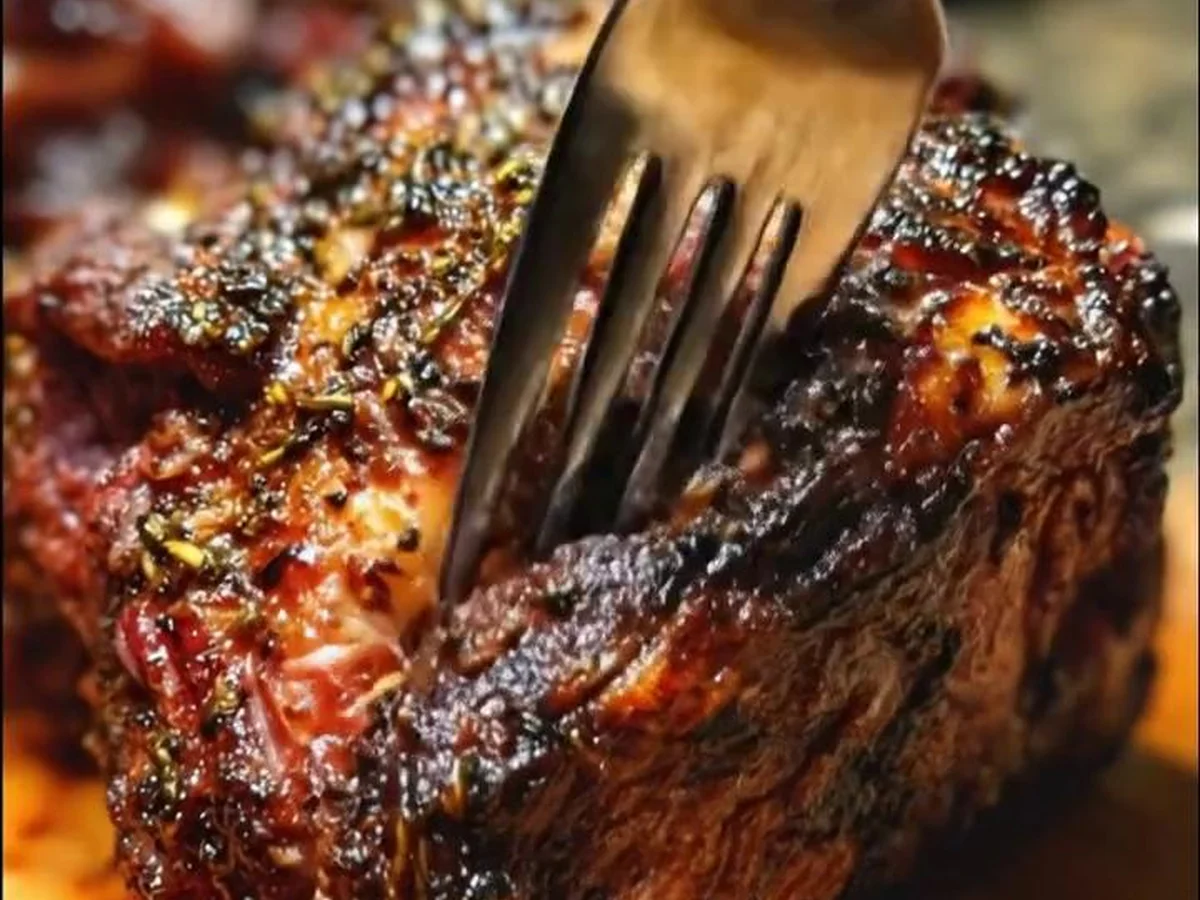
Ah, the beef shoulder roast—a culinary gem that embodies comfort, warmth, and home. Imagine the aroma wafting through your kitchen as this hearty cut of meat slow-cooks, mingling with the fragrant herbs and spices, creating an inviting atmosphere that beckons family and friends to gather around the table. The beef shoulder roast has become synonymous with cozy dinners and festive family gatherings, a perennial favorite that appeals to both the sophisticated palate and the unpretentious diner. As it roasts, it transforms into a buttery, tender delight that practically melts in your mouth, enriched by the savory essence of garlic, herbs, and the distinct warmth of paprika. This dish not only satisfies hunger but also evokes a deep sense of nostalgia, reminding many of cherished family recipes passed down through generations. With the first bite, you’re graced with a more profound flavor journey; the succulent beef reveals layers of seasoning that dance on your palate, leaving a lingering warmth that compels you to come back for seconds. Whether served at a Sunday supper or a holiday feast, the beef shoulder roast embodies the very spirit of communal dining, making it a staple on tables around the world.
The Origins and History
The roots of the beef shoulder roast trace back through the annals of culinary history, where it has been a staple in many cultures. In the days of yore, when cattle were raised for sustenance rather than for sport, every cut of meat was prized, but none so much as the shoulder. This cut, connected to the animal’s robust muscles, was ideally suited for slow cooking, which was a necessity before modern conveniences graced our kitchens. Peasants and noblemen alike cherished the shoulder roast, often marinating or seasoning it with locally available herbs. As various cultures evolved, so did the preparations surrounding this cut; from American barbecue to French pot roast and beyond, the versatility of the beef shoulder roast found its way into countless societies. In modern gastronomy, it has been embraced even further, celebrated not only for its rich flavor but also for its economic value. It’s a testament to how food can act as a connector of diverse traditions, each infusing its roots into the hearty embrace of a roast. Today, this recipe continues to thrive, embodying history while being adapted by each new generation.
Why You Will Absolutely Love This Recipe
- Flavor Profile: With a rich, beefy taste complemented by fragrant garlic and fresh herbs, the depth of flavor is simply irresistible.
- Ease of Preparation: With minimal prep time, you can set this roast and let your oven do the work, freeing you up for other tasks.
- Crowd-Pleaser: Perfect for family gatherings or dinner parties, this dish never fails to impress guests and loved ones alike.
- Versatile Leftovers: The tender meat can be repurposed in a myriad of ways, from sandwiches to tacos, making it economically savvy.
Deep Dive into the Ingredients
Understanding the ingredients that compose a great beef shoulder roast is crucial for achieving the perfect result. Here’s a detailed look at what you’ll need:
- Beef Shoulder Roast: This cut is favored for its rich marbling, which breaks down beautifully during low-and-slow cooking, resulting in incredibly tender meat. Alternatives like chuck roast could work, but might lack some of the distinctive flavor profile of the shoulder.
- Garlic: Five cloves of minced garlic not only infuse the meat with depth but also offer health benefits, rounding out the seasoning beautifully. If garlic isn’t your favorite, consider using roasted garlic for a sweeter, nuttier flavor.
- Fresh Rosemary and Thyme: These herbs are aromatic staples that elevate the overall taste of the dish. If you can’t find fresh ones, dried herbs can substitute, but should be adjusted for potency with a smaller quantity.
- Paprika: This spice adds both warmth and color. If you want added heat, a smoked paprika can introduce an exciting dimension.
- Onion Powder and Cumin: These two ingredients are essential in rounding out the flavor. Onion powder lends sweetness, while cumin adds earthy notes, essential in creating complexity.
The interplay of these ingredients forms the basis of a delicious roast. This is where creativity blends with tradition. You can successfully substitute other herbs, spices, or even the cut of beef depending on your pantry and preference. For instance, if you’re seeking a bolder flavor, consider adding chili powder or fresh oregano to the mix.
Pro Tips for Perfect Results
To ensure your beef shoulder roast comes out exquisitely tender and bursting with flavor, consider the following pro tips:
- Searing the Meat: Start by searing the roast in a hot skillet before placing it in the oven. This step caramelizes the outer layer, enhancing flavor through the Maillard reaction.
- Slow and Low Cooking: The shoulder roast thrives on a low and slow cooking method. Cook at a temperature of around 275°F (135°C) to allow the collagen to break down gently, ensuring all fibers yield tenderness.
- Resting Period: After you remove the roast from the oven, allow it to rest for at least 20 minutes. This resting period allows juices to redistribute, ensuring each slice remains juicy and flavorful.
- Use a Meat Thermometer: Invest in a good-quality meat thermometer. Aim for an internal temperature of 195°F (90°C) for optimal tenderness.
Serving and Pairing Suggestions
The beef shoulder roast is incredibly versatile when it comes to serving. Pair it with classic sides like mashed potatoes or roasted seasonal vegetables for balance. A rich, dark gravy can also elevate the dish further. For beverages, consider a bold red wine that complements the beef’s richness, such as Cabernet Sauvignon, or even a robust porter beer. This meal is perfect for cozy weeknight dinners and festive occasions alike!
Storage, Freezing, and Reheating
To keep your beef shoulder roast fresh, store leftovers in an airtight container in the refrigerator, where it will retain its quality for up to four days. If you wish to extend its life, freezing is an option; cut the roast into smaller portions and ensure they are well-wrapped to prevent freezer burn. When reheating, use a gentle heat source, such as a low oven or stove, to avoid drying the meat out.
Frequently Asked Questions (FAQ)
- Can I use another cut of beef instead of shoulder roast? Yes, you can use cuts like chuck roast or brisket, but each will impart a slightly different flavor and texture.
- Is it necessary to marinate the roast beforehand? While marinating can enhance flavor, it’s not essential. The herbs and spices in the recipe will infuse sufficient flavor during cooking.
- Can I cook this dish in a slow cooker? Absolutely! You can adapt this recipe for a slow cooker; just brown the meat first, then cook on low for 8 hours.
- What can I serve with beef shoulder roast? Classic sides include mashed potatoes, bread rolls, or a crisp salad. Always opt for something that balances the richness of the beef.
Conclusion
In every bite of this beef shoulder roast, a legacy of taste and tradition shines through. Each ingredient intricately weaves into a tapestry of flavors that delights the senses, encouraging wonderful memories and conversation around the table. Whether it’s a special occasion or simply a weeknight meal, this dish promises joy in every forkful.
The History of This Recipe
The Beef Shoulder Roast has its origins in traditional culinary practices that sought to utilize every part of the animal. Historically, farmers and butchers recognized the value of the shoulder cut due to its rich flavor and tenderness when slow-cooked.
In various cultures, this cut became a staple for hearty family meals and communal gatherings. As techniques for marinating and slow-roasting evolved, the shoulder roast gained popularity for its ability to absorb flavors and provide satisfying portions.
Today, the Beef Shoulder Roast is celebrated not only for its taste but also for its versatility in modern kitchens. It has become a favorite among home cooks and professional chefs alike, honored as a symbol of resourcefulness and tradition.
Beef Shoulder Roast
INGREDIENTS
- 3 to 4 pounds beef shoulder roast
- 5 cloves garlic, minced
- 2 tablespoons fresh rosemary, chopped
- 2 tablespoons fresh thyme, chopped
- 1 tablespoon paprika
- 2 teaspoons onion powder
- 1 teaspoon cumin
INSTRUCTIONS
Preheat your oven to 300°F (150°C).
In a small bowl, combine the minced garlic, rosemary, thyme, paprika, onion powder, cumin, olive oil, salt, and black pepper. Mix well to create a paste.
Rub the herb and spice mixture all over the beef shoulder roast, ensuring it’s well coated on all sides.
If desired, heat a large oven-safe skillet or Dutch oven over medium-high heat. Sear the roast for about 4-5 minutes on each side until browned.
Remove the roast from the skillet (if searing) and add the beef broth or red wine to the pot, scraping up any browned bits from the bottom.
Return the roast to the skillet, cover tightly with a lid or aluminum foil, and place it in the preheated oven.
Roast for about 4 to 5 hours or until the meat is tender and easily shreds with a fork. Baste the roast occasionally with the cooking liquid if using.
Once cooked, remove the roast from the oven and let it rest for about 15-20 minutes before slicing.
Serve with your favorite sides like mashed potatoes, roasted vegetables, or a fresh salad.
Time & Calories:
Total Time: 5 hours 30 minutes (including preparation and resting time)
Servings: 8
Approximate Calories per Serving: 325 calories (will vary based on portion size and exact ingredients used)
NOTES
Enjoy your delicious homemade Beef Shoulder Roast !