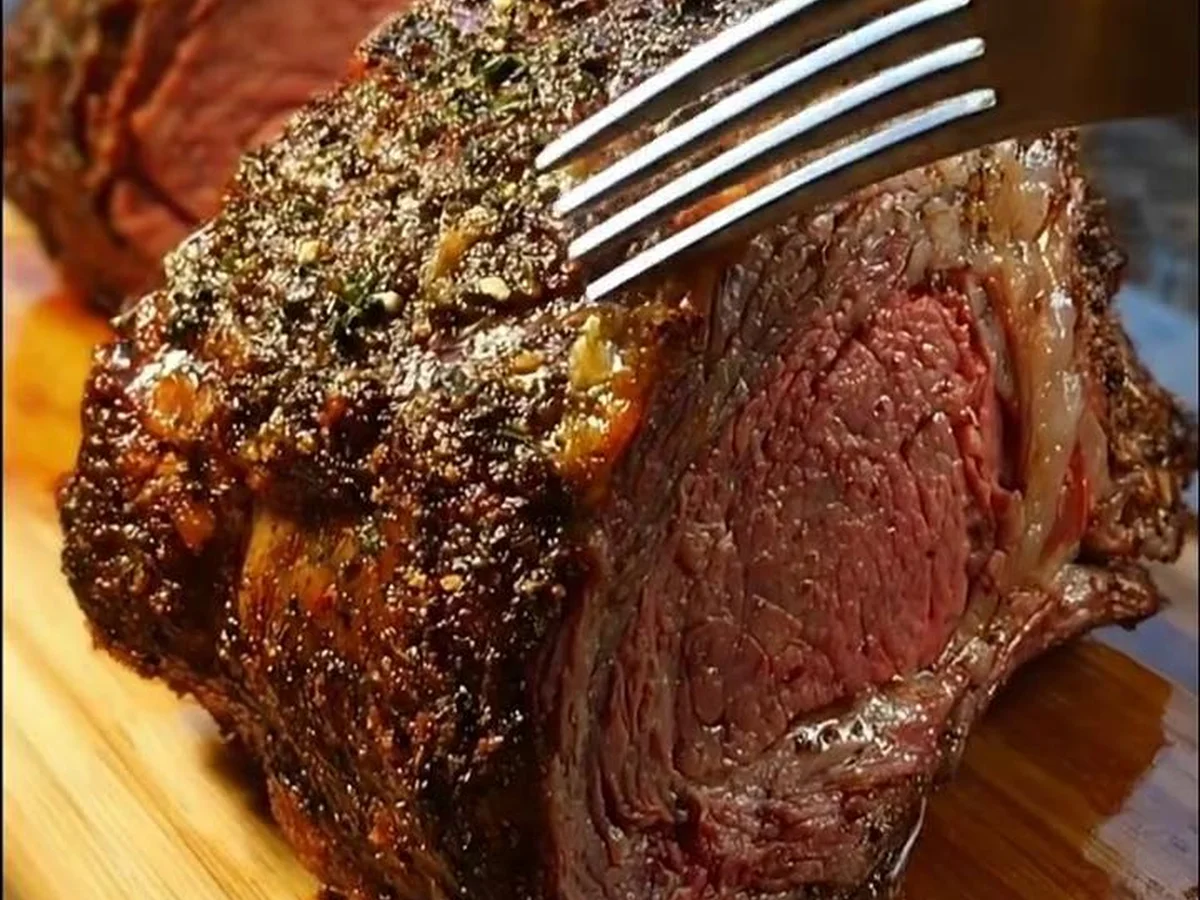
Prime rib roast is often heralded as the showstopper of any festive meal. The allure of this luxurious cut of beef is undeniable, evocative of holiday gatherings and special occasions. As you walk into a room where a perfectly roasted prime rib sits atop the table, the aroma wafts through the air, drawing guests in with its rich, savory scent. The anticipation builds, creating an almost palpable excitement at the very thought of slicing into that tender, juicy roast, revealing the luscious medium-rare center. Each bite is a delightful marriage of robust flavors—earthy herbs, the umami depth of well-cooked meat, and the soft, comforting textures that melt in your mouth. This is comfort food at its most sublime—a celebration of culinary craftsmanship that almost feels like a rite of passage for home cooks and professional chefs alike.
The Origins and History
The prime rib roast has roots steeped in tradition, often associated with festive gatherings and family celebrations. Originating from the British Isles during the 19th century, the dish gained popularity among the upper classes who relished in serving its grandeur at banquets and special occasions. The cut itself comes from the primal rib section of beef, showcasing one of the most flavorful and tender parts of the animal. Banquet tables of the past boasted enormous roasts, where chefs would expertly showcase their skills, carving majestic pieces of meat in front of awestruck guests. As the world evolved, prime rib remained a staple, crossing over to American dining tables, especially during the holiday season, where it’s become synonymous with family togetherness and rich culinary tradition.
Why You Will Absolutely Love This Recipe
- Flavor Profile: The interplay of garlic, rosemary, and thyme complements the deep, beefy essence of the prime rib, creating a dish that is both aromatic and flavorful.
- Ease: Despite its grandeur, prime rib roast is relatively simple to prepare, requiring just a few key ingredients and minimal hands-on time.
- Crowd-Pleaser: Perfect for celebrations, gatherings, or even a cozy family dinner, this roast is sure to impress every guest at your table.
- Leftovers: Prime rib offers delightful leftovers that can be transformed into sandwiches, salads, or hearty soups, extending the joy beyond one meal.
Deep Dive into the Ingredients
To create the perfect prime rib roast, let’s delve into the key ingredients that promise to elevate this dish to sublime heights:
- Prime Rib Roast (Bone-in, 5-6 pounds): The core of the dish, prime rib is prized for its marbling, which produces a succulent and juicy roast. When selecting your roast, look for a good amount of fat marbling, particularly on the cap, as this adds flavor and moisture during the cooking process.
- Garlic (4 cloves, minced): Garlic infuses the roast with its aromatic aroma, enriching the dish’s overall flavor. For a more nuanced profile, consider using roasted garlic for sweetness and complexity.
- Fresh Rosemary (2 tablespoons, chopped): This herb offers a woodsy, aromatic punch that pairs perfectly with the richness of the beef. Its pungent flavor can stand up to the hearty roast while highlighting its natural flavors.
- Fresh Thyme (2 tablespoons, chopped): Alongside rosemary, thyme adds a layer of herbal depth, brightening the dish and cutting through the richness of the meat.
- Kosher Salt (2 tablespoons): Salt is essential for flavor and for drawing out moisture. It acts as a key flavor enhancer while also helping to create a beautiful crust during roasting.
- Black Pepper (1 tablespoon, freshly ground): A fundamental seasoning, fresh black pepper adds warmth and a hint of spice, enhancing the overall taste experience.
- Olive Oil (2 tablespoons): Olive oil not only helps to sear the meat but also carries the flavors of the herbs and garlic, ensuring they meld beautifully into the roast.
While these ingredients create a stellar foundation, feel free to experiment. For instance, you can substitute dried herbs if fresh ones are unavailable, although fresh herbs often yield a more vibrant flavor. Additionally, consider adding a splash of red wine to your marinade for an added depth of flavor, or use a different cut of beef like a ribeye if you wish to change things up.
Pro Tips for Perfect Results
To ensure your prime rib roast turns out nothing short of flawless, consider the following technical tips:
- Temperature Control: Start your roast at room temperature by letting it sit out for about 1 hour before cooking. This uniform warmth allows for even cooking throughout the roast.
- Sear Before Roasting: Searing the roast in a hot pan creates a deeply flavorful crust, locking in juices and adding an incredible texture that perfectly contrasts the tender interior.
- Use a Meat Thermometer: Invest in a reliable meat thermometer to accurately gauge doneness. Aim for an internal temperature of 120°F to 125°F for medium-rare, remembering that it will continue to cook while resting.
- Resting Period: After roasting, allow your prime rib to rest for at least 20-30 minutes before slicing. This resting period lets the juices redistribute, ensuring each slice is succulent and moist.
Serving and Pairing Suggestions
A perfect prime rib roast deserves worthy accompaniments. Classic pairings include creamy horseradish sauce for a zingy contrast or a rich red wine reduction for added depth. Side dishes such as garlic mashed potatoes, roasted asparagus, or buttery Yorkshire pudding elevate the meal, making it feel even more special. For beverages, a full-bodied red wine, like a Cabernet Sauvignon or Malbec, beautifully complements the roast, enhancing its robust flavors. This meal is ideal for holidays, family gatherings, or a sophisticated dinner party.
Storage, Freezing, and Reheating
Leftover prime rib can be a delight! To store it, wrap it tightly in foil or plastic wrap, or place it in an airtight container. It can be kept in the refrigerator for up to 3-4 days. For longer storage, prime rib can be frozen in slices or whole for up to 3 months. When reheating, do so gently in the oven, wrapped in foil at low temperatures (around 250°F) to preserve moisture, or enjoy it cold in sandwiches to savor its flavor anew!
Frequently Asked Questions (FAQ)
- What’s the best way to season my prime rib? An herb and garlic rub is ideal, but don’t shy away from experimenting with spices that suit your palate, such as smoked paprika or even a touch of chili flakes.
- How can I ensure my prime rib is medium-rare? Use a meat thermometer, aiming for an internal temperature of 120°F to 125°F. Remember, it will rise as it rests.
- Can I cook a prime rib roast on the grill? Absolutely! A grill can yield great results. Just maintain even indirect heat, and be sure to monitor the internal temperature closely.
- What type of salt should I use? Kosher salt is preferable due to its coarse texture, which evenly distributes flavor without overwhelming the meat.
- What should I do with leftovers? Sliced leftovers can be used in sandwiches, salads, or even incorporated into a savory breakfast hash.
Conclusion
The perfect prime rib roast is more than just a meal; it’s an experience that invites love, laughter, and togetherness. Embrace the process, savor each step, and share the joy this incredible dish brings.
The History of This Recipe
The origin of the Perfect Prime Rib Roast can be traced back to the grand feasts of the late 19th century, where it emerged as the centerpiece of lavish Sunday dinners in England. Influential chefs began to experiment with cooking techniques and seasonings, leading to a dish that showcased the rich flavor of prime beef.
As the roast gained popularity, it made its way to American dining tables, particularly in the upscale steakhouses that flourished in the mid-20th century. Here, chefs refined their methods, focusing on precise cooking times and temperatures to achieve the ideal level of doneness and tenderness.
Today, the Perfect Prime Rib Roast is celebrated as a symbol of culinary excellence, often reserved for special occasions and gatherings. It continues to evoke nostalgia and a sense of tradition, bringing families and friends together to savor its sumptuous flavor.
Perfect Prime Rib Roast
INGREDIENTS
- 1 (5-6 pounds) Prime Rib Roast, bone-in
- 4 cloves garlic, minced
- 2 tablespoons fresh rosemary, chopped
- 2 tablespoons fresh thyme, chopped
- 2 tablespoons kosher salt
- 1 tablespoon black pepper, freshly ground
- 2 tablespoons olive oil
INSTRUCTIONS
First, remove the prime rib roast from the refrigerator and allow it to come to room temperature for at least 1 hour before cooking. This helps it to cook evenly.
Preheat your oven to 450°F (230°C).
In a small bowl, mix together the minced garlic, chopped rosemary, chopped thyme, kosher salt, black pepper, and olive oil to create a rub.
Pat the prime rib roast dry with paper towels. This will help the crust form better.
Rub the garlic-herb mixture all over the prime rib, making sure to cover every side for maximum flavor.
Place the roast bone-side down in a large roasting pan. If you have a rack, set the roast on the rack to allow air circulation.
Insert a meat thermometer into the thickest part of the roast, avoiding the bone.
Roast in the preheated oven at 450°F (230°C) for 20 minutes to create a nice crust.
After 20 minutes, lower the oven temperature to 325°F (160°C) and continue roasting. The general rule of thumb is to roast for about 15-20 minutes per pound for medium-rare doneness.
For medium-rare, remove the roast from the oven when the internal temperature reaches 130°F (54°C). For medium, remove it at 140°F (60°C).
Once the desired temperature is reached, take the roast out of the oven and tent it loosely with aluminum foil. Allow it to rest for at least 20-30 minutes before slicing. This resting period allows the juices to redistribute throughout the meat.
After resting, slice the prime rib into generous portions. Serve with your favorite sides and enjoy!
Time & Calories
Total Time: Approximately 2.5-3 hours (including prep and cook time)
Calories per serving: Approximately 350-450 calories (varies based on portion size)
NOTES
Enjoy your delicious homemade Perfect Prime Rib Roast !