Introduction
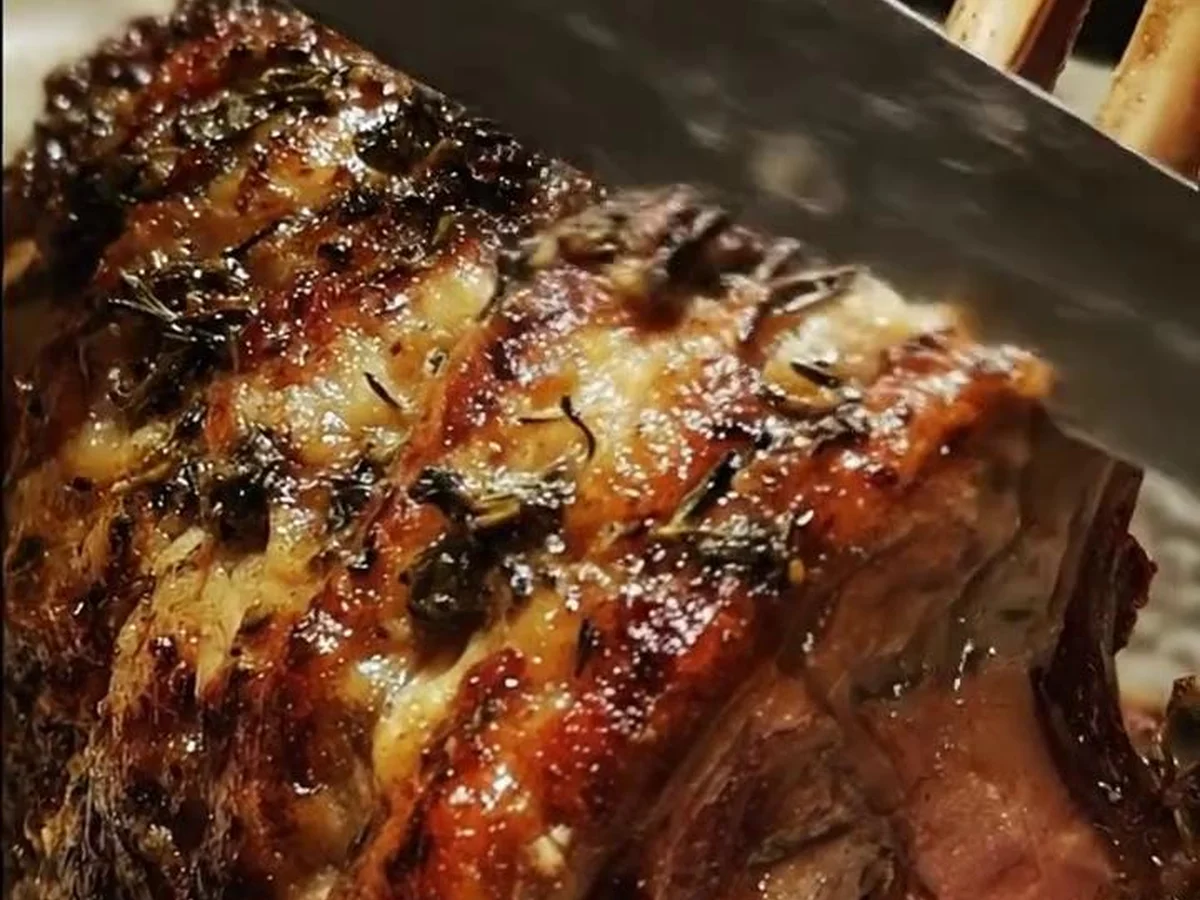
When it comes to the celebratory dishes that grace our festive tables, the crown roast of lamb emerges as a beacon of elegance and flavor. Drawing on traditions that span generations, this dish has carved a niche in the culinary world, enticing diners with its impressive presentation and mouthwatering taste. Imagine a beautifully arranged roast that boasts tender, succulent meat; the savory aroma of garlic and herbs wafting through the air; and the sound of delighted gasps at the first sight of your masterpiece. The crown roast of lamb is as much a feast for the eyes as it is for the palate, making it a favorite for special occasions and family gatherings alike.
This dish not only showcases the skill and artistry of cooking but also serves as a testament to the celebration of communal eating. The crispy, herb-infused crust encasing perfectly cooked lamb, paired with rich gravies or sauces, creates a blissful symphony of flavors and textures. Every bite is a reminder of the comfort and warmth that good food brings, offering a sense of nostalgia that wraps around you like a warm embrace. So, whether you’re preparing for a holiday feast or simply want to impress at your next dinner party, the crown roast of lamb is your ticket to culinary bliss.
The Origins and History
The crown roast of lamb has its roots in European culinary traditions, where lamb is often seen as a symbolic dish of springtime and renewal. Ancient civilizations, particularly in the Mediterranean, celebrated lamb as a central element in their feasts, often associating it with various religious rituals and harvest festivals. The frenched rack of lamb exemplifies elegance, showcasing meticulous butchery techniques that have been refined over centuries. Historically, lamb was favored for its delicate flavor and richness, making it a staple in both the rustic kitchens of countryside families and the lavish dining halls of aristocracy.
While the precise origins of the crown roast are a bit elusive, the method of creating a visually striking centerpiece by curving the rack into the shape of a crown is a culinary marvel that speaks to the artistry involved in haute cuisine. Over the years, chefs have adapted and evolved this dish, infusing regional herbs and spices to create unique iterations that reflect local flavor profiles. Today, the crown roast of lamb continues to be a symbol of celebration, bringing people together and showcasing the beauty of gathering around shared plates.
Why You Will Absolutely Love This Recipe
- Flavor Profile: The blend of garlic, fresh herbs, and tender lamb creates an irresistible flavor explosion that tantalizes the taste buds.
- Impressive Presentation: The crown shape makes it visually stunning, ensuring your dish steals the spotlight at any gathering.
- Crowd-Pleaser: This dish appeals to a variety of palates, making it a perfect choice for diverse gatherings.
- Leftovers for Days: If you’re lucky enough to have leftovers, they can be transformed into delightful dishes for the days to follow, from sandwiches to salads.
- Ease of Cooking: While it seems extravagant, the recipe can be broken down into manageable steps, making it accessible for home cooks.
Deep Dive into the Ingredients
Creating the perfect crown roast of lamb begins with selecting the right ingredients. Here’s a detailed look at each key component:
- Racks of Lamb: The backbone of this dish. The choice of lamb is essential; opt for high-quality, grass-fed lamb for a superior flavor and tenderness. Frenched racks not only look stunning but also allow for easier carving and serving. Look for racks with a good amount of fat; this will render down during cooking, keeping the meat moist and delicious.
- Olive Oil: A staple in Mediterranean cooking, olive oil enhances the flavor and helps to create that crisp, golden exterior on the lamb. It also acts as a carrier for the garlic and herbs, infusing the meat with aromatic goodness.
- Garlic: Fresh garlic adds a pungent depth that mellows as it cooks, imparting a warm, savory note to the lamb.
- Fresh Rosemary and Thyme: These herbs are classics in lamb dishes. Rosemary’s woody, aromatic flavor pairs beautifully with the rich lamb, while thyme adds an herbal, slightly peppery note that balances the dish. Using fresh herbs elevates the dish, but dried herbs can be substituted in a pinch, though the flavors may not be as potent.
- Salt and Pepper: The essential seasoning that enhances all the flavors present. A generous seasoning is key to ensuring the dish is robust and well-rounded.
- Breadcrumbs: Perfect for creating a crispy crust, the addition of breadcrumbs provides texture and can be seasoned or mixed with more herbs and spices to amplify flavor. It’s also a way to ensure that all the juices and flavors stay locked within the meat.
Pro Tips for Perfect Results
Crafting a flawless crown roast of lamb requires attention to detail and a bit of technique. Here are some pro tips to guide you:
- Room Temperature Meat: Always allow your racks of lamb to reach room temperature before cooking. This ensures even cooking and helps prevent the meat from becoming tough.
- Browning the Meat: For enhanced flavor, sear the lamb racks in a hot pan with olive oil before roasting. This step caramelizes the outer layer, creating a complex flavor that adds depth to the final dish.
- Herb Paste: Make a paste out of your garlic and herbs by combining them with olive oil and seasoning. This infusion allows the flavors to penetrate the meat better and forms a beautiful crust as it cooks.
- Resting is Key: After cooking, let your roast rest for at least 15-20 minutes. Resting allows the juices to redistribute, leading to a juicier and more flavorful result.
- Use a Meat Thermometer: For the best results, use a meat thermometer to check the doneness of your lamb. Aim for an internal temperature of about 130°F for medium-rare, which allows for perfect tenderness and flavor.
Serving and Pairing Suggestions
When it comes to serving your crown roast of lamb, the sides you choose can elevate your dining experience. Consider pairing with:
- Roasted root vegetables, such as carrots and parsnips, which add sweetness and color.
- Garlic mashed potatoes for a creamy, comforting side that complements the lamb beautifully.
- Mint sauce or a rich, reduction-based gravy to enhance the lamb’s flavors.
For drinks, a robust red wine like Cabernet Sauvignon or a velvety Pinot Noir pairs exceptionally well. This dish is ideal for family gatherings, holiday celebrations, and elegant dinner parties, impressing guests with both its appearance and taste.
Storage, Freezing, and Reheating
To enjoy your crown roast of lamb beyond the first serving, proper storage is crucial. If you have leftovers, allow the lamb to cool completely before wrapping tightly in plastic wrap or transferring it to an airtight container. Properly stored, it can last in the refrigerator for up to 3 days. For longer storage, slice the lamb into portions, wrap in foil, and freeze for up to 3 months.
When ready to enjoy it again, thaw in the refrigerator overnight and reheat slowly in the oven at a low temperature (around 250°F) to avoid drying out the meat. You can also use the microwave for a quick reheat; just be cautious to not overcook.
Frequently Asked Questions (FAQ)
1. Can I use a different type of meat?
Yes, while lamb is traditional, a crown roast can also be made with pork or beef. However, cooking times will vary significantly, so be sure to adjust accordingly.
2. How do I know when the lamb is done?
The best way to determine doneness is to use a meat thermometer. For medium-rare, aim for an internal temperature of about 130°F.
3. Can I prepare this dish in advance?
While it’s best to roast the lamb fresh for the best flavor, you can prep the seasonings and breadcrumbs in advance to save time. Just remember that the final cooking should be done on the day you plan to serve it.
4. What can I substitute for breadcrumbs?
If you want to avoid breadcrumbs, crushed nuts or panko can be excellent alternatives, or you could make a gluten-free version with ground oats or gluten-free bread.
Conclusion
Ready to impress your friends and family? The crown roast of lamb will not only dazzle them visually but will also tantalize their taste buds. Take the plunge and try this recipe for an unforgettable experience!
The History of This Recipe
The crown roast of lamb has its roots in ancient culinary traditions, where the practice of roasting whole animals was a sign of festivity and abundance. It became particularly popular in France, where chefs began to elevate the presentation of dishes to impress royals and guests alike.
By carefully trimming and shaping the lamb racks into a crown-like formation, chefs created a visually stunning centerpiece for grand feasts. This method not only showcased the skill of the cook but also made the roast easier to serve and carve.
Over time, the crown roast of lamb became synonymous with celebratory meals, often featured during holidays and special occasions. Today, it remains a cherished dish, embodying both elegance and a connection to the rich history of culinary artistry.
Crown Roast of Lamb
INGREDIENTS
- 2 racks of lamb (8 ribs each), frenched and trimmed
- 2 tablespoons olive oil
- 4 cloves garlic, minced
- 2 tablespoons fresh rosemary, chopped
- 1 tablespoon fresh thyme, chopped
- Salt and pepper, to taste
- 2 cups breadcrumbs
INSTRUCTIONS
Preheat your oven to 350°F (175°C).
In a small bowl, combine the olive oil, minced garlic, chopped rosemary, thyme, salt, and pepper to create a marinade.
Rub the marinade all over the racks of lamb, ensuring an even coating. Place the racks in the shape of a crown in a roasting pan.
In a separate bowl, mix the breadcrumbs, grated Parmesan cheese, chopped apricots, chopped walnuts, and parsley. This will be your stuffing.
Carefully pack the breadcrumb mixture into the center of the crown roast and between the ribs, pressing firmly to hold the stuffing in place.
Pour the chicken or lamb stock into the bottom of the roasting pan to keep the meat moist during cooking.
Cover the racks with aluminum foil and roast in the preheated oven for about 1 hour.
After 1 hour, remove the foil and increase the oven temperature to 400°F (200°C). Roast for an additional 15-20 minutes or until the internal temperature of the lamb reaches 130°F (54°C) for medium-rare or longer for achieved desired doneness.
Remove the crown roast from the oven and let it rest for 10-15 minutes before carving. This allows the juices to redistribute.
Carefully cut between the bones to serve individual chops, and present beautifully on a platter with the stuffing served on the side.
Time & Calories
Preparation Time: 25 minutes
Cooking Time: 1 hour and 20 minutes
Total Time: 1 hour and 45 minutes
Approximate Calories per serving: 480 calories (based on 8 servings)
NOTES
Enjoy your delicious homemade Crown Roast of Lamb !