Introduction
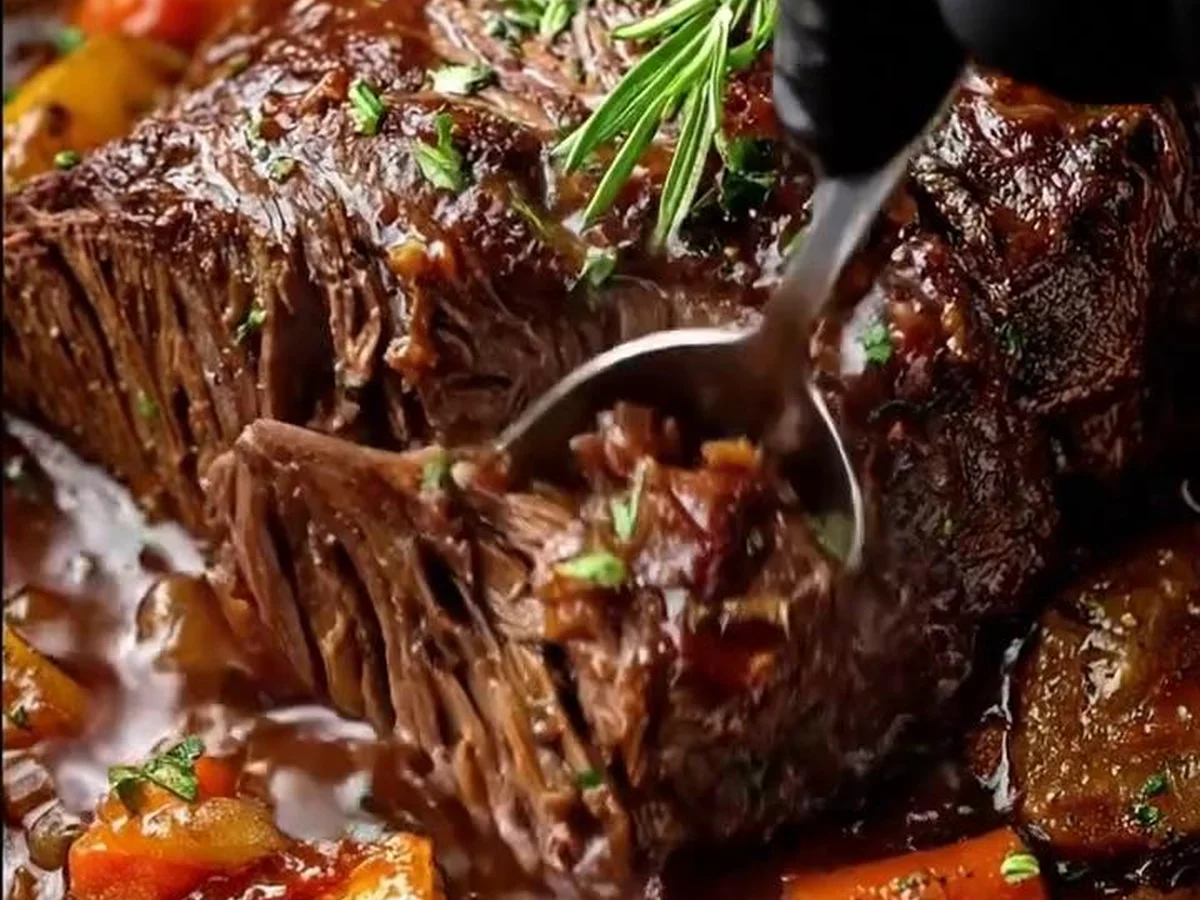
Sauerbraten is more than just a dish; it is a culinary experience steeped in history, tradition, and comfort. With its tender, marinated beef that literally falls apart in your mouth, this German pot roast carries the essence of home-cooked goodness. The aroma of savory spices mingled with the tang of vinegar wafts through the kitchen, creating an atmosphere that beckons family and friends to gather around the table. As you take that first forkful, you are greeted with a perfect symphony of flavors—sweet, sour, and spiced—that dance across your palate, leaving a lingering warmth that transforms even the grayest of days into something special. It’s no wonder that Sauerbraten reigns as a beloved staple during festive occasions and weeknight dinners alike, earning its title as the quintessential comfort food.
The Origins and History
Sauerbraten has roots deeply entrenched in German culture, believed to have arisen in the 14th century as a method of preserving meat during times when refrigeration was nonexistent. As often happens in culinary traditions, the preparation of this dish varies by region, with each area in Germany offering its unique take on the classic recipe—Bavarian, Rhineland, and Swabian styles, to name a few. The term ‘sauer’ means ‘sour’ in German, a reference to the dish’s characteristic marination in vinegar and wine, which not only enhances flavor but also helps tenderize the tough cuts of beef typically used. This dish’s evolution mirrored changing agricultural practices, with locals adapting to available ingredients, thus giving rise to variations that reflect regional tastes. Today, Sauerbraten is celebrated not just as a meal but as a symbol of cultural heritage, bringing generations together around the dinner table.
Why You Will Absolutely Love This Recipe
- Complex Flavor Profile: The interplay of sweet and sour flavors combined with the umami richness of the beef creates a unique taste experience that is truly satisfying.
- Comfort Food at Its Best: Perfect for chilly evenings, Sauerbraten provides the kind of warmth and satisfaction that envelope you like a cozy blanket.
- Crowd-Pleaser: Whether a family meal or a dinner party, Sauerbraten is sure to impress with its visual appeal and delightful taste. It’s that rare dish that appeals to a wide range of tastes.
- Leftover Friendly: This dish often tastes even better the next day, making it a wonderful option for meal prepping or simply enjoying the leftovers.
- Home Cooking Made Simple: While it seems elaborate, the steps involved in making Sauerbraten are straightforward, allowing even novice cooks to shine in the kitchen.
Deep Dive into the Ingredients
To truly appreciate Sauerbraten, it’s essential to understand the role each ingredient plays:
- Beef (Shoulder or Chuck): The cut of beef you choose significantly impacts the outcome. Shoulder or chuck are ideal due to their marbling, which renders the meat tender during the long cooking process. Tough cuts also absorb the marinade effectively, infusing flavor throughout.
- Red Wine or Beef Broth: The inclusion of red wine not only contributes acidity but also enhances depth and richness. If you prefer not to use wine, a robust beef broth can serve as a fine substitute, ensuring that your Sauerbraten remains flavorful. Aim for a varietal with medium tannins, such as Merlot or Pinot Noir.
- Vinegar (Red Wine Vinegar): The sour element is a crucial component that not only tenderizes the beef but also balances the sweetness from the brown sugar. Red wine vinegar delivers a sharpness that complements the dish beautifully.
- Onion: Chopped onion adds sweetness and earthiness, deepening the overall flavor profile. It becomes meltingly tender during cooking, contributing to the sauce’s body.
- Garlic: Minced garlic infuses robustness, providing aromatic depth that elevates the dish. It’s an essential addition, contributing a subtle kick of flavor.
- Brown Sugar: A hint of sweetness from brown sugar balances the acidity of the vinegar and wine, creating a harmonious taste experience.
- Bay Leaves: These aromatic leaves enhance the dish with herbal undertones, creating a layered flavor profile that is savory and comforting.
Substitutions can always be made, but it’s essential to maintain a balance between richness and acidity to preserve Sauerbraten’s authentic flavor.
Pro Tips for Perfect Results
Mastering Sauerbraten requires attention to detail and a few technical skills:
- Marination: Marinate the beef for at least 24 hours, but if time permits, aim for 3 to 4 days. This extended marination allows the flavors to penetrate deeply while tenderizing the meat.
- Searing the Meat: Don’t skip the searing process; browning the beef before simmering creates a deeper flavor through the Maillard reaction and adds a rich color to the final dish.
- Temperature Control: Cooking the meat slowly at low heat is crucial to achieve the desired tenderness. A Dutch oven or heavy-bottomed pot is ideal for even heat distribution.
- Reduce the Sauce: For a richer sauce, be sure to reduce the cooking liquid after removing the meat. This concentration intensifies the flavors and creates a luscious gravy.
- Resting: Allow the cooked meat to rest for at least 15 minutes before slicing. This resting period helps redistribute juices throughout the meat, ensuring every bite is succulent.
Serving and Pairing Suggestions
Sauerbraten is traditionally served with hearty sides that complement its rich flavors. Consider serving it with:
- Potato dumplings or spaetzle to soak up the delicious sauce.
- Red cabbage or sauerkraut offers a tangy contrast that brightens each bite.
- Crusty bread to mop up the sumptuous gravy.
As for drinks, a glass of the same red wine used for marinating enhances the dining experience. For occasions, it pairs wonderfully with a selection of fall tablescapes or festive gatherings.
Storage, Freezing, and Reheating
Storing Sauerbraten is straightforward. Allow it to cool completely before transferring to an airtight container. It will keep well in the refrigerator for up to 4 days. Sauerbraten freezes beautifully; just ensure all excess air is removed, and it can last for up to 3 months. When reheating, do so gently on the stovetop over low heat, adding a splash of beef broth or water if necessary to prevent drying out.
Frequently Asked Questions (FAQ)
- Can I use a different cut of beef? Yes, while shoulder and chuck are preferred, you can also use brisket or rounds. Each cut will yield slightly different textures and flavors.
- What if I don’t have red wine vinegar? You may substitute it with apple cider vinegar or white wine vinegar. Just remember that it might alter the overall flavor slightly.
- Is Sauerbraten gluten-free? The dish as prepared can be gluten-free if you ensure that no flour is added to the sauce. Always check ingredient labels to be certain.
- What can I do with leftover liquid? The leftover marinade can be reduced into a sauce or gravy, providing a flavorful base for other dishes or served alongside the sliced meat.
- Can I make it in a slow cooker? Yes, Sauerbraten adapts well to a slow cooker. Just follow marinating instructions and cook on low for around 6-8 hours, or until tender.
Conclusion
For those seeking a hearty meal that encapsulates tradition and comfort, Sauerbraten is an unbeatable choice. Its mesmerizing interplay of flavors and aromas creates an unforgettable dining experience that is bound to become a cherished part of your culinary repertoire.
Simple Recipe Version
Sauerbraten Ingredients: – 800 g beef (shoulder or chuck) – 2 cups red wine or beef broth (for marinating) – 1 cup vinegar (ideally red wine vinegar) – 1 medium onion, chopped – 2 cloves garlic, minced – 2 tablespoons brown sugar – 2 bay leaves – 1 teaspoon whole black peppercorns – 1 teaspoon juniper berries (optional) – 4-5 whole cloves – 2-3 carrots, chopped (for the pot roast) – 2 tablespoons vegetable oil – Salt and pepper to taste – 2 cups beef stock (for cooking) – 2 tablespoons cornstarch (for thickening, optional) – Fresh parsley (for garnish, optional) Instructions: 1. In a large bowl, combine the red wine, vinegar, chopped onion, minced garlic, brown sugar, bay leaves, black peppercorns, juniper berries, and cloves. This will be your marinade. 2. Season the beef generously with salt and pepper, then place it in the marinade. Cover and refrigerate for at least 3 days, turning the meat occasionally to ensure it absorbs the flavors evenly. 3. After marinating, remove the beef from the marinade and pat it dry with paper towels. Strain the marinade and reserve the liquid and the vegetables separately. 4. In a large Dutch oven or heavy pot, heat the vegetable oil over medium-high heat. Brown the beef on all sides; this should take about 5-7 minutes. 5. Once browned, add the reserved marinade (without the spices), beef stock, and the reserved vegetables (onions and garlic) to the pot. Bring to a boil, then reduce the heat to low, cover, and simmer for about 2-3 hours, or until the meat is tender. 6. Approximately 30 minutes before serving, add the chopped carrots to the pot to cook along with the beef. 7. After the beef is tender, you can choose to thicken the sauce. In a small bowl, mix cornstarch with a little cold water to create a slurry. Stir it into the broth and cook over medium heat until the sauce thickens slightly. 8. Remove the beef from the pot and slice it against the grain. Serve with the sauce poured over and garnish with fresh parsley if desired. Time & Calories – Preparation time: 10 minutes – Marinating time: 3 days – Cooking time: 3 hours (active: 30 minutes) – Total time: 3 days + 3 hours – Estimated Calories per serving: 600 kcal (varies based on serving size and specific ingredients used)
Sauerbraten
INGREDIENTS
- 800 g beef (shoulder or chuck)
- 2 cups red wine or beef broth (for marinating)
- 1 cup vinegar (ideally red wine vinegar)
- 1 medium onion, chopped
- 2 cloves garlic, minced
- 2 tablespoons brown sugar
- 2 bay leaves
INSTRUCTIONS
In a large bowl, combine the red wine, vinegar, chopped onion, minced garlic, brown sugar, bay leaves, black peppercorns, juniper berries, and cloves. This will be your marinade.
Season the beef generously with salt and pepper, then place it in the marinade. Cover and refrigerate for at least 3 days, turning the meat occasionally to ensure it absorbs the flavors evenly.
After marinating, remove the beef from the marinade and pat it dry with paper towels. Strain the marinade and reserve the liquid and the vegetables separately.
In a large Dutch oven or heavy pot, heat the vegetable oil over medium-high heat. Brown the beef on all sides; this should take about 5-7 minutes.
Once browned, add the reserved marinade (without the spices), beef stock, and the reserved vegetables (onions and garlic) to the pot. Bring to a boil, then reduce the heat to low, cover, and simmer for about 2-3 hours, or until the meat is tender.
Approximately 30 minutes before serving, add the chopped carrots to the pot to cook along with the beef.
After the beef is tender, you can choose to thicken the sauce. In a small bowl, mix cornstarch with a little cold water to create a slurry. Stir it into the broth and cook over medium heat until the sauce thickens slightly.
Remove the beef from the pot and slice it against the grain. Serve with the sauce poured over and garnish with fresh parsley if desired.
Time & Calories
Preparation time: 10 minutes
Marinating time: 3 days
Cooking time: 3 hours (active: 30 minutes)
Total time: 3 days + 3 hours
Estimated Calories per serving: 600 kcal (varies based on serving size and specific ingredients used)
NOTES
Enjoy your delicious homemade Sauerbraten !