Introduction
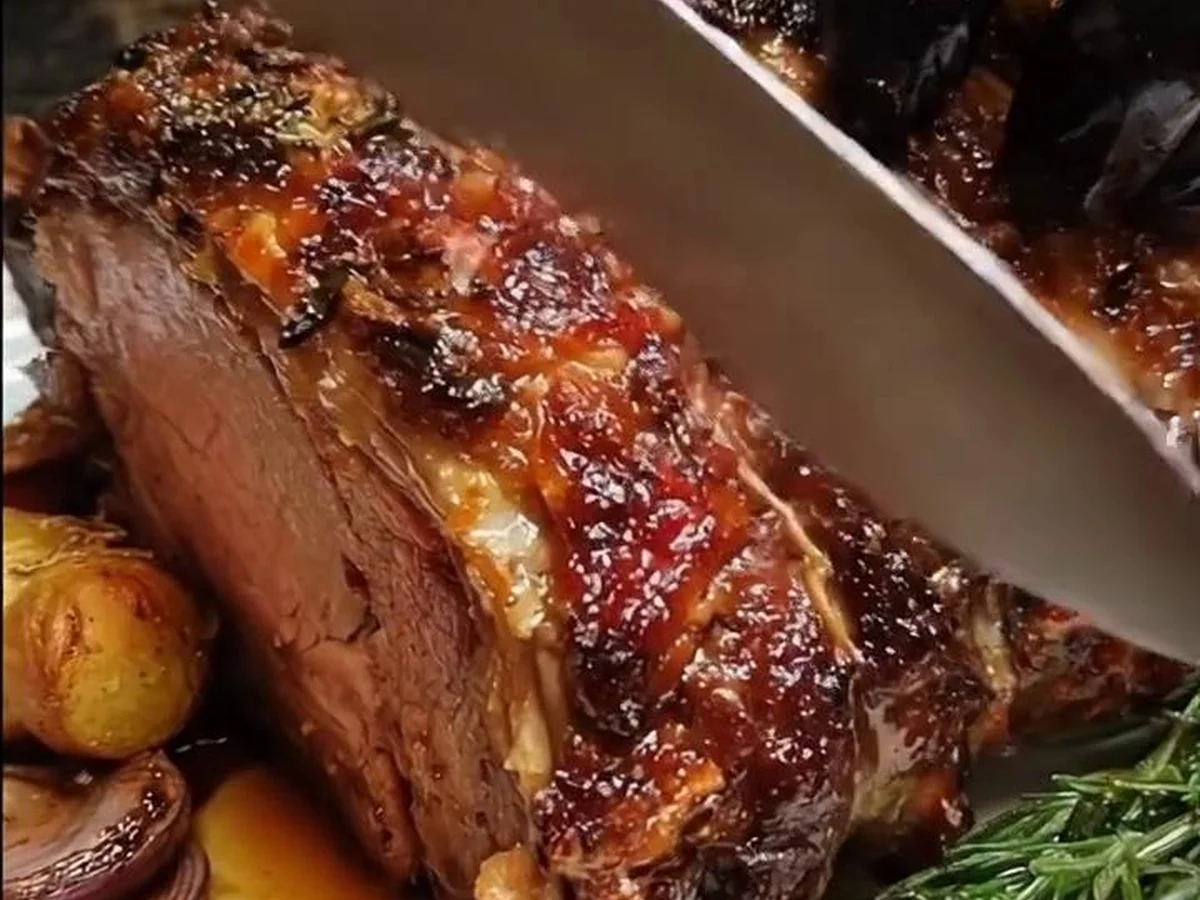
When it comes to the epitome of holiday feasting or celebrating special occasions, few dishes can rival the majestic standing rib roast. This regal cut of beef, known for its tender texture and rich, flavorful profile, has captured the hearts and palates of food lovers everywhere. Picture this: a beautifully browned exterior, glistening with savory juices, giving way to perfectly cooked, succulent meat that melts in your mouth. The aroma alone—an intoxicating blend of roasted garlic, herbs, and caramelized beef—can send your senses into a frenzy. It’s comfort food raised to the level of culinary art, an impressive centerpiece for family gatherings or festive celebrations that demands attention. With each slice, the ribs reveal a treasure trove of flavor and texture, making this roast not merely a meal, but an experience to savor.
This standing rib roast is versatile enough for both traditional holiday tables and casual Sunday dinners, becoming a beacon of warmth and togetherness. Its ability to deliver both taste and elegance means it belongs in any home chef’s repertoire. As we delve deeper into this culinary journey, prepare to unlock the secrets to achieving the *perfect standing rib roast*—one that is bound to impress guests and provide cherished leftovers for days to come.
The Origins and History
The standing rib roast, also known as the prime rib, has a rich history tied to culinary traditions across the globe. Its origins can be traced back to Great Britain, where it became a staple of festive meals, often gracing the holiday table as a symbol of prosperity and abundance. The standing rib roast was traditionally prepared on special occasions, showcasing the finest cuts of beef available. The practice of using the rib section of the animal dates back centuries, when cooks sought to maximize flavor and tenderness by cooking meat with the bone intact.
In various cultures, these grand cuts represent more than just sustenance; they symbolize familial gatherings and the importance of shared meals. Influenced by the British aristocracy, many households adopted the practice of roasting this prime cut, gilded with herbs and spices, which elevated it from a mere dish to a centerpiece worthy of admiration. Over the years, the standing rib roast has transcended borders, with diverse marination methods and cooking techniques emerging, making it a beloved dish even in contemporary kitchens worldwide.
Why You Will Absolutely Love This Recipe
- Flavor Profile: The standing rib roast offers a premium taste experience, thanks to its rich marbling and robust beef flavor, perfectly enhanced by the herbaceous notes of rosemary and thyme.
- Ease of Preparation: While it may seem intimidating, this recipe is surprisingly straightforward, allowing you to impress guests without years of culinary experience.
- Crowd-Pleaser: Nothing brings people together quite like a perfectly roasted standing rib roast. With its impressive appearance and succulent taste, it’s a guaranteed hit at any gathering.
- Delicious Leftovers: This dish not only fills the belly but keeps giving. Whether in sandwiches, salads, or as an upgrade to your weekday dinners, the possibilities are endless.
Deep Dive into the Ingredients
To truly understand the magic behind the *perfect standing rib roast*, let’s take a closer look at the key ingredients that contribute to its luxurious outcome. The main star, of course, is the standing rib roast itself, which typically weighs between 6 to 8 pounds. This cut is taken from the primal rib section and includes several ribs. The bone aids in flavor enhancement and moisture retention during the cooking process, leading to tender meat that is bursting with flavor.
Next, let’s consider the essential flavoring components: kosher salt and freshly ground black pepper. Kosher salt is favored for its ability to effectively draw out moisture from the meat while enhancing its natural flavor. It creates a crust that helps to seal in juices, while its larger granules provide better control over seasoning. Freshly ground black pepper adds a pungent warmth that plays beautifully against the richness of the beef.
The aromatics—minced garlic, rosemary, and thyme—are crucial for layering flavor. Garlic brings its distinct pungency, mellowing with heat to produce a sweet, nutty undertone, while rosemary and thyme add earthy, grassy elements. Together, they create a harmonious balance that elevates the roast beyond the ordinary.
Lastly, Dijon mustard serves as a unique binding agent; its tangy sharpness penetrates the surface of the roast, infusing it with additional depth while contributing to that golden, caramelized crust. Should you wish to personalize this recipe, consider substituting with other mustard varieties or adding your favorite dry herbs, creating a tailored experience just for your taste buds.
Pro Tips for Perfect Results
Achieving a perfect standing rib roast requires attention to detail and a few pro tips to ensure optimal results. First and foremost, start with room-temperature meat. Taking the roast out of the refrigerator at least an hour before cooking allows for even cooking, resulting in a beautifully even doneness. When seasoning the roast, be generous with the kosher salt and black pepper, ensuring the seasoning penetrates the meat adequately.
Searing the roast is a crucial step. Preheat your oven to a high temperature and sear the outside of the meat in a hot skillet for several minutes until a golden-brown crust forms. This not only enhances the roast’s appearance but helps lock in juices, maximizing tenderness. After searing, place the roast in the oven at a lower temperature to finish cooking gently. Using a meat thermometer is essential; aim for an internal temperature of 125°F for medium-rare, allowing for carryover cooking as the roast rests.
Lastly, let the roast rest for at least 20-30 minutes before carving. This resting period allows juices to redistribute throughout the meat, resulting in a juicy and flavorful outcome. Trust me; the anticipation will only enhance the experience.
Serving and Pairing Suggestions
When it comes to enjoying your perfect standing rib roast, consider classic accompaniments that both complement and elevate the flavors. Roasted vegetables, such as carrots, Brussels sprouts, and potatoes, provide a beautiful color and textural contrast. Creamy horseradish sauce or a rich red wine jus offers a zesty counterpoint to the savory meat. As for beverages, an elegant red wine—think Cabernet Sauvignon or a full-bodied Merlot—pairs exceptionally well, enhancing the overall dining experience.
This roast is ideal for both festive meals and intimate family dinners, making it versatile and perfect for many occasions. Whether celebrating a major milestone or enjoying a cozy night in, the standing rib roast fulfills every role with grace.
Storage, Freezing, and Reheating
To store any leftover standing rib roast, first allow it to cool to room temperature. Wrap it tightly in plastic wrap or aluminum foil and place it in an airtight container. Well-stored, your roast can last in the refrigerator for 3-4 days. If you’re looking to extend its life even further, consider freezing it. When frozen correctly, the standing rib roast can last for up to 6 months. To reheat, gently warm it in a low oven at about 300°F until heated through, ensuring not to overcook it to maintain its tenderness.
Frequently Asked Questions (FAQ)
1. Can I cook a standing rib roast on a grill?
Yes, you can! Grilling adds a delicious smoky flavor. Just make sure to set it up for indirect grilling to allow the roast to cook evenly.
2. How do I determine the cooking time for the roast?
The general guideline is to roast for about 15-20 minutes per pound at 325°F for medium-rare. However, it’s always best to rely on a meat thermometer for accuracy.
3. Can I use herbs other than rosemary and thyme?
Absolutely! Feel free to experiment with herbs like parsley, sage, or even tarragon for a different flavor profile.
4. What are the signs of a perfectly cooked rib roast?
A perfect standing rib roast will have a deep brown crust, with a tender, juicy interior that is well-seasoned and flavorful. The internal temperature should read 125°F for medium-rare.
5. What sides work best with standing rib roast?
Classic sides include mashed potatoes, Yorkshire pudding, roasted root vegetables, and a fresh green salad—to balance the richness of the meat.
Conclusion
As you embark on your journey to creating the *perfect standing rib roast*, remember that it is not just a recipe, but an occasion—an opportunity to gather loved ones and share in something truly special. With patience, practice, and passion, you’ll master this culinary gem that promises flavor, warmth, and a lasting sense of togetherness. Enjoy every bite!
Simple Recipe Version
Perfect Standing Rib Roast Ingredients: – 6–8 pounds standing rib roast (beef, bone-in) – Kosher salt – Freshly ground black pepper – 4 cloves garlic, minced – 2 tablespoons fresh rosemary, chopped – 2 tablespoons fresh thyme, chopped – 2 tablespoons Dijon mustard – 1 tablespoon olive oil Instructions: 1. Preheat your oven to 450°F (232°C). 2. Remove the standing rib roast from the refrigerator and let it sit at room temperature for about 1 hour before cooking. 3. Combine the minced garlic, rosemary, thyme, Dijon mustard, and olive oil in a small bowl to create a herb paste. 4. Pat the rib roast dry with paper towels and season it generously with kosher salt and freshly ground black pepper all over. 5. Rub the garlic and herb mixture all over the surface of the roast, ensuring it is evenly coated. 6. Place the rib roast bone-side down on a roasting rack set inside a roasting pan. 7. Insert a meat thermometer into the thickest part of the roast without touching the bone. 8. Roast the rib at 450°F (232°C) for 20 minutes to create a nice sear. 9. After 20 minutes, reduce the oven temperature to 325°F (163°C) and continue roasting until the internal temperature reaches your desired doneness: – Rare: 120°F (49°C) – Medium-rare: 130°F (54°C) – Medium: 140°F (60°C) – Medium-well: 150°F (65°C) – Well-done: 160°F (71°C) 10. Remove the roast from the oven and cover it loosely with aluminum foil. Let it rest for at least 20 minutes before carving to allow the juices to redistribute. 11. Carve the roast into slices and serve with your choice of sides and sauces. Time & Calories: – Preparation time: 15 minutes – Cooking time: 1.5 to 2 hours (depending on desired doneness) – Resting time: 20 minutes – Total time: Approximately 2 hours and 35 minutes – Calories: Approximately 350 calories per serving (based on an 8 oz serving, may vary based on accompaniments)
Perfect Standing Rib Roast
INGREDIENTS
- 6–8 pounds standing rib roast (beef, bone-in)
- Kosher salt
- Freshly ground black pepper
- 4 cloves garlic, minced
- 2 tablespoons fresh rosemary, chopped
- 2 tablespoons fresh thyme, chopped
- 2 tablespoons Dijon mustard
INSTRUCTIONS
Preheat your oven to 450°F (232°C).
Remove the standing rib roast from the refrigerator and let it sit at room temperature for about 1 hour before cooking.
Combine the minced garlic, rosemary, thyme, Dijon mustard, and olive oil in a small bowl to create a herb paste.
Pat the rib roast dry with paper towels and season it generously with kosher salt and freshly ground black pepper all over.
Rub the garlic and herb mixture all over the surface of the roast, ensuring it is evenly coated.
Place the rib roast bone-side down on a roasting rack set inside a roasting pan.
Insert a meat thermometer into the thickest part of the roast without touching the bone.
Roast the rib at 450°F (232°C) for 20 minutes to create a nice sear.
After 20 minutes, reduce the oven temperature to 325°F (163°C) and continue roasting until the internal temperature reaches your desired doneness:
Rare: 120°F (49°C)
Medium-rare: 130°F (54°C)
Medium: 140°F (60°C)
Medium-well: 150°F (65°C)
Well-done: 160°F (71°C)
Remove the roast from the oven and cover it loosely with aluminum foil. Let it rest for at least 20 minutes before carving to allow the juices to redistribute.
Carve the roast into slices and serve with your choice of sides and sauces.
Time & Calories:
Preparation time: 15 minutes
Cooking time: 1.5 to 2 hours (depending on desired doneness)
Resting time: 20 minutes
Total time: Approximately 2 hours and 35 minutes
Calories: Approximately 350 calories per serving (based on an 8 oz serving, may vary based on accompaniments)
NOTES
Enjoy your delicious homemade Perfect Standing Rib Roast !