Introduction
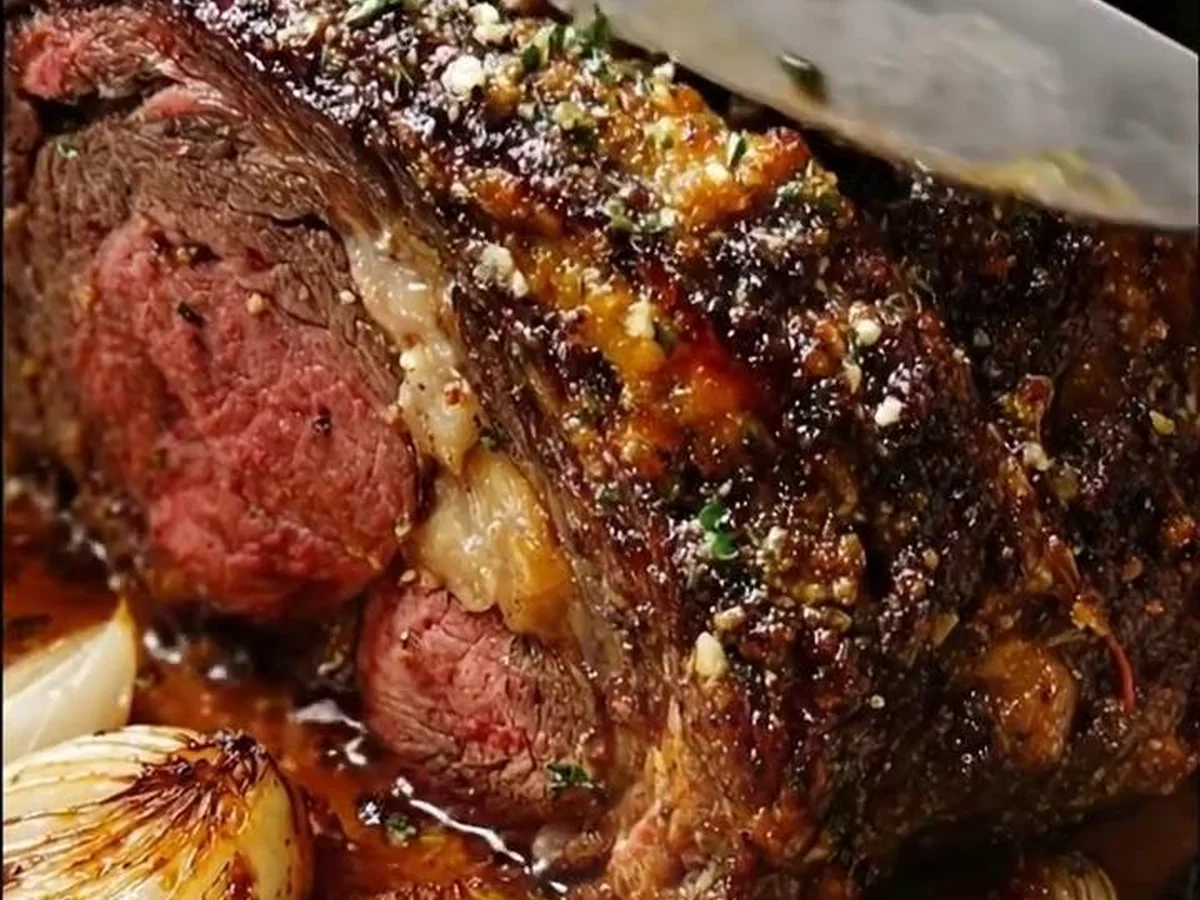
As the holiday season approaches, kitchens across the globe transform into festive arenas, where the tantalizing aroma of succulent meats and fragrant spices fill the air. Among the array of holiday treats, few dishes evoke the warmth and joy of a family gathering like a perfectly roasted prime rib. This crown jewel of the holiday table, with its impressive size and rich flavors, commands attention and admiration. There’s something magical about a beautifully cooked prime rib, where the soft, buttery texture meets the vibrant herby notes, and the savory crust of garlic, rosemary, and thyme draws every guest closer.
Christmas Prime Rib epitomizes comfort food in a luxurious dress. The moment you carve into its deep, rosy red center, a cascade of juices flows forth, engaging all senses and promising an unforgettable feast. Paired with traditional sides like creamy mashed potatoes or vibrant, roasted Brussels sprouts, prime rib becomes more than a meal; it’s an experience, a cherished memory made manifestation on the dining table. Get ready to learn not only how to cook this classic dish but also to delve into its history, flavor profile, and the joy it brings to the festive season.
The Origins and History
The prime rib roast has deep roots in culinary history, tracing back to Europe, where it was favored during festive feasts and celebrations. The cut comes from the back of the animal, specifically the rib section, which is renowned for its tenderness and rich flavor. Primarily celebrated in British and American cuisines, prime rib became a standout at extravagant gatherings due to its impressive presentation and the luxurious dining experience it offers. It is believed that the practice of roasting prime rib is linked to the medieval tradition of “roast beef,” a dish that was not only a culinary centerpiece but also a symbol of wealth and abundance.
Over the years, chefs across different cultures have put their spin on this classic dish, combining various herbs and spices reflective of their unique culinary heritages. The modern rendition has evolved into a festive meal often served at Christmas and special occasions, where families come together to celebrate love, warmth, and the joy of good food. The tradition is so popular that it has gained a devoted following, ensuring that every holiday table feels special with this treasured dish present.
Why You Will Absolutely Love This Recipe
- Flavor Profile: The combination of fresh herbs, garlic, and the rich marbling of prime rib creates a flavor explosion that is savory, fragrant, and utterly satisfying.
- Ease of Preparation: Despite its gourmet appeal, this recipe is surprisingly simple, making it accessible for cooks of all skill levels.
- Crowd-Pleaser: Prime rib is universally loved; it has the power to impress even the pickiest eaters during family gatherings.
- Delicious Leftovers: The benefits don’t end at the table; leftover prime rib is a classic treat, perfect for sandwiches, stews, or quick weeknight meals.
Deep Dive into the Ingredients
When creating an exceptional Christmas Prime Rib, the ingredients you choose will significantly impact the final dish. Let’s explore the critical components:
- Bone-in Prime Rib (6 lb): The centerpiece of this recipe is, unsurprisingly, the prime rib itself. Opting for bone-in ensures a more flavorful roast, as the bones impart richness during cooking. Look for good marbling, which translates into juiciness and enhanced taste.
- Butter (½ cup, softened): Butter serves as the base for the herb-infused mixture that you’ll be slathering onto the meat. The richness of butter contrasts beautifully with the hearty beef, while also helping create a splendid crust.
- Fresh Rosemary, Thyme, and Parsley (2 tablespoons each, minced): Fresh herbs elevate the dish both in taste and aroma. Rosemary adds an earthy pine flavor, thyme brings a slight peppery angle, while parsley adds vibrancy and freshness to the herb blend. The combination adds depth and dimension to the final flavor profile.
- Garlic (4 cloves, minced): Garlic’s pungent, savory character makes for an irresistible addition. Its unique flavor mellows out during roasting, creating a beautifully aromatic and tasty layer alongside the herbs.
- Kosher Salt (2 teaspoons): Essential in seasoning the beef, kosher salt helps enhance the natural flavors, ensuring an unforgettable taste in every bite.
Substitutions can also be made: for prime rib, consider a standing rib roast or even a different cut like ribeye if you have less time or a smaller group. If fresh herbs aren’t available, dried herbs can work in a pinch but use them sparingly—dried spices are typically more potent than fresh.
Pro Tips for Perfect Results
While making a prime rib might seem daunting, there are several handy tips that will ensure you achieve perfect results:
- Bring to Room Temperature: Before you start cooking, take the roast out of the refrigerator for at least an hour. Cooking cold meat can lead to uneven doneness.
- Season Generously: Don’t skimp on seasoning the meat. Rub the herb and butter mixture thoroughly over the entire prime rib, including the crevices and the ends to ensure every bite is flavorful.
- Searing: For the best crust, sear the prime rib in a hot skillet on the stovetop for a few minutes before placing it in the oven. This caramelizes the outside, creating that desired contrast of textures.
- Resting the Meat: Once cooked, allow the roast to rest before slicing. Resting permits the juices to redistribute, resulting in a juicier and more tender prime rib.
Serving and Pairing Suggestions
This festive dish deserves the best accompaniments. Pair your Christmas Prime Rib with classic sides such as:
- Roasted Garlic Mashed Potatoes
- Honey-Glazed Carrots
- Roasted Brussels Sprouts with Bacon
For the perfect drink pairing, consider a robust red wine, such as a Cabernet Sauvignon or a bold Merlot, which complements the rich flavors beautifully. This dish is perfect for special occasions, family gatherings, or holiday parties, where sharing both food and warm connections elevates the experience.
Storage, Freezing, and Reheating
If you’re lucky enough to have leftovers, proper storage is key to keeping the prime rib fresh and flavorful. Wrap any leftover slices tightly in plastic wrap or aluminum foil to prevent drying out. Store them in the refrigerator for up to 3 days. For longer storage, consider freezing the meat. Make sure to slice it beforehand and place it in airtight containers or freezer bags, where it can last for up to 3 months.
Reheating is an art form—do it gently to prevent the meat from becoming tough. Use a low oven (around 250°F) and cover it with foil until it’s warmed through. Alternatively, you can gently sauté the slices on the stovetop with a little broth for moisture.
Frequently Asked Questions (FAQ)
1. How long should I cook prime rib for perfect doneness?
Cooking time varies based on your preferred level of doneness. Use a meat thermometer to check internal temperatures: 120°F for rare, 130°F for medium-rare, and 140°F for medium. A general rule of thumb is to roast it for about 15-20 minutes per pound at 325°F.
2. Can I make this recipe ahead of time?
Absolutely! You can prepare the herb butter a day in advance and rub it on the meat before refrigerating. Roast the meat the day of serving for freshness.
3. What should I do if I don’t have fresh herbs?
Dried herbs can serve as a substitute, but use them sparingly. Generally, fresh herbs are preferred for their vibrant flavors, but if you must use dried, a ratio of one-third works well.
4. How do I know when my prime rib is done?
The best way to ensure perfect doneness is to use a meat thermometer. For a tender, juicy prime rib, aim for 130°F for medium-rare; this will rise a couple of degrees while resting. Always let the meat rest before slicing.
Conclusion
Cooking a Christmas Prime Rib is an act of love that transcends the mere act of feeding family and friends. Each bite is filled with warmth, tradition, and an infusion of holiday spirit, ensuring that this dish holds a special place in everyone’s heart. Prepare to impress your loved ones with this exquisite centerpiece that embodies both festive flair and mouthwatering flavor!
Simple Recipe Version
Christmas Prime Rib Ingredients: – 6 lb bone-in prime rib – ½ cup softened butter – 2 tablespoons fresh rosemary, minced – 2 tablespoons fresh thyme, minced – 2 tablespoons fresh parsley, minced – 4 cloves garlic, minced – 2 teaspoons kosher salt – 1 teaspoon black pepper – 1 teaspoon garlic powder – 1 teaspoon onion powder – 2 cups beef broth (for roasting) Instructions: 1. Preheat your oven to 450°F (230°C). 2. In a small bowl, combine the softened butter, minced herbs (rosemary, thyme, parsley), minced garlic, kosher salt, black pepper, garlic powder, and onion powder to create a herb butter mixture. 3. Pat the prime rib dry with paper towels to ensure a good sear. Place the prime rib on a roasting rack set in a roasting pan, bone-side down. 4. Rub the entire surface of the prime rib with the herb butter mixture, ensuring it is well-coated. 5. Pour the beef broth into the roasting pan to provide moisture during cooking. 6. Place the roasting pan in the preheated oven and roast at 450°F (230°C) for 20 minutes to develop a nice crust. 7. After 20 minutes, reduce the oven temperature to 325°F (165°C) and continue roasting for approximately 1 hour and 15 minutes, or until the internal temperature reaches 130°F (54°C) for medium-rare. Use a meat thermometer to check the temperature. 8. Once done, remove the prime rib from the oven and tent it loosely with aluminum foil. Allow it to rest for at least 20-30 minutes before carving to let the juices redistribute. 9. After resting, slice the prime rib against the grain into thick slices and serve with your choice of sides and au jus made from the drippings in the roasting pan. Time & Calories: – Total Time: Approximately 2 hours 30 minutes (including resting time) – Calories per serving: Approximately 400-500 calories (depending on portion size)
Christmas Prime Rib
INGREDIENTS
- 6 lb bone-in prime rib
- ½ cup softened butter
- 2 tablespoons fresh rosemary, minced
- 2 tablespoons fresh thyme, minced
- 2 tablespoons fresh parsley, minced
- 4 cloves garlic, minced
- 2 teaspoons kosher salt
INSTRUCTIONS
Preheat your oven to 450°F (230°C).
In a small bowl, combine the softened butter, minced herbs (rosemary, thyme, parsley), minced garlic, kosher salt, black pepper, garlic powder, and onion powder to create a herb butter mixture.
Pat the prime rib dry with paper towels to ensure a good sear. Place the prime rib on a roasting rack set in a roasting pan, bone-side down.
Rub the entire surface of the prime rib with the herb butter mixture, ensuring it is well-coated.
Pour the beef broth into the roasting pan to provide moisture during cooking.
Place the roasting pan in the preheated oven and roast at 450°F (230°C) for 20 minutes to develop a nice crust.
After 20 minutes, reduce the oven temperature to 325°F (165°C) and continue roasting for approximately 1 hour and 15 minutes, or until the internal temperature reaches 130°F (54°C) for medium-rare. Use a meat thermometer to check the temperature.
Once done, remove the prime rib from the oven and tent it loosely with aluminum foil. Allow it to rest for at least 20-30 minutes before carving to let the juices redistribute.
After resting, slice the prime rib against the grain into thick slices and serve with your choice of sides and au jus made from the drippings in the roasting pan.
Time & Calories:
Total Time: Approximately 2 hours 30 minutes (including resting time)
Calories per serving: Approximately 400-500 calories (depending on portion size)
NOTES
Enjoy your delicious homemade Christmas Prime Rib !