Introduction
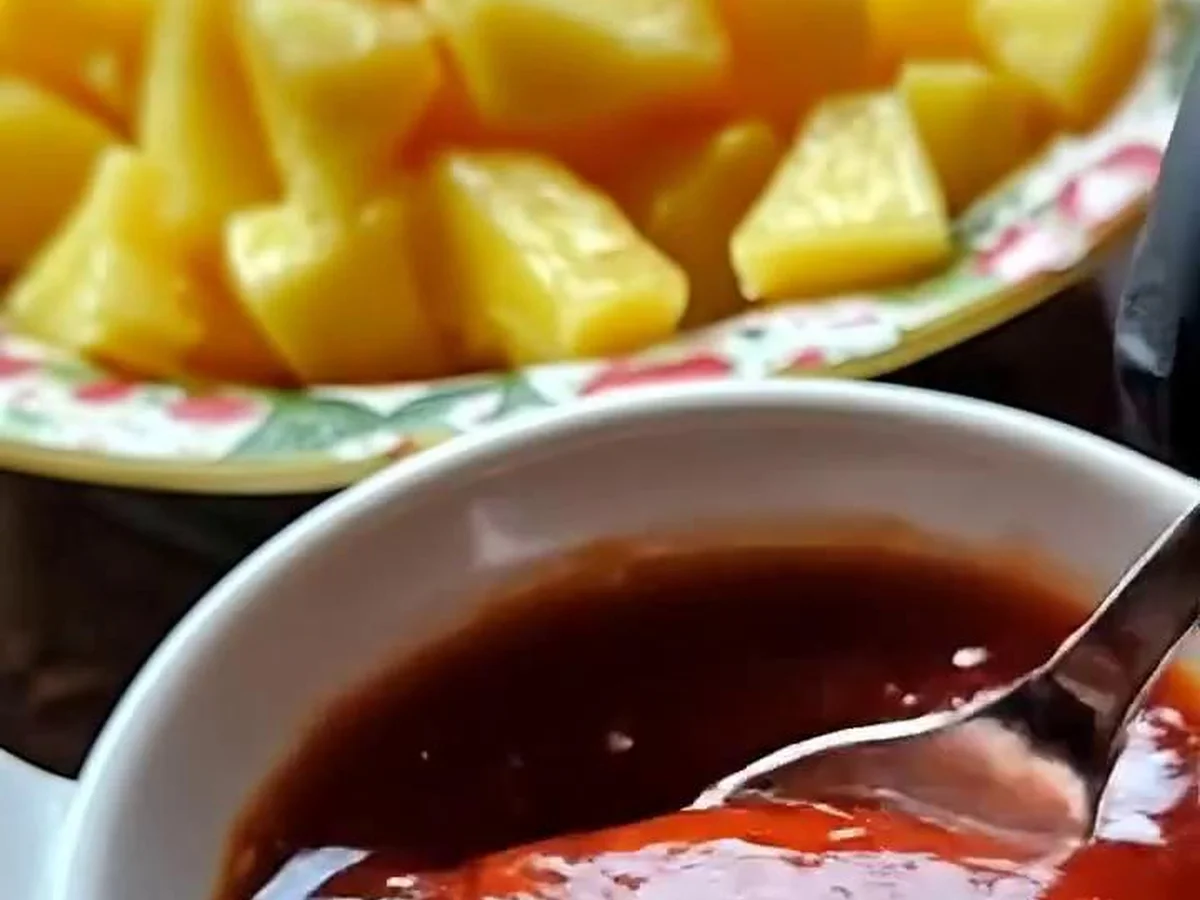
There’s something undeniably comforting about the combination of sweet and sour flavors that characterizes Sweet and Sour Chinese Sauce. Whether drizzling it over crispy chicken, tossing it with stir-fried vegetables, or serving it as a dipping sauce for spring rolls, its vibrant taste and glossy texture appeal to the senses and evoke feelings of nostalgia. As you immerse yourself in the fragrant aroma of vinegar mingling with sugar and ketchup, it’s no wonder this sauce has secured a beloved spot in kitchens around the globe. The balance of sweetness and tang is not just pleasing on the palate; it invites a kaleidoscope of textures and tastes that can revive even the simplest of dishes. From the moment you catch a whiff, you may find yourself transported to a bustling Chinese eatery, with the clatter of chopsticks and the laughter of family and friends echoing around you.
The Origins and History
Sweet and Sour sauces are a staple in Chinese cuisine, deeply rooted in the culinary heritage of the country. While it is difficult to pinpoint an exact origin, it is widely recognized that this flavor combination has transcended cultural barriers, finding its way into various adaptations around the world. The marriage of sweet and tangy is a beautiful representation of yin and yang, where balance is key—particularly in Eastern cooking philosophies. Historical records trace the use of similar flavor profiles back to regions in China and beyond, often linking them to seasonal festivities and family gatherings. Over the years, the dish has evolved into various interpretations, from the classic Cantonese sweet and sour pork to its ubiquitous presence in take-out restaurants many know today. This sauce exemplifies the essence of fusion cuisine—a perfect harmony of flavors that continuously evolves through generations.
Why You Will Absolutely Love This Recipe
- Flavor Profile: The heavenly combination of sweetness and acidity creates a vibrant and tantalizing taste explosion that elevates any dish.
- Ease of Preparation: This recipe requires minimal ingredients and uncomplicated steps, making it beginner-friendly while also satisfying experienced cooks.
- Crowd-Pleaser: Whether for a family dinner or a party, this sauce adapts easily to all palates—little ones and adults alike will rave about it!
- Leftovers Galore: Not only is it delicious fresh, but the flavors deepen and get even better as it sits, which offers an added bonus for meal prep.
- Versatility: It can be paired with a myriad of dishes—grilled meats, roasted vegetables, and even as a tangy dipping sauce!
Deep Dive into the Ingredients
Each ingredient in Sweet and Sour Chinese Sauce plays a crucial role in achieving the perfect balance of flavor, texture, and thickness:
- White Vinegar: This ingredient provides the base acidity, critical for achieving that signature tanginess. It operates at a neutral pH, ensuring the sauce doesn’t overwhelm the other flavors.
- Sugar: While it adds sweetness, it’s also crucial for balancing the acidity of the vinegar. You can substitute white sugar with alternatives like brown sugar for a more complex flavor or even agave syrup if you’re seeking a healthier option.
- Ketchup: Often considered the quintessential component, it contributes both sweetness and body. The tomato base coats the sauce and gives it that beautiful crimson hue. While tomato ketchup is a classic choice, experimenting with other sauces like mango or chili sauce lends unique flavor profiles.
- Soy Sauce: Introducing umami, this condiment not only enhances the overall flavor but adds that touch of saltiness necessary for depth. You can opt for low-sodium soy sauce to control salt intake.
- Cornstarch: Essential for thickening the sauce without cloudiness, cornstarch efficiently creates a silky texture. For a gluten-free alternative, you can replace it with arrowroot starch.
- Water: It balances the sauce consistency, allowing for a fluid mixture that clings to your dishes beautifully. You can adjust the amount based on your desired thickness.
- Garlic Powder and Onion Powder: These spices bring aromatic depth and complexity to the sauce. Fresh counterparts can be used for a more pronounced flavor, enhancing the sauce’s allure.
Pro Tips for Perfect Results
To create an exceptional Sweet and Sour sauce that will excite your palate, consider these pro tips:
- Balancing Flavors: Always taste as you go! You may find that personal preferences vary—adjust sweetness with sugar or acidity with vinegar according to your taste.
- Thickness Control: After combining your ingredients, allow the mixture to simmer gently. A quick tip is to mix cornstarch with cold water first, creating a slurry before adding it to the sauce; this prevents lumping and allows for a smoother texture.
- Cooking Techniques: If using the sauce with stir-fried dishes, add it towards the end of cooking to maintain the freshness of flavors. A brief simmer allows the sauce to meld without losing essential taste.
- Experimenting: Don’t hesitate to try out different spices—add ginger, a splash of sesame oil, or chopped scallions for unique twists!
- Presentation: Elevate your dish by serving it in vibrant bowls or drizzling it over your creations artistically; visual appeal plays a crucial role in the dining experience.
Serving and Pairing Suggestions
Sweet and Sour Chinese Sauce is versatile and can accompany a multitude of dishes. Serve it alongside crispy breaded chicken or pork, tossed with fresh stir-fried vegetables, or drizzled over fried rice. Perfect for family gatherings, it can be enjoyed at casual summer barbecues or more formal dinner parties. Pair it with a chilled Riesling or a light, zesty beer to enhance your dining experience—both can complement the sauce remarkably well.
Storage, Freezing, and Reheating
To store your homemade Sweet and Sour Sauce, place it in an airtight container and refrigerate for up to two weeks. For extended shelf life, consider freezing it in ice cube trays—frozen portions are perfect for quick meals later on. To reheat, defrost in the refrigerator overnight, and gently warm it over low heat in a saucepan, stirring occasionally until evenly heated through.
Frequently Asked Questions (FAQ)
- Can I make sweet and sour sauce ahead of time? Absolutely! This sauce develops complexity and flavor if allowed to sit for a few hours, making it perfect for meal prep.
- What can I use this sauce with? It pairs beautifully with fried or baked proteins like chicken, pork, or tofu, as well as vegetables and rice.
- Can I adjust the sweetness level? Yes, feel free to modify the sugar according to your taste preference for sweetness or acidity.
- Can I use fresh garlic and onion instead of powder? Definitely! Fresh ingredients can elevate flavor, but remember to sauté them beforehand to soften their sharpness.
- What type of vinegar works best? While white vinegar is traditional, you can also experiment with rice vinegar for a slightly sweeter and gentler flavor.
Conclusion
Sweet and Sour Chinese Sauce is more than just a culinary delight—it’s a versatile staple that can transform your cooking. Whether you whip it up for a family dinner or use it in your meal prep routine, this sauce is destined to be a hit in your kitchen.
Simple Recipe Version
Sweet and Sour Chinese Sauce Ingredients: – 1/2 cup white vinegar – 1/2 cup sugar – 1/4 cup ketchup – 1 tablespoon soy sauce – 1 tablespoon cornstarch – 1/4 cup water – 1/4 teaspoon garlic powder – 1/4 teaspoon onion powder – Optional: a pinch of red pepper flakes for heat Instructions: 1. In a medium saucepan, combine the white vinegar, sugar, and ketchup. Stir well to mix all the ingredients together. 2. Place the saucepan over medium heat and continuously stir until the sugar is completely dissolved. 3. In a small bowl, mix the cornstarch and water together until smooth. This will be used to thicken the sauce. 4. Once the mixture in the saucepan starts to boil, add the soy sauce, garlic powder, onion powder, and the cornstarch mixture. 5. Continue to stir the sauce as it cooks. Keep it on the heat for about 2-3 minutes, or until the sauce has thickened to your desired consistency. 6. If you like a little heat, you can add a pinch of red pepper flakes at this stage. Stir to combine. 7. Remove the saucepan from heat and allow the sauce to cool slightly. It will thicken a bit more as it cools. 8. Transfer the sweet and sour sauce to an airtight container or jar for storage. It can be served warm or stored in the refrigerator for up to a week. Time & Calories – Total time: 10 minutes – Servings: Approximately 1 cup of sauce – Calories: About 25 calories per tablespoon (based on total recipe)
Sweet and Sour Chinese Sauce
INGREDIENTS
- 1/2 cup white vinegar
- 1/2 cup sugar
- 1/4 cup ketchup
- 1 tablespoon soy sauce
- 1 tablespoon cornstarch
- 1/4 cup water
- 1/4 teaspoon garlic powder
- 1/4 teaspoon onion powder
INSTRUCTIONS
In a medium saucepan, combine the white vinegar, sugar, and ketchup. Stir well to mix all the ingredients together.
Place the saucepan over medium heat and continuously stir until the sugar is completely dissolved.
In a small bowl, mix the cornstarch and water together until smooth. This will be used to thicken the sauce.
Once the mixture in the saucepan starts to boil, add the soy sauce, garlic powder, onion powder, and the cornstarch mixture.
Continue to stir the sauce as it cooks. Keep it on the heat for about 2-3 minutes, or until the sauce has thickened to your desired consistency.
If you like a little heat, you can add a pinch of red pepper flakes at this stage. Stir to combine.
Remove the saucepan from heat and allow the sauce to cool slightly. It will thicken a bit more as it cools.
Transfer the sweet and sour sauce to an airtight container or jar for storage. It can be served warm or stored in the refrigerator for up to a week.
Time & Calories
Total time: 10 minutes
Servings: Approximately 1 cup of sauce
Calories: About 25 calories per tablespoon (based on total recipe)
NOTES
Enjoy your delicious homemade Sweet and Sour Chinese Sauce !