Introduction
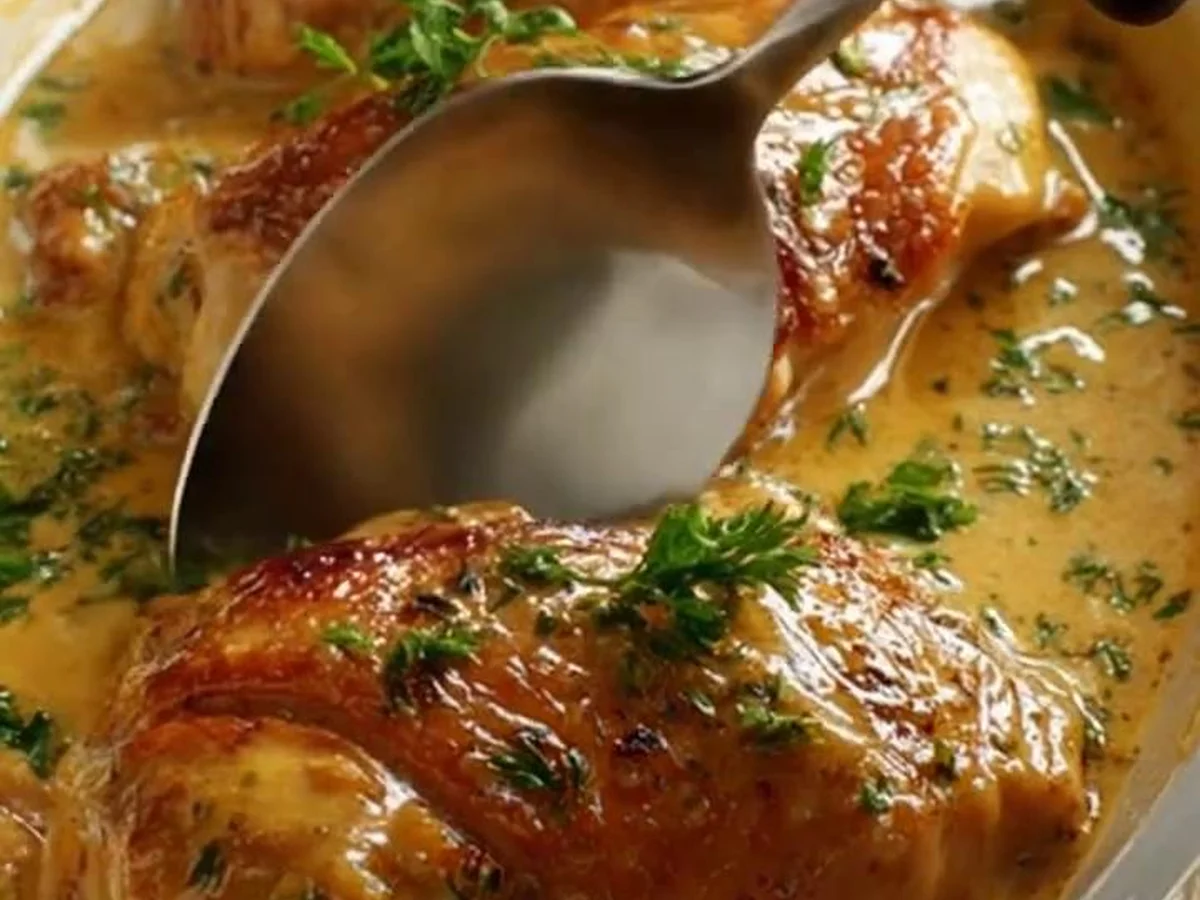
When it comes to comfort food that offers both warmth and excitement in every bite, few dishes rival the charm of Mustard Chicken. With its succulent chicken thighs enveloped in a rich, tangy mustard sauce, this dish tantalizes not just the palate but also the senses. Picture this: as the chicken sizzles in the pan, the savory aroma of garlic and onion mingles with the sharp, luscious scent of Dijon mustard wafting through the kitchen, setting the stage for an unforgettable culinary experience. The first bite reveals a tender piece of chicken coated in a silky sauce that balances the piquancy of mustard with a hint of sweetness from honey, creating a flavor profile that dances between savory and sweet.
Mustard Chicken is more than just a meal; it is a canvas for creativity, allowing variations that suit every taste. Whether served alongside buttery mashed potatoes, colorful sautéed vegetables, or a simple green salad, this dish consistently leaves diners coming back for more. It embodies everything we love about home-cooked meals: hearty yet straightforward, comforting yet sophisticated enough for entertaining guests. Let’s dive deeper into the origins, components, and techniques behind this beloved dish that promises to become a staple in your kitchen.
The Origins and History
The history of mustard as a staple in cooking goes back thousands of years, with its origins tracing back to ancient civilizations around the Mediterranean region. Initially used for medicinal purposes, mustard seeds were later ground to form the condiment we recognize today. It has traveled through time and culture, shaping countless dishes—each variation influenced by regional tastes and culinary traditions.
Specifically, the concept of mustard chicken likely merges the contemporary fondness for bold flavors with traditional methods of preparing poultry. As French cuisine flourished, Dijon mustard—a smooth, sharp ingredient—became a hallmark in many classic dishes. This dish represents a delightful convergence of flavors; the creamy richness of a French-inspired sauce meets the heartiness of American comfort food. The result? A dish that resonates with people across the globe, showcasing how food can bridge culinary divides and tell a story of cultural interplay.
Why You Will Absolutely Love This Recipe
- Flavor Profile: The combination of Dijon mustard, honey, garlic, and onion creates a perfectly balanced sauce that is tangy, sweet, and savory all at once.
- Ease of Preparation: With just a few simple ingredients and straightforward cooking techniques, this recipe can be on the table in under 30 minutes, making it perfect for weeknight dinners.
- Crowd-Pleaser: Its rich flavors appeal to both adults and children, making it a great choice for family gatherings or dinner parties.
- Leftovers: This dish reheats beautifully, allowing for a quick and satisfying lunch the next day—or make-ahead meals that do not sacrifice taste.
Deep Dive into the Ingredients
Understanding the role each ingredient plays in this recipe not only enhances your culinary knowledge but also empowers you to make thoughtful substitutions or swaps when necessary. Let’s explore the core ingredients:
- Boneless Chicken Thighs: Chicken thighs are chosen for their superior juiciness and flavor compared to breasts. The fat content contributes to a moist texture that holds up well in the mustard sauce. If you prefer other cuts, boneless chicken breasts can be used, but they may require careful cooking to avoid dryness.
- Onion: A finely chopped small onion adds sweetness and depth to the dish. Opting for yellow onions provides the best balance, but shallots can also lend a milder, more nuanced flavor.
- Garlic: Fresh garlic transforms the sauce by infusing it with aromatic heat. Freshly minced garlic is recommended for the best flavor; however, pre-minced varieties can work in a pinch, although they may lack freshness.
- Dijon Mustard: Dijon mustard is the star ingredient, offering a sharpness and smooth texture that melds beautifully with the other flavors. For a twist, you can explore different mustard varieties—spicy brown mustard or honey mustard can add a unique touch.
- Honey: Honey provides not only sweetness to balance the mustard’s tang but also contributes a unique floral note. Maple syrup or agave can serve as substitutes if you’re looking for alternatives.
- Olive Oil: Used for searing the chicken, olive oil adds flavor and helps in creating a beautiful crust. You may replace it with vegetable oil or butter, noting that the latter will introduce a richer taste.
- Chicken Broth: The broth acts as the base for the sauce, bringing moisture and flavor. Homemade broth is ideal, but store-bought is convenient and effective. Ensure you select a low-sodium option to maintain control over the dish’s saltiness.
- Salt and Pepper: Essential for seasoning, salt enhances flavors while pepper adds a subtle kick. Always season to taste; adjusting during cooking can significantly affect the final product.
- Fresh Parsley: A touch of freshness and color, chopped parsley adds brightness as a garnish, elevating the dish visually and flavor-wise. Other herbs like thyme or chives can offer delightful variations.
Pro Tips for Perfect Results
While this dish may seem straightforward, a few techniques can elevate it from good to exceptional:
- Searing the Chicken: Start by searing the chicken thighs over medium-high heat until they develop a golden crust. This not only enhances flavor through the Maillard reaction but also locks in the juices for a tender bite.
- Building Flavors: Sauté the onions and garlic until translucent before adding the mustard and honey. This technique allows the aromatics to release their flavors, resulting in a richer sauce.
- Deglazing: After the chicken is cooked, consider deglazing the pan with a splash of chicken broth to lift any browned bits stuck to the bottom. This adds complexity to your sauce.
- Simmering: Allow the sauce to simmer gently to let the flavors meld together. A rapid boil could cause the sauce to separate or become excessively thick.
Serving and Pairing Suggestions
Mustard Chicken shines as the star of the plate, and it pairs beautifully with a variety of side dishes. Consider serving it alongside fluffy mashed potatoes, fragrant rice, or roasted seasonal vegetables for a colorful, nutritious meal. A crisp green salad drizzled with a simple vinaigrette can provide a refreshing contrast.
When it comes to drinks, a light-bodied white wine such as Sauvignon Blanc or a crisp Pinot Noir works wonderfully. Alternatively, serve it with a sparkling water infused with lemon or herbs for a refreshing non-alcoholic option. This dish is ideal for intimate family dinners and special occasions alike, making it versatile for any gathering.
Storage, Freezing, and Reheating
If you have leftovers, store them in an airtight container in the refrigerator for up to three days. For longer storage, consider freezing portions. Allow the chicken to cool completely before placing it in a freezer-safe bag or container. It can be frozen for up to three months. To reheat, thaw overnight in the refrigerator and gently warm in a skillet or microwave, adding a splash of chicken broth to keep it moist.
Frequently Asked Questions (FAQ)
- Can I use chicken breasts instead of thighs? Yes, chicken breasts can be used, but they may require careful attention to prevent dryness. Thighs are generally more forgiving due to their higher fat content.
- Is it possible to make this recipe gluten-free? Absolutely! Make sure to use gluten-free chicken broth and verify that the mustard brand is gluten-free, as some may contain gluten.
- What sides do you recommend? Mashed potatoes, steamed vegetables, or rice are excellent sides that complement the mustard sauce. A green salad adds a fresh contrast.
- How spicy is the dish? The heat primarily comes from the Dijon mustard, which can vary in spiciness. If you prefer a milder dish, consider using a less spicy mustard or adjusting the amount to your taste.
Conclusion
Mustard Chicken is a delightful dish that combines simplicity with robust flavors, promising satisfaction with every bite. Its ease of preparation and ability to impress makes it a must-try in any home cook’s repertoire.
Simple Recipe Version
Mustard Chicken Ingredients: – 4 boneless chicken thighs – 1 small onion, finely chopped – 2 garlic cloves, minced – 3 tablespoons Dijon mustard – 1 tablespoon honey – 2 tablespoons olive oil – 1 cup chicken broth – Salt and pepper to taste – Fresh parsley, chopped (for garnish) Instructions: 1. Begin by seasoning the chicken thighs with salt and pepper on both sides. 2. Heat the olive oil in a large skillet over medium heat. Once hot, add the chicken thighs and sear them for about 5-7 minutes on each side, until they are golden brown. Remove the chicken from the skillet and set aside. 3. In the same skillet, add the chopped onion and minced garlic. Sauté for about 3-4 minutes, until the onion is translucent and fragrant. 4. Stir in the Dijon mustard and honey, mixing well with the onions and garlic. 5. Add the chicken broth to the skillet, scraping up any browned bits from the bottom of the pan. Bring the mixture to a gentle boil. 6. Return the seared chicken thighs to the skillet, making sure they are covered with the mustard sauce. 7. Reduce the heat to low, cover the skillet, and let it simmer for about 20-25 minutes, or until the chicken is cooked through and tender. 8. Once cooked, adjust the seasoning with salt and pepper, if needed. 9. Garnish with fresh chopped parsley before serving. Time & Calories: – Total Time: 40 minutes – Calories per serving: Approximately 320 calories per serving (serves 4)
Mustard Chicken
INGREDIENTS
- 4 boneless chicken thighs
- 1 small onion, finely chopped
- 2 garlic cloves, minced
- 3 tablespoons Dijon mustard
- 1 tablespoon honey
- 2 tablespoons olive oil
- 1 cup chicken broth
- Salt and pepper to taste
- Fresh parsley, chopped (for garnish)
INSTRUCTIONS
Begin by seasoning the chicken thighs with salt and pepper on both sides.
Heat the olive oil in a large skillet over medium heat. Once hot, add the chicken thighs and sear them for about 5-7 minutes on each side, until they are golden brown. Remove the chicken from the skillet and set aside.
In the same skillet, add the chopped onion and minced garlic. Sauté for about 3-4 minutes, until the onion is translucent and fragrant.
Stir in the Dijon mustard and honey, mixing well with the onions and garlic.
Add the chicken broth to the skillet, scraping up any browned bits from the bottom of the pan. Bring the mixture to a gentle boil.
Return the seared chicken thighs to the skillet, making sure they are covered with the mustard sauce.
Reduce the heat to low, cover the skillet, and let it simmer for about 20-25 minutes, or until the chicken is cooked through and tender.
Once cooked, adjust the seasoning with salt and pepper, if needed.
Garnish with fresh chopped parsley before serving.
Time & Calories:
Total Time: 40 minutes
Calories per serving: Approximately 320 calories per serving (serves 4)
NOTES
Enjoy your delicious homemade Mustard Chicken !