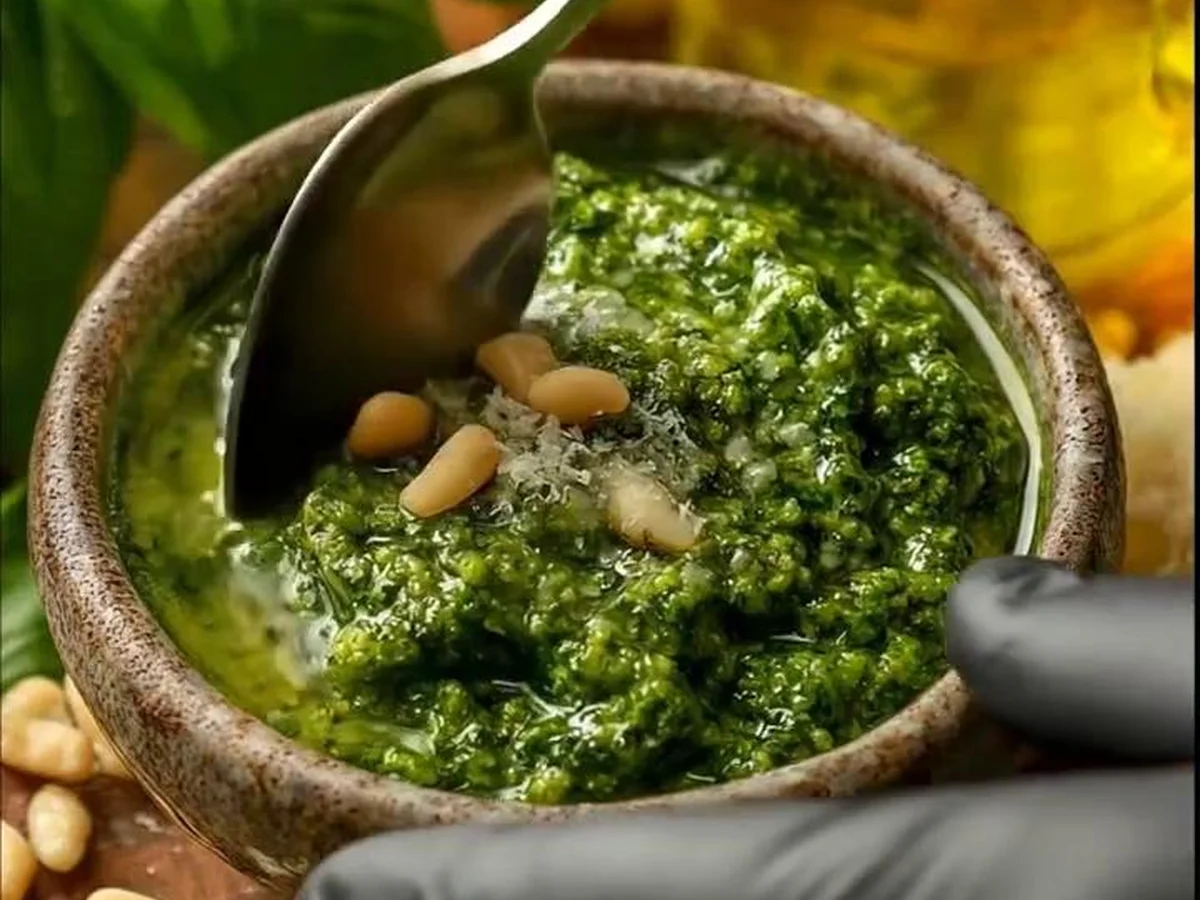
Pesto sauce is a vibrant and flavorful staple that captures the essence of Italian cuisine, breathing life into various dishes. With its fragrant blend of fresh basil, aromatic garlic, crisp nuts, and rich parmesan, this green elixir is the epitome of culinary comfort. As you swirl it into pasta or slather it on a sandwich, the heady notes of garlic and the nutty undertones play a tantalizing symphony in your mouth. Every bite is a delightful adventure, making it hard to believe that someone originally had to create this magical mix of flavors. Versatile yet deeply satisfying, the allure of pesto transcends seasonal boundaries, leaving you yearning for more, whether in the peak of summer or the chill of winter. Its vibrant green color, reminiscent of sunlit fields, catches the eye and promises a burst of fresh flavor that can uplift even the dullest of meals.
The Origins and History
Pesto has its roots firmly planted in the Italian region of Liguria, with its capital city, Genoa, serving as its birthplace. The term “pesto” derives from the Italian word “pestare,” which translates to “to crush” or “to pound,” referring to the original method of preparing this sauce using a mortar and pestle. Historically, Ligurians have utilized local ingredients—excellent olive oil, garlic, pine nuts, and a variety of herbs—to create this delightful mixture. Over time, the preparation of pesto has evolved, yet the spirit of this ancient recipe remains intact. Initially enjoyed as a condiment with pasta, its versatility quickly caught on, leading to variations that incorporate sundried tomatoes, cheese, or different herbs, thereby making pesto a symbol of regional charm transformed into an international favorite.
Why You Will Absolutely Love This Recipe
- Flavor Profile: The balance of garlic’s pungency, the earthiness of nuts, the sweetness of basil, and the saltiness of cheese creates an irresistible medley that tantalizes the palate.
- Ease of Preparation: With minimal steps and basic ingredients, this recipe is not only simple but also quick, making it perfect for busy weeknight dinners.
- Crowd-Pleaser: Whether at a family gathering or a casual dinner with friends, homemade pesto is guaranteed to impress. Its fresh flavors appeal to a variety of taste buds.
- Leftovers: Pesto is a fantastic make-ahead sauce, ideal for batch cooking and can easily be transformed into multiple dishes throughout the week.
Deep Dive into the Ingredients
Understanding each component of pesto is key to elevating your dish, and each ingredient was carefully chosen for its distinct contribution.
- Garlic: The use of fresh garlic not only enhances flavor, it provides numerous health benefits including antioxidants and anti-inflammatory properties. It also aids in balancing the rich, nutty flavors within the pesto.
- Salt: It’s a basic seasoning, but the right amount of salt is vital as it amplifies the other flavors, creating a cohesive taste profile.
- Pine Nuts: Traditionally, pine nuts are used for their buttery richness and slight sweetness; these are essential for achieving that classic pesto taste. However, they can be substituted with walnuts for a more robust flavor or almonds for a nuttier twist. Each variation provides a slightly different taste experience.
- Basil Leaves: The star of the show, fresh basil is responsible for the vibrant green color and the aromatic scent of the sauce. Always select the freshest basil possible—look for bright, shiny leaves without blemishes.
- Parmesan Cheese: Freshly grated parmesan adds umami depth and salty richness, while also helping the sauce to emulsify and coat pasta or other ingredients beautifully. Opting for a high-quality cheese can dramatically enhance your final dish.
- Extra-Virgin Olive Oil: As the binding agent, high-quality extra-virgin olive oil not only contributes to the richness but also adds a smooth texture. The oil should have a fruity and peppery flavor to balance the other ingredients.
- Freshly Ground Black Pepper: This final touch is not just aesthetic; fresh black pepper brings a touch of warmth and spiciness that enhances the overall flavor profile.
Pro Tips for Perfect Results
Here are some essential techniques and tips to perfect your pesto, ensuring that every batch is as delicious as the last:
- Using Fresh Ingredients: Fresh herbs and cheese make a world of difference. Avoid using pre-grated cheese or old, wilted basil leaves.
- Controlling the Consistency: Depending on how you plan to use your pesto, you may want to adjust the olive oil content. For a thicker sauce, start with less oil and gradually add more until the desired consistency is achieved.
- Avoid Over-Pulsing: If using a food processor, pulse the ingredients instead of letting it run continuously. This prevents the basil from turning brown and ensures a fresh, vibrant color.
- Toast Nuts: Lightly toasting the nuts prior to adding them enhances their flavor and adds a lovely depth to your sauce.
- Acidic Balance: Adding a squeeze of lemon juice or a splash of vinegar can brighten the flavors while balancing the richness of the cheese and nuts.
Serving and Pairing Suggestions
Pesto sauce is phenomenally versatile and can be paired with a multitude of dishes:
- Pasta: Toss it with your favorite pasta shapes—linguine, penne, or farfalle—perfect for a quick and satisfying meal.
- Pizza: Use it as a base sauce in place of traditional tomato sauce, contributing a fresh twist to your pizza.
- Dip or Spread: Enjoy it as a dipping sauce for fresh veggies, crackers, or crusty bread, making for a perfect appetizer.
- Accompanying Dishes: Pair pesto with grilled chicken, fish, or roasted vegetables to enhance their flavors.
Storage, Freezing, and Reheating
Storing your homemade pesto properly can keep it fresh and flavorful for weeks. Here are some tips:
- Refrigeration: Store pesto in an airtight container; to maintain its vibrant color, pour a thin layer of olive oil on top of the sauce before sealing.
- Freezing: For longer storage, pesto can be frozen in ice cube trays. Once frozen, transfer to a zip-top bag for easy portioning.
- Reheating: When ready to use, thaw in the refrigerator overnight or place directly into a dish (like pasta) on low heat to warm through.
Frequently Asked Questions (FAQ)
Here are some common inquiries regarding pesto sauce preparation and storage:
- Can I make pesto without cheese? Absolutely! For a vegan version, you can omit cheese or substitute it with nutritional yeast for added flavor.
- How long does homemade pesto last? When stored properly in the fridge, it should stay fresh for up to a week. Frozen pesto can last up to 3 months.
- What dishes can I use pesto in besides pasta? Pesto works wonders as a marinade, spread, or drizzle over roasted vegetables and grilled meats.
- Can I use different herbs? Yes! While traditional pesto uses basil, feel free to experiment with parsley, cilantro, or arugula for different flavor profiles.
- What if my pesto is too bitter? This can happen if the basil is over-processed. Consider adding a pinch of sugar to balance the flavor or adjusting the olive oil.
Conclusion
Incorporating homemade pesto into your culinary repertoire can transform simple dishes into spectacular flavor experiences. With its aromatic allure and versatility, it’s a must-have sauce that everyone can master.
Simple Recipe Version
Pesto Sauce Ingredients: – 2 cloves of garlic, peeled – Salt to taste – ⅓ cup of pine nuts (can substitute with walnuts or almonds) – 2 cups fresh basil leaves, packed – ⅓ cup freshly grated Parmesan cheese – ½ cup extra-virgin olive oil – Freshly ground black pepper, to taste Instructions: 1. In a food processor, combine the garlic cloves and a pinch of salt. Pulse until the garlic is finely minced. 2. Add the pine nuts (or your chosen substitute) to the food processor and pulse until coarsely chopped. 3. Add the fresh basil leaves and Parmesan cheese to the mix. Process until the ingredients are finely chopped and combined. 4. While the food processor is running, slowly drizzle in the olive oil until the mixture is well blended and smooth. Scrape down the sides as needed. 5. Taste the pesto and adjust the seasoning with additional salt and freshly ground black pepper as desired. 6. If the pesto is too thick, you can add more olive oil a teaspoon at a time until your desired consistency is reached. 7. Transfer the pesto sauce to a bowl or an airtight container. It can be used immediately or stored in the refrigerator for up to a week. For longer storage, consider freezing it in ice cube trays. Time & Calories – Total Time: 15 minutes – Calories per serving (2 tablespoons): Approximately 120 calories (calories may vary based on specific ingredients used)
Pesto Sauce
INGREDIENTS
- 2 cloves of garlic, peeled
- Salt to taste
- ⅓ cup of pine nuts (can substitute with walnuts or almonds)
- 2 cups fresh basil leaves, packed
- ⅓ cup freshly grated Parmesan cheese
- ½ cup extra-virgin olive oil
- Freshly ground black pepper, to taste
INSTRUCTIONS
In a food processor, combine the garlic cloves and a pinch of salt. Pulse until the garlic is finely minced.
Add the pine nuts (or your chosen substitute) to the food processor and pulse until coarsely chopped.
Add the fresh basil leaves and Parmesan cheese to the mix. Process until the ingredients are finely chopped and combined.
While the food processor is running, slowly drizzle in the olive oil until the mixture is well blended and smooth. Scrape down the sides as needed.
Taste the pesto and adjust the seasoning with additional salt and freshly ground black pepper as desired.
If the pesto is too thick, you can add more olive oil a teaspoon at a time until your desired consistency is reached.
Transfer the pesto sauce to a bowl or an airtight container. It can be used immediately or stored in the refrigerator for up to a week. For longer storage, consider freezing it in ice cube trays.
Time & Calories
Total Time: 15 minutes
Calories per serving (2 tablespoons): Approximately 120 calories (calories may vary based on specific ingredients used)
NOTES
Enjoy your delicious homemade Pesto Sauce !